
Diseases
Bright yellow fruits and vegetables aren’t just vibrant—they’re packed with immune-boosting vitamins, antioxidants, and anti-inflammatory compounds. These seven nutrient powerhouses help fight seasonal illnesses, reduce inflammation, and support long-term health while adding color to your plate.
Golden Turmeric Root for Anti-Inflammatory Benefits
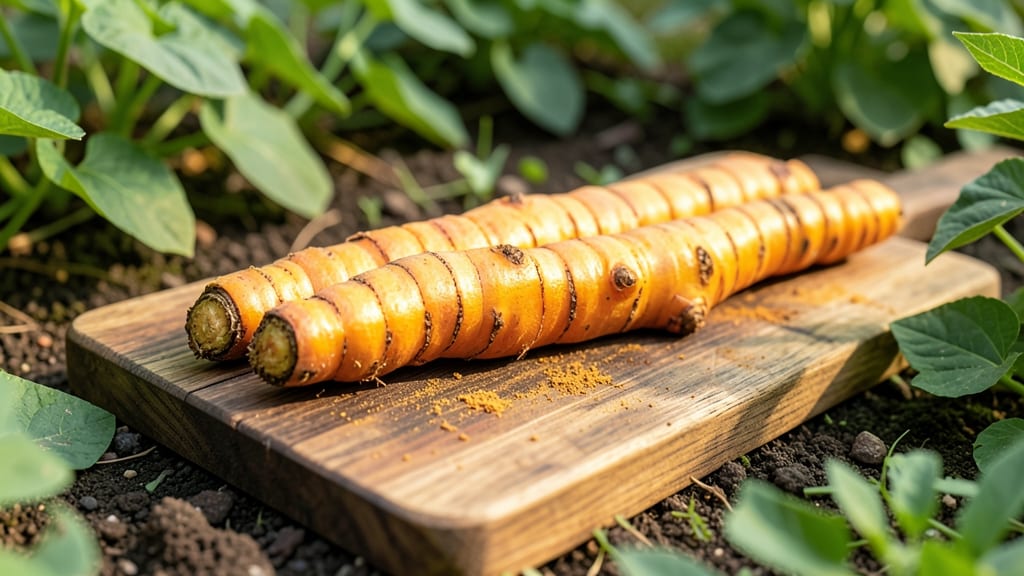
Looking for a garden crop that does double duty—boosting your health and your harvest? Golden turmeric root is your secret weapon, packed with curcumin, a compound that fights inflammation and supports joint mobility. This vibrant rhizome thrives in warm climates and adds a golden hue to your garden while working to reduce oxidative stress.
Plant turmeric in well-draining soil with 6-8 hours of sun daily, keeping the soil consistently moist but not soggy. Harvest the rhizomes after 8-10 months when the leaves yellow and die back. For maximum potency, store dried roots in a cool, dark place—perfect for teas, smoothies, or culinary dishes.
Active gardeners, athletes, or anyone managing joint health will love this easy-to-grow, high-reward crop. Plus, its striking golden color makes it a standout in any garden bed. 🌻
Sweet Corn for Fiber and Vitamin C
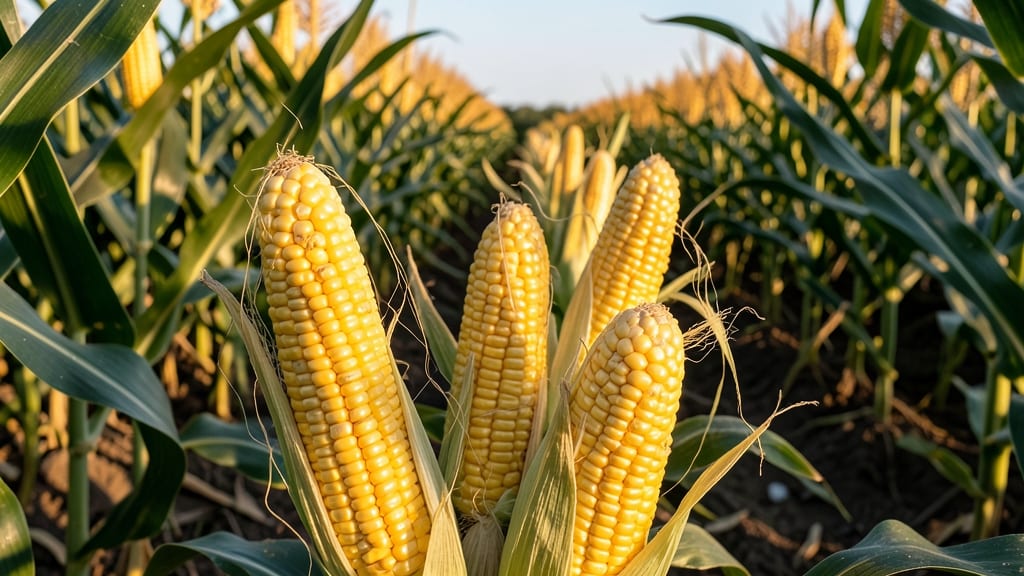
Looking for a yellow veggie that’s as easy to grow as it is nutritious? Sweet corn delivers a double dose of benefits—packed with fiber for gut health and vitamin C to boost immunity, all while adding a classic golden hue to your harvest.
This versatile crop thrives in warm climates with 6-8 hours of sun daily, making it ideal for summer gardens. Opt for bicolor varieties like 'Peaches and Cream' for sweetness and visual appeal, or super-sweet hybrids like 'Ambrosia' for maximum flavor. Plant seeds 1 inch deep and 12 inches apart in well-drained soil, and watch for silks emerging—this signals pollination is underway!
Perfect for beginner gardeners or families, sweet corn requires minimal fuss but rewards you with year-round storage potential when frozen or canned. Grow it as a companion plant with beans or squash to maximize space and nutrients in your plot. 🌱
Lemon for Vitamin C and Immune Support
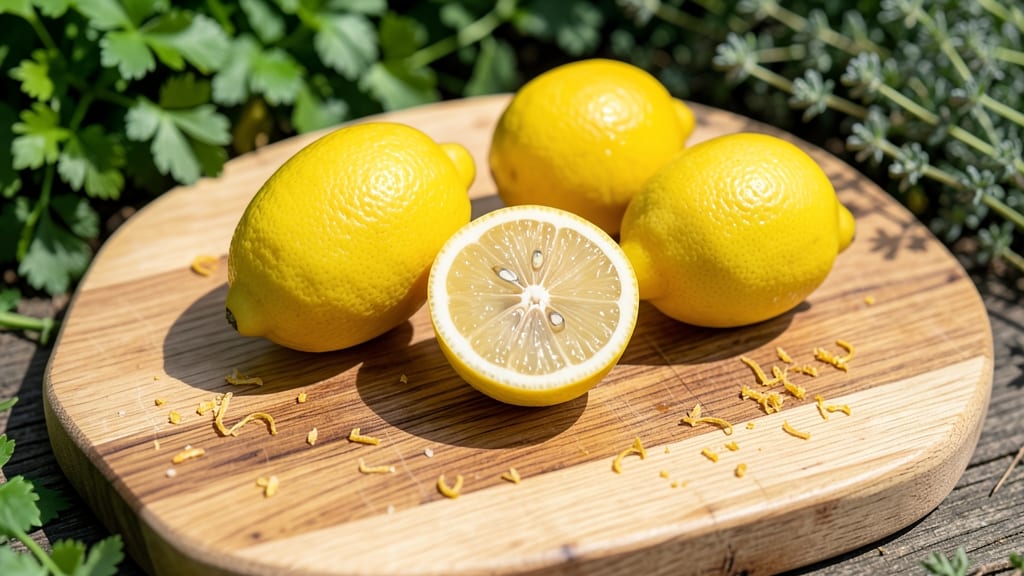
Want a year-round immune boost straight from your garden? Lemons are one of nature’s most potent sources of vitamin C, containing nearly twice the daily recommended amount in just one medium fruit. Their bright yellow color isn’t just eye-catching—it’s packed with antioxidants that help fight inflammation and support skin health.
Growing lemons is surprisingly easy, even in containers. Plant them in well-draining soil with 6-8 hours of sun daily, and keep them consistently moist but not soggy. A dwarf variety like Meyer lemon thrives in pots, making it perfect for urban gardeners or small spaces. Harvest when the fruit turns fully yellow and yields slightly to gentle pressure.
Lemons are versatile for homemade remedies (like immune-boosting teas) or fresh additions to meals. Their potassium-rich juice also helps regulate blood pressure. Perfect for gardeners who want both beauty and health benefits in one vibrant package! 💚
Yellow Bell Peppers for Vitamin A and Antioxidants
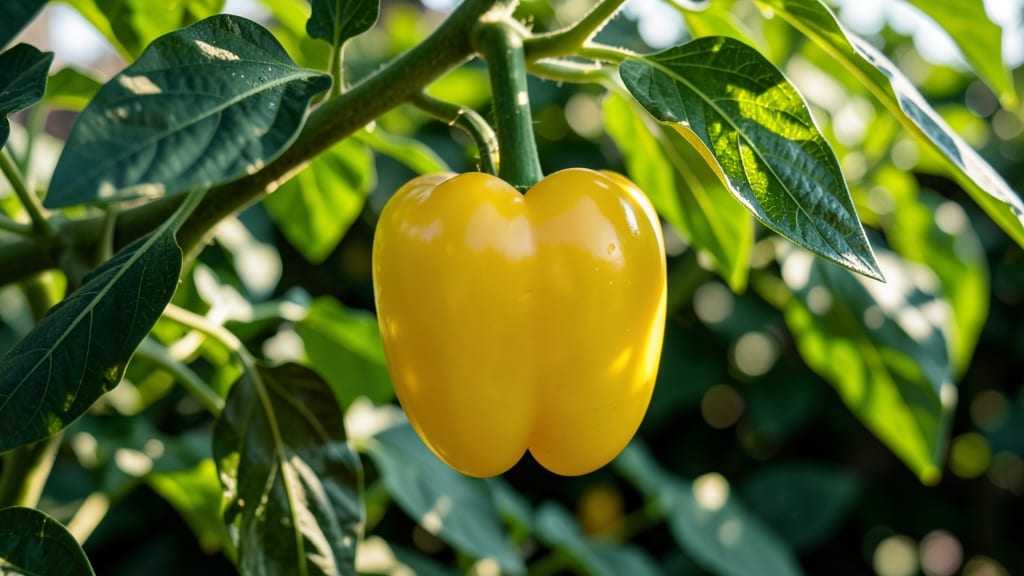
Want to grow a pepper that’s not only delicious but also packed with vitamin A and beta-carotene? Yellow bell peppers are your answer—these vibrant veggies are a powerhouse for eye health and glowing skin while adding a pop of color to your garden and plate.
These peppers thrive in full sun (6-8 hours daily) and well-draining soil, making them perfect for warm-season gardens. Varieties like 'Lemon Drop' or 'Golden Calwonder' mature in about 70-80 days and produce sweet, crisp peppers that sweeten as they ripen. For extra nutrients, harvest when fully yellow—they’re richer in antioxidants than their green or red counterparts.
Gardeners who prioritize both beauty and nutrition will love these peppers—they’re easy to grow, visually striking, and a fantastic addition to salads, stir-fries, or roasted dishes. 🌟
Mango for Digestive Health and Vitamin Boost
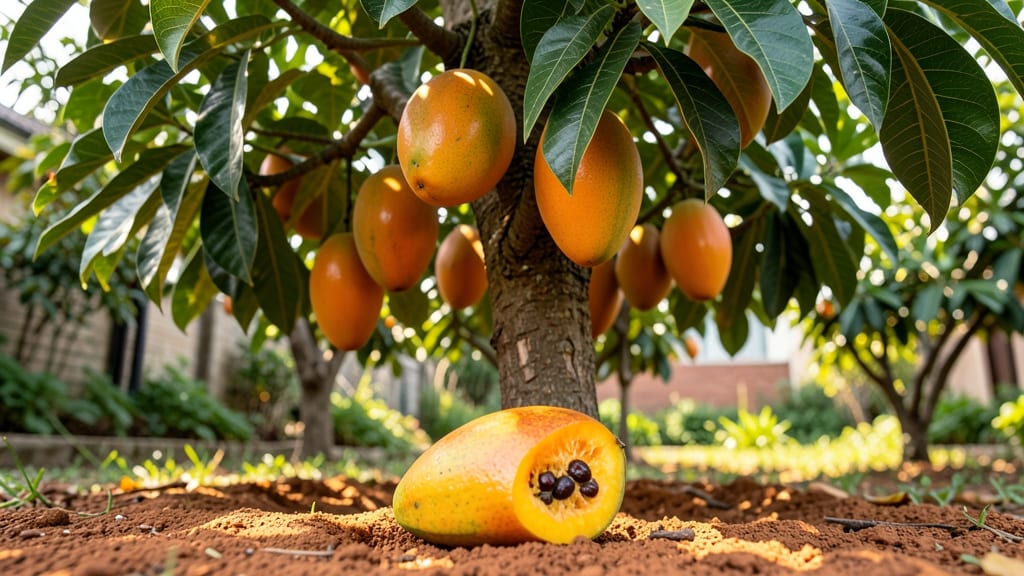
Looking for a tropical fruit that doubles as a digestive aid and vitamin powerhouse? Mangoes deliver both with their rich blend of vitamin A, C, and digestive enzymes like amylase—nature’s way to help break down complex sugars after meals.
Growing your own home-grown mangoes requires warm climates (USDA zones 10-11) and full sun, but dwarf varieties like 'Cogshall' or 'Julie' can thrive in containers for cooler regions. Prune regularly to improve airflow and fruit production, and harvest when the fruit yields slightly to gentle pressure. The yellow-orange hue signals peak ripeness and maximum nutrient content.
Perfect for gardeners in warm zones or those with greenhouses, mangoes offer a delicious way to boost immunity and digestion—plus, their vibrant color adds a tropical touch to any garden. 🌻
Yellow Squash for Vitamin K and Low-Calorie Nutrition
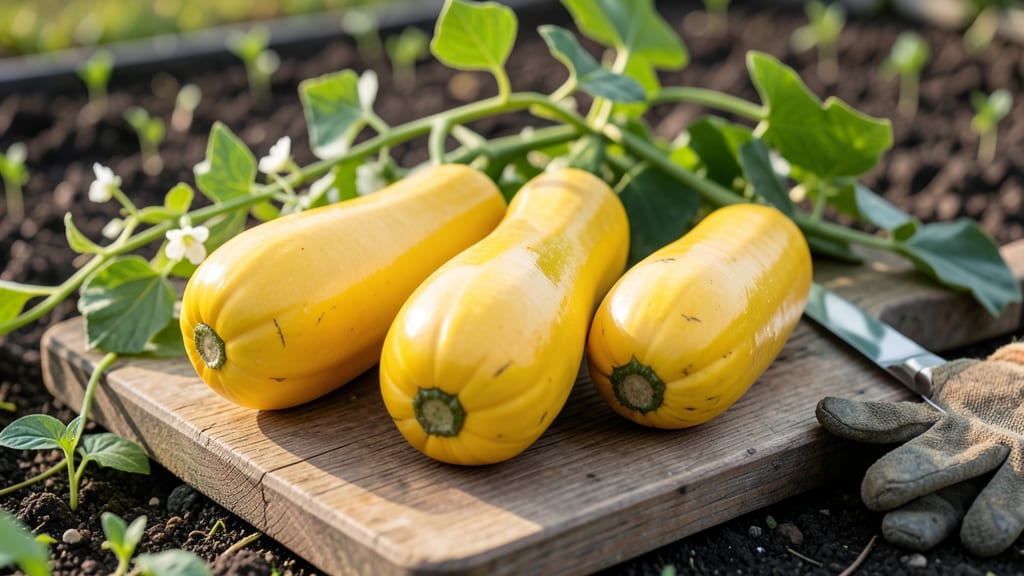
Looking for a nutrient-dense, low-calorie vegetable that thrives in most climates? Yellow squash delivers vitamin K, magnesium, and fiber while requiring minimal effort to grow—perfect for gardeners who want flavorful harvests without the fuss.
This versatile squash grows quickly (ready in 50-60 days) and adapts to both warm and cool seasons. Plant seeds 1 inch deep in well-draining soil with 6 hours of sun, spacing them 2-3 feet apart for optimal airflow. Its bush variety (like 'Golden Zucchini') eliminates the need for trellising, making it ideal for small spaces or containers.
Harvest when 6-8 inches long for the best texture and flavor—great raw in salads or sautéed as a side. Urban gardeners and health-conscious growers will love its high nutrient-to-calorie ratio and ease of cultivation. 🌱
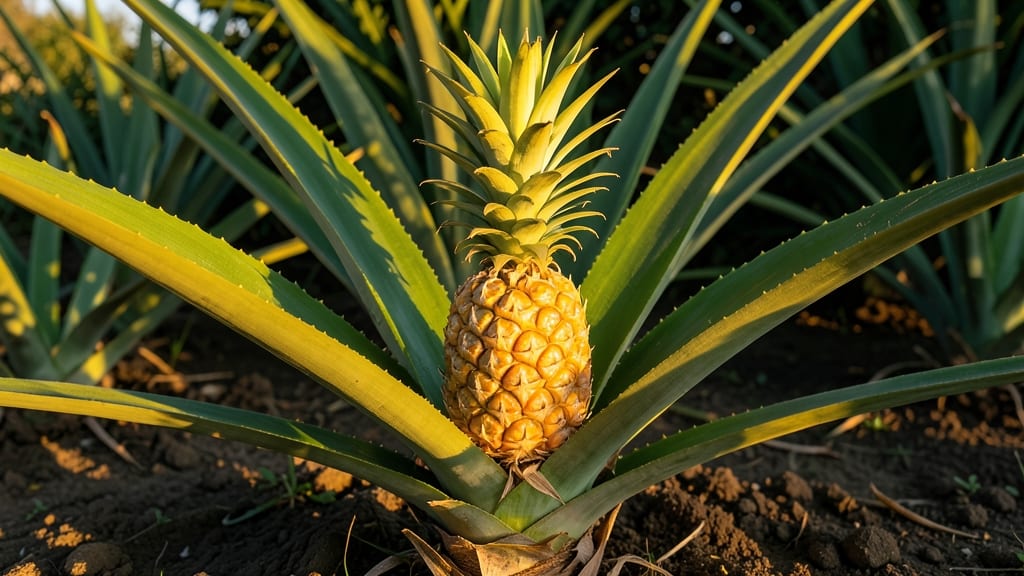
Pineapple for Bromelain and Digestive Enzymes
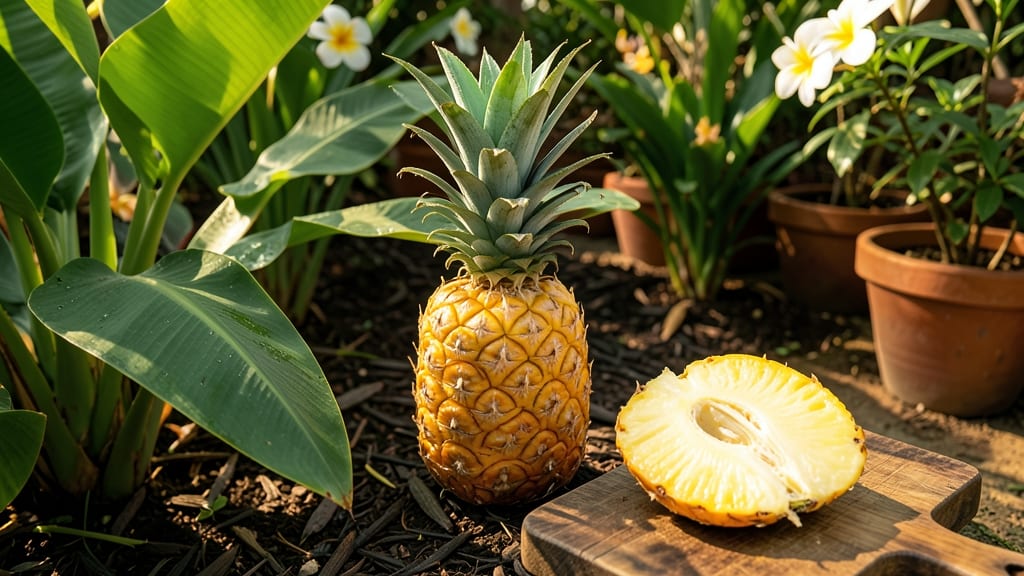
Looking to add a tropical twist to your garden that also supports digestion and reduces inflammation? Pineapple isn’t just a delicious fruit—it’s packed with bromelain, a natural enzyme that breaks down proteins and soothes digestive discomfort. This makes it a standout choice for gardeners who want both beauty and health benefits in their harvest.
Growing pineapples requires a warm, tropical climate (USDA zones 10-12) with full sun and well-draining soil. Start with a mature plant or propagate from the top of a store-bought pineapple—simply remove the leafy crown, let it dry for a day, and root it in moist soil. While they take 18-24 months to fruit, the striking spiky, sword-like foliage adds dramatic texture to any garden bed or container.
Perfect for urban gardeners in warm climates or those with greenhouses, pineapples offer a unique way to grow a nutrient-rich fruit that’s as beautiful as it is beneficial. 🌻