
Propagation
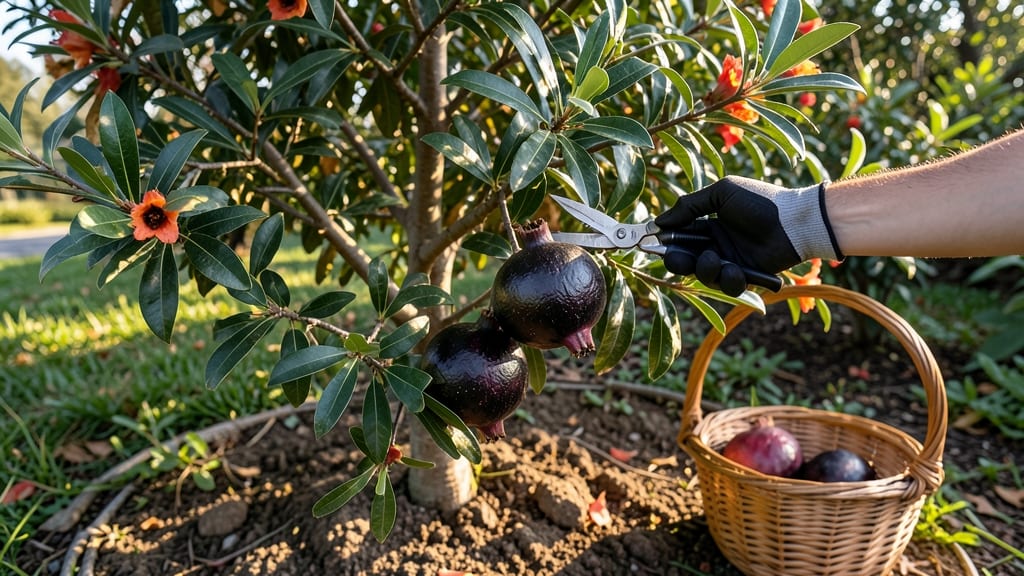
Uncovering the black pomegranate fruit reveals its striking deep-red flesh and glossy black seeds—nature’s candy with a drought-resistant twist. 🌱 I’ve learned the secret isn’t just watering; it’s the layered soil that keeps roots happy in dry climates, even when summers scorch.
The key is mimicking their Mediterranean roots: sandy loam mixed with compost, topped with a 2-inch mulch layer. Plant in full sun where temps stay above 30°F, and watch as the tree thrives with minimal fuss. No more wilting—just vibrant, juicy fruit.
You’ll harvest in 18-24 months from planting, with each fruit packed with antioxidants and that signature crunch. The black seeds? Pure visual drama when cracked open. Let’s get your tree growing!
Start with a well-draining hole twice as wide as the root ball, then backfill with your soil mix. Water deeply once planted, then let the soil dry between waterings—overwatering is the #1 killer. Prune in late winter to shape the tree and encourage fruit production.
Pests rarely bother these tough trees, but watch for aphids. A strong spray of water usually clears them. With the right soil prep, your black pomegranate will outlast droughts and reward you with years of harvests. Ready to plant?
📚 In This Guide
- What you need
- Instructions
- Tips and common mistakes
- Wrapping up and next steps
What you need
- ● Black pomegranate seeds or cuttings: 3–5 healthy seeds (from organic black pomegranates) or 1–2 dormant cuttings (4–6 inches long).
- ● Well-draining potting mix: 50% cactus/succulent soil + 30% perlite + 20% coarse sand (sterilized). Pro tip: Avoid garden soil—it retains too much moisture! 💡
- ● Containers: 2–3 6-inch pots (with drainage holes) or a 12-inch nursery tray for seeds.
- ● Drainage layer: Small pebbles or broken pottery shards (1 inch deep per pot).
- ● Slow-release fertilizer: 1 tbsp balanced 10-10-10 or organic compost (like worm castings).
- ● Spray bottle: For gentle watering (avoid over-saturation!).
- ● Pruning shears: Sharp, sterilized (for cuttings).
- ○ Rooting hormone (optional): Cloning gel or powder to boost cutting success rates.
- ○ Heat mat (optional): For seeds—keeps soil at 70–75°F for faster germination. 🌡️
- ● Sunlight access: South-facing window or grow lights (12+ hours/day).
- ○ pH test kit (optional): Ideal soil pH: 6.0–7.0 for black pomegranates.
- ● Overwatering—black pomegranates hate soggy roots! 🚫💦
- ● Cheap, non-sterile soil (risk of fungal diseases).
- ● Plastic containers without drainage (root rot = enemy #1).
Step-by-step instructions for planting black pomegranate trees
Here’s how to get those drought-resistant roots thriving—layer by layer, just like the pros do.
🌱 Step 1: Choose the Right Location and Prepare the Soil
Black pomegranates need full sun—at least 6-8 hours daily—and well-draining soil. I always pick the warmest, most sheltered spot in my yard because these trees hate cold drafts. If your soil drains poorly, amend it with 3-4 inches of coarse sand or gravel mixed into the top 12 inches of soil.
Dig a hole twice as wide as the root ball but only as deep as the container it came in. Loosen the sides of the hole with a shovel to encourage root spread. Here’s the thing—black pomegranates thrive in slightly acidic to neutral soil (pH 6.0-7.5), so test your soil first. If it’s too alkaline, mix in sulfur or peat moss to adjust it before planting.
🪴 Step 2: Layer the Soil for Drought Resistance
This is where the magic happens: layered soil. Start by placing a 3-inch layer of gravel or small rocks at the bottom of the hole. This prevents waterlogging and mimics their natural desert-like conditions. Next, add a 4-inch layer of compost mixed with native soil—this feeds the roots without compacting.
Place the tree in the hole, ensuring the root flare (where the roots meet the trunk) sits 1-2 inches above soil level. Backfill with the remaining soil mix, tamping gently as you go. Water deeply to settle everything, then add a 2-inch layer of mulch (like bark or straw) around the base—but keep it 3 inches away from the trunk to prevent rot.
☀️ Step 3: Water Deeply and Establish a Routine
After planting, water deeply once a week for the first month, soaking the soil to 12 inches down. You’ll know it’s right when water runs out the drainage holes if you’re in containers, or when the top 2 inches of soil feel moist but not soggy. Black pomegranates are drought-tolerant once established, but young trees need consistent moisture to root.
Here’s the trick: water in the morning. This gives roots time to absorb moisture before evening heat evaporates it. After the first month, cut back to every 2-3 weeks unless your area gets no rain for 4+ weeks. Overwatering is the real enemy—it causes root rot faster than drought.
✂️ Step 4: Prune for Shape and Fruit Production
Prune in late winter or early spring before new growth starts. Remove any dead, crossing, or inward-growing branches first—this opens the canopy to sunlight and air. Then, cut back overly long branches by 1/3 to encourage bushier growth. Black pomegranates fruit on new wood, so avoid heavy pruning in fall.
Watch for suckers (shoots growing from the base) and remove them promptly—they sap energy from your main tree. I also thin out too-close branches to prevent disease. After pruning, apply a balanced fertilizer (10-10-10) around the drip line, not the trunk, to feed the roots without burning them.
🌿 Step 5: Protect and Harvest for Maximum Yield
Black pomegranates are self-fertile, but bees love them—plant a few together to boost pollination. If your area gets below 20°F, wrap young trees in burlap or frost cloth in winter. Mature trees handle cold better, but fruit may split if temps swing wildly during ripening.
Harvest when the skin turns deep black and feels slightly leathery (usually late fall). Twist gently—if it resists, it’s not ready. Cut stems 1 inch above the fruit to avoid bruising. Store in a cool, dark place for up to 2 weeks. Pro tip: Don’t refrigerate until you’re ready to eat—cold makes the seeds mushy.
Tips & tricks for perfect black pomegranate planting
Took me a while to figure these out, so here goes—these little details make all the difference for your drought-resistant pomegranate trees.
Location and Soil Prep: I learned this the hard way: never plant black pomegranates in low spots where cold air settles. The 6-8 hours of full sun requirement is non-negotiable—partial shade will reduce fruit production by half. For soil testing, grab a kit from your local garden center. If your soil tests above pH 7.5, mix in 1 pound of sulfur per 100 square feet before planting to bring it down to that sweet 6.0-7.5 range.
Layered Soil Technique: The gravel layer at the bottom isn't just for drainage—it creates an air pocket that mimics the tree's natural desert habitat. Use small, rounded river rocks (about pea-sized) rather than sharp gravel to prevent root damage. When mixing the 4-inch compost layer, add a handful of mycorrhizal fungi (available at nurseries) to boost root growth—it's like giving your tree a superpower for water absorption.
Watering Wisdom: That first deep watering once a week for the first month is crucial. I use a soil probe to check moisture—insert it 12 inches down. If it comes out dry, water again. For established trees, let the soil dry completely between waterings. The morning watering rule is golden: it prevents fungal diseases from evening humidity. I've seen trees in containers dry out in just 3 days without proper watering—don't let that happen to yours.
Pruning Pro Tips: When you cut back those overly long branches by 1/3, make your cuts just above a leaf node where new growth can emerge. I always sterilize my pruners with rubbing alcohol between cuts to prevent spreading disease. For the balanced fertilizer (10-10-10), apply it in early spring when new growth starts—never in fall when the tree is preparing for dormancy.
Pro Tips for Black Pomegranate Fruit
- Took me a while to figure these out, so here goes—these little details make all the difference for your drought-resistant pomegranate trees.
- Location and Soil Prep: I learned this the hard way: never plant black pomegranates in low spots where cold air settles.
- Layered Soil Technique: The gravel layer at the bottom isn't just for drainage—it creates an air pocket that mimics the tree's natural desert habitat.
Frequently asked questions
Got questions about growing black pomegranates?
You’re not alone! Here are answers to the most common queries—so you can cultivate these drought-resistant beauties with confidence.
How long does it take for a black pomegranate tree to bear fruit?
A black pomegranate tree typically takes 3–5 years to produce its first fruit, depending on climate and care. Patience is key—young trees focus on root and branch growth before flowering. In warmer regions (like zones 7–11), you might see earlier blooms, but consistent watering and well-draining soil speed up the process.
Can black pomegranates survive drought once established?
Once mature, black pomegranates are drought-tolerant thanks to their deep root systems. However, young trees (under 3 years) need regular watering—about 1–2 inches per week during dry spells. Mulch heavily to retain moisture, and avoid overwatering, which can rot roots.
What if my black pomegranate tree isn’t flowering?
Lack of flowers? Check these fixes:
- Age: Trees under 3 years may not flower yet.
- Sunlight: Ensure 6+ hours of direct sun daily—pomegranates thrive in full sun.
- Pruning: Trim leggy branches in late winter to encourage bushier growth.
- Fertilizer: Apply a low-nitrogen, high-phosphorus blend in early spring to boost blooms.
Are black pomegranates different from regular pomegranates in taste?
Yes! Black pomegranates (like the Punica granatum ‘Black Beauty’) have darker, deeper red arils and a slightly tart-sweet flavor—more intense than the classic ruby varieties. Their seeds are also larger and juicier, perfect for juicing or garnishes. Pro tip: Ripe black pomegranates split open naturally—no need to force them!
Can I grow black pomegranates in containers?
Yes, but choose a large pot (20+ gallons) with drainage holes. Use a fast-draining mix (like cactus soil + perlite) and repot every 2–3 years. Container-grown trees may need winter protection in cold climates (below 20°F). Dwarf varieties (like ‘Wonderful’) adapt best to pots—just ensure they get plenty of sunlight!
Why are my pomegranate leaves turning yellow?
Yellow leaves usually signal overwatering, nutrient deficiency, or fungal issues. Here’s how to troubleshoot:
Issue
Solution
Overwatering
Let soil dry 2–3 inches deep between waterings; improve drainage.
Nitrogen deficiency
Fertilize with balanced 10-10-10 in spring.
Fungal disease (e.g., leaf spot)
Prune affected leaves, apply copper fungicide, and avoid wetting foliage.
Wrapping up and next steps
Growing black pomegranate fruit is a rewarding journey that combines resilience with delicious results! With the right layered soil secrets and drought-resistant techniques, you can cultivate a thriving plant even in challenging climates.
Whether you're a seasoned gardener or just starting, this guide equips you with the confidence to nurture your own vibrant pomegranate tree.
Ready to take the next step? Start small—plant your first cutting or seedling this season and watch your garden flourish! 🌱 For extra inspiration, explore local nurseries or online forums to connect with fellow pomegranate enthusiasts. Happy growing! 🍇