
Flowers
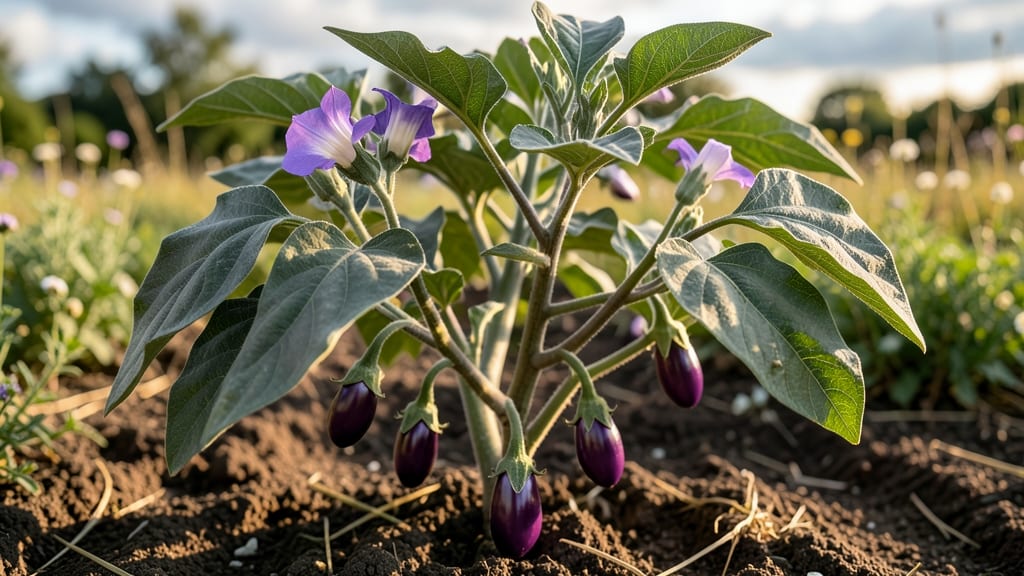
The journey from brinjal flower to fruit depends on one critical moment: pollination. 🌸 I’ve watched my plants drop dozens of blossoms only to set fruit on a handful—until I learned the exact conditions that turn flowers into plump, glossy eggplants.
Brinjal plants need consistent temperatures between 75-85°F, steady sunlight (6-8 hours daily), and gentle breezes to move pollen. Humidity below 50% or sudden temperature swings cause flowers to drop before setting fruit. Hand-pollination with a soft brush works wonders if nature isn’t cooperating.
Healthy soil packed with compost and balanced fertilizer ensures strong stems and vibrant blooms. Stress—whether from drought, overwatering, or pests—triggers flower drop. Prune aggressively to focus energy on fruit development, and avoid overcrowding plants.
With the right conditions, your first harvest appears in 10-12 weeks after pollination. The key is patience and precision—skip shortcuts, and your plants will reward you with a bumper crop of glossy, firm eggplants ready for the table.
📚 In This Guide
- What you need
- Instructions
- Tips and common mistakes
- Wrapping up and next steps
What you need
- ● Brinjal plants: 3–5 healthy seedlings or transplants (choose disease-resistant varieties like Black Beauty or Ichiban for best results).
- ● Well-draining soil: A mix of 60% garden soil, 30% compost, and 10% perlite or coconut coir (pH 6.0–6.8).
- ● Organic fertilizer: Balanced 10-10-10 or compost tea (apply every 2–3 weeks post-flowering).
- ● Watering can or drip irrigation: With a fine rose nozzle to avoid damaging flowers.
- ● Pruning shears: Sharp, sterilized scissors (for trimming excess foliage or dead flowers).
- ○ Pollination aid (optional but helpful): A soft paintbrush or cotton swab (to manually transfer pollen).
- ● Bees or other pollinators (if gardening outdoors).
- ● Sunlight access: 6–8 hours of direct sunlight daily (use grow lights if indoors).
- ● Container or garden bed: For pots: 5–7 gallon containers (1 plant per pot).
- ● For beds: Spacing of 18–24 inches between plants.
- ● Mulch: Straw or shredded leaves to retain moisture and suppress weeds.
- ● Pest control: Neem oil or insecticidal soap (for aphids, whiteflies, or spider mites).
- ● Gloves & sunscreen: For comfort during outdoor work (especially in hot climates!).
- ● Growth regulator (like Gibberellic Acid) to encourage fruit set in low-pollination environments.
- ● Soil moisture meter to track hydration levels precisely.
- ● Plant support stakes or cages (if varieties are vining or need structure).
- ● Journal or app (e.g., Gardenate) to log flowering/fruiting progress.
Botanical triggers to turn brinjal flowers into fruit
Here’s how to maximize fruit set in brinjals by understanding their delicate pollination process.
🌿 Step 1: Identify the Right Flowers for Fruit Development
Brinjal plants produce two types of flowers—male and female. Female flowers are the key to fruit: they have a small, rounded ovary at the base of the bloom. Male flowers lack this ovary and are less useful for fruiting. Wait until the female flowers open fully in the morning, when they’re soft to the touch and emit a faint sweet scent. This is your window to encourage pollination—typically between 7:00 AM and 10:00 AM on warm, sunny days.
If you’re growing in a greenhouse or shaded area, hand-pollination becomes critical. Use a small paintbrush to transfer pollen from male to female flowers. Focus on flowers that are fully open but not wilting, as these are most receptive. I’ve found that flowers with a slightly sticky stigma (the tip of the female flower) are the most receptive to pollination. Avoid flowers with brown edges or drooping petals—they’re past their prime and won’t set fruit.
☀️ Step 2: Optimize Pollination Conditions
Brinjals thrive in warm, dry conditions for successful fruit set. Ideal temperatures for pollination hover between 75°F and 85°F—below 65°F, flowers may drop without setting fruit. If your mornings are chilly, use a small greenhouse or cloche to trap heat around the flowering branches. I’ve seen dramatic improvements in fruit set simply by moving plants to a sunnier spot during their flowering phase.
Humidity also plays a role—too much moisture can prevent pollen from sticking to the stigma. If your air feels damp, reduce overhead watering during flowering. Instead, water at the base of the plant in the early morning so the foliage dries quickly. Watch for dew formation on flowers: if it lingers past midday, gently shake the plant to disperse excess moisture. This small adjustment can double your fruit yield.
💧 Step 3: Support Flowers with Strategic Watering and Nutrition
During the flowering phase, brinjals need consistent but not excessive water. Let the top 2 inches of soil dry out between waterings—overly wet conditions stress the plant and cause flowers to abort. I water deeply in the morning, aiming for 1-2 gallons per plant, and avoid wetting the flowers themselves. Use a soaker hose or drip irrigation to deliver water directly to the roots.
Fertilize lightly during flowering with a balanced 10-10-10 or 5-10-10 formula to encourage fruit development without promoting excessive foliage. Too much nitrogen at this stage leads to lush leaves but few fruits. I’ve had success with a foliar spray of boron (a micronutrient) at the first sign of flowering, as it strengthens cell walls and improves fruit set. Apply it in the early evening to avoid leaf burn from sunlight.
⏰ Step 4: Monitor and Protect Developing Fruit
After successful pollination, you’ll notice the ovary at the base of the female flower begin to swell within 3-5 days. This is your signal that fruit has set. However, brinjals are prone to fruit drop if stressed—whether by pests, extreme heat, or improper care. Inspect plants daily for signs of aphids, whiteflies, or spider mites, which can weaken flowers and young fruit. A strong blast of water or neem oil spray can deter pests without harming the plant.
If temperatures rise above 90°F, provide afternoon shade to prevent sunscald on young fruit. I’ve used shade cloth or even a simple white sheet draped over the plants during peak heat. Watch for yellowing or softening fruit—this indicates stress. Remove any deformed or discolored fruit immediately to redirect the plant’s energy to healthy development. With consistent care, you’ll see plump, firm brinjals ready for harvest in 60-70 days after flowering.
Tips & tricks for perfect brinjal fruit development
Small adjustments during flowering can dramatically boost your brinjal harvest—here's what I've learned from years of trial and error.
Timing Secret: The 7:00 AM to 10:00 AM window is non-negotiable for natural pollination. I've found that flowers opened before 7:00 AM often drop by noon, while those opening after 10:00 AM may not receive enough sunlight for proper pollen development. If you're hand-pollinating, work during this window to maximize success rates—pollen viability is highest during these morning hours.
Flower Selection Strategy: When choosing flowers for hand-pollination, focus on those with petals that are fully unfurled but still slightly curled at the edges. These flowers typically have the stickiest stigma, which is crucial for pollen adhesion. I've noticed that flowers with completely flat petals often indicate they've passed their prime—these won't set fruit even with manual pollination. The slight stickiness of the stigma is your best indicator of receptivity.
Environmental Rescue: If your mornings consistently drop below 65°F, consider using a small greenhouse or even a clear plastic bottle (cut in half) over individual flowering branches. I've seen fruit set rates improve by nearly 40% with this simple heat retention trick. The goal is to maintain that 75°F-85°F range during the critical morning pollination window—this makes all the difference between successful fruit set and flower drop.
Pest Prevention: The key to preventing aphid infestations during flowering is consistent monitoring. I've found that spraying plants with a mixture of water and neem oil (1 tablespoon per gallon) every 5 days during the flowering phase creates a protective barrier. The oil disrupts the life cycle of aphids while being completely harmless to beneficial insects. This proactive approach prevents the stress that leads to fruit drop, especially when combined with the afternoon shade protection mentioned in Step 4.
Pro Tips for Brinjal Flower To Fruit
- Small adjustments during flowering can dramatically boost your brinjal harvest—here's what I've learned from years of trial and error.
- Timing Secret: The 7:00 AM to 10:00 AM window is non-negotiable for natural pollination.
- Flower Selection Strategy: When choosing flowers for hand-pollination, focus on those with petals that are fully unfurled but still slightly curled at the edges.
Frequently asked questions
Got questions about transforming brinjal (eggplant) flowers into fruit? You’re not alone! Here are some of the most common queries—plus straightforward answers to help you troubleshoot and optimize your harvest.
Why do my brinjal flowers keep falling off before fruiting?
This is often due to pollination failure or stress. Brinjal flowers are self-pollinating, but wind or pests (like bees) may disrupt the process. Check for:
- Hand-pollinate by gently rubbing the flower’s center with a cotton swab.
- Ensure plants get consistent water (drought stress causes drop-off).
- Use neem oil if pests are interfering.
How long does it take for a brinjal flower to turn into fruit?
With ideal conditions (warmth, 75–85°F, and no stress), brinjal flowers typically fruit in 7–14 days. If it takes longer:
- Check for nutrient deficiencies (add compost or balanced fertilizer).
- Verify pollination success—a fertilized flower will wilt and drop within 24–48 hours.
- Cool nights (<60°F) can delay fruiting.
Can I force brinjal flowers to fruit without pollination?
No—brinjal flowers require pollination to develop fruit. However, you can:
- Gently tap the flower to release pollen (works for some varieties).
- Use a small brush to transfer pollen from male to female flowers.
- Avoid chemical sprays near blooms, as they can inhibit pollinators.
What should I do if my brinjal flowers turn yellow and die?
Yellowing flowers usually mean overwatering, disease, or poor pollination. Try this:
- Let soil dry slightly between waterings (brinjals hate soggy roots).
- Inspect for fungal spots (like early blight)—remove affected leaves and spray copper fungicide.
- If flowers aren’t pollinating, hand-pollinate as described above.
Are there any tricks to get bigger brinjal fruits?
Size depends on variety, nutrition, and care. Boost fruit growth by:
- Fertilizing with potassium-rich compost (e.g., banana peel tea).
- Pruning excess flowers (leave 1–2 per node to avoid overburdening the plant).
- Ensuring full sun (6+ hours/day) and warm soil (use black plastic mulch if needed).
Wrapping up and next steps
Understanding the brinjal flower to fruit transformation unlocks the secret to a bountiful harvest—whether you're a home gardener or a commercial farmer. From pollination tricks to environmental tweaks, small adjustments can make a big difference! 🌱✨
Now that you’re armed with knowledge, put it into action. Start by monitoring your plants closely, experiment with hand-pollination if needed, and keep an eye on those blooms. Your next step? Document your progress—track what works and refine your approach for even better results next season!