
Blooming
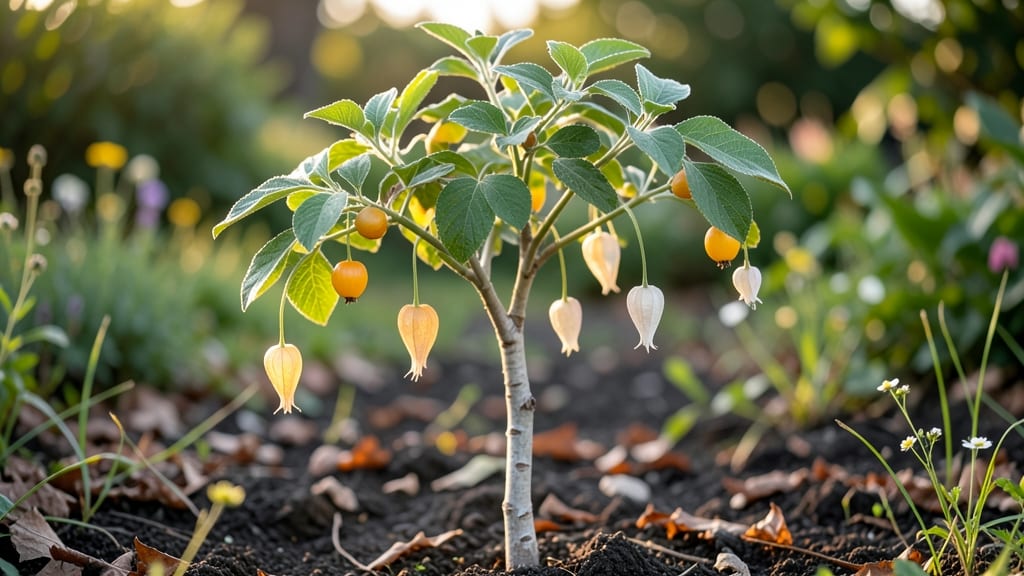
Capulin fruit in English is known as capulín cherry or Mexican hawthorn berry, a small, deep-red berry prized for its intense tartness and culinary versatility in Mexican dishes and natural remedies.
When you encounter this fruit in English-speaking markets or recipes, you'll often see it labeled as capulín cherry—a name that reflects both its cherry-like appearance and its Mexican heritage. 🌿 The berries grow on the capulín tree (Crataegus pubescens), a hardy plant native to Mexico and Central America that thrives in temperate climates.
Unlike many fruits, capulin requires minimal care once established, making it a favorite among gardeners in regions with mild winters.
Beyond its name, capulin stands out for its unique flavor profile—bright, tangy, and slightly astringent—which makes it perfect for balancing sweet dishes. Many traditional Mexican recipes use it to add depth to jams, syrups, and even fermented beverages.
What's fascinating is how its high antioxidant content has earned it a place in folk medicine as well.
💡 In This Article
- Botanical Profile of Capulin: Origins and Growing Conditions
- How to Use Capulin in Cooking and Traditional Remedies
Botanical profile of capulin: origins and growing conditions
The capulín cherry belongs to the Crataegus genus, which includes around 200 species of hawthorns—most native to temperate regions of the Northern Hemisphere. This particular species, Crataegus pubescens, thrives specifically in Mexico's highland areas (between 1,500-2,500 meters elevation) where cool nights and warm days create ideal growing conditions.
The tree's natural resilience comes from its ability to tolerate drought conditions once established, making it perfect for regions with seasonal rainfall patterns like those in Central Mexico.
Capulín trees grow as small to medium-sized shrubs or trees, typically reaching 6-12 feet in height, with dense, thorny branches that protect the fruit from wildlife. The berries themselves are 0.5-1 inch in diameter, deep red when ripe, and contain 1-2 seeds surrounded by a tart, translucent flesh.
What makes them unique botanically is their high polyphenol content—compounds that give them their signature astringent kick and antioxidant properties.
These same compounds also contribute to the tree's ability to thrive in poor soil conditions, often growing well in rocky or slightly alkaline soils where other fruit trees would struggle.
For gardeners looking to cultivate capulín, the key is patience. Young trees take 3-5 years to bear fruit, but once established, they produce abundant crops with minimal intervention.
The tree prefers full sun to partial shade (at least 6 hours of direct sunlight daily) and can handle temperatures down to 15°F—though young plants benefit from winter protection in colder climates.
What's particularly impressive is how the tree's root system spreads widely but shallowly, making it drought-resistant once the topsoil remains moist during the first growing season.
In its native habitat, capulín trees often grow in mixed woodlands alongside other fruit-bearing species like prickly pear cactus and Mexican plum. This symbiotic relationship helps explain why capulin's flavor profile—bright, slightly bitter, and complex—works so well in both sweet and savory dishes.
The tree's hardiness and adaptability have made it a staple in traditional Mexican home gardens, where it's often planted near patios or kitchen gardens for easy access to its fruit.
What most people don't realize is how capulin's botanical traits directly influence its culinary uses. The high malic acid content (similar to gooseberries) creates that signature tang, while the low sugar content (typically 5-8% by weight) means it needs balancing with sweeteners in most preparations.
This natural chemistry is why capulin works so beautifully in agave-based syrups or honey infusions—the sweetener's viscosity helps mellow the fruit's sharpness while preserving its vibrant color.
If you're considering growing capulin in your own garden, start with a 1-2 gallon container-grown plant from a reputable nursery specializing in Mexican native species.
The tree's compact size makes it ideal for container gardening in urban settings, though it will eventually need repotting into a 15-gallon container or ground planting as it matures. Just remember: the thorns are real, so position it where they won't interfere with foot traffic!