
Shrubs
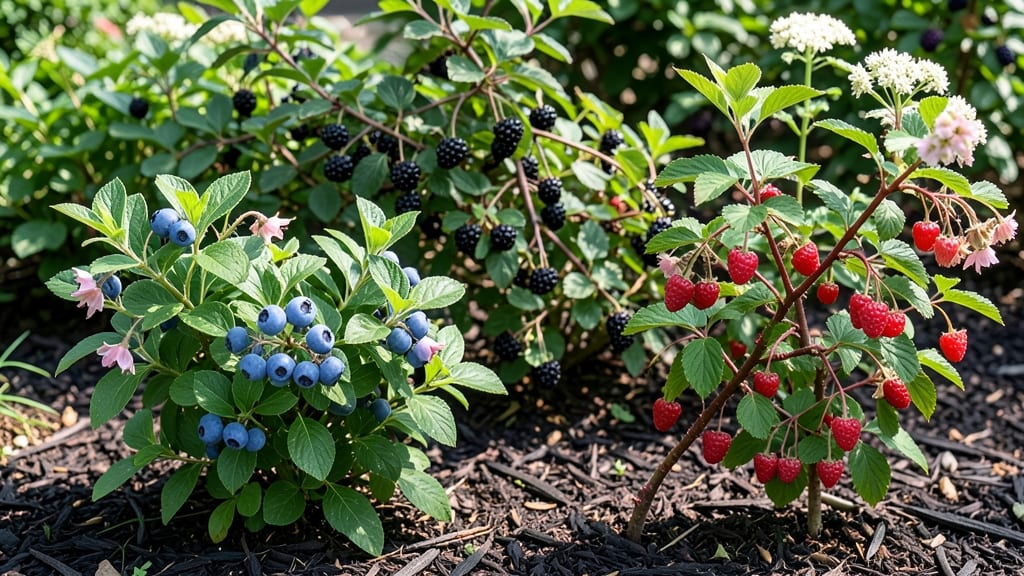
Growing fruit-bearing bushes means turning your yard into a year-round snack factory—think blueberries in summer, raspberries in fall, and even citrus when you least expect it. 🌿 The best part? These bushes thrive with minimal fuss, producing fruit for decades with just a little seasonal care.
I’ve grown everything from dwarf blueberry bushes to full-size blackberries, and the secret isn’t complicated: pick the right variety for your climate, plant it right, and let it do the work.
Most fruit bushes need full sun (6+ hours daily) and well-draining soil—think sandy loam with a little compost mixed in. If your soil is heavy clay, amending it with organic matter is a game-changer.
Pruning is simple: cut back dead wood in late winter and shape the bush in early spring, but don’t overdo it. The goal is to keep the center open so air circulates—this prevents diseases like powdery mildew and keeps fruit production strong.
By mid-summer, you’ll be harvesting sweet, plump berries that taste better than anything from the store. Blueberries stay productive for 20+ years, raspberries resprout from the roots, and even stone fruit bushes like peaches (in warmer zones) reward patience with juicy harvests.
The key is consistency: water deeply during dry spells, mulch to retain moisture, and watch for pests like spider mites or Japanese beetles—spraying neem oil early prevents most problems.
Whether you have a small patio or a full backyard, there’s a bush that fits. Dwarf varieties work in containers, while standard-size plants thrive in raised beds.
Start with one or two bushes to test what grows best in your space, then expand next year. The first harvest will make every pruned branch worth it.
📚 In This Guide
- What you need
- Instructions
- Tips and common mistakes
- Wrapping up and next steps
What you need
- ● Fruit-bearing bushes: Choose 3–5 young, healthy bushes (e.g., blueberries, raspberries, blackberries, or currants). Opt for dwarf varieties (3–5 ft tall) for easier maintenance.
- ● Potting soil or garden soil: 5–10 bags (2–3 cubic feet each) of well-draining, slightly acidic soil (pH 4.5–6.0 for blueberries; 6.0–7.0 for others).
- ● Compost or organic fertilizer: 1–2 bags of balanced, slow-release fertilizer (10-10-10 or similar).
- ● Mulch: 2–3 bags of pine bark, straw, or wood chips (2–3 inches deep) to retain moisture and regulate soil temperature.
- ● Watering can or hose with a gentle spray nozzle: For consistent, deep watering (1–2 gallons per bush, 2–3 times per week).
- ● Pruning shears: Sharp, bypass-style shears (avoid anvil shears to prevent crushing stems).
- ● Gloves: Heavy-duty gardening gloves to protect your hands from thorns and rough branches.
- ● Stakes or trellis system: 4–6 wooden or metal stakes (4–6 ft tall) + twine or flexible ties for supporting climbing varieties (e.g., raspberries).
- ● Container or in-ground planting space: Containers: 5–15 gallon pots with drainage holes (1 bush per container).
- ● In-ground: Full sun (6+ hours/day) and space 3–6 ft apart, depending on variety.
- ● Soil pH test kit: To monitor and adjust acidity levels as needed.
- ● Drip irrigation system: For automated, efficient watering (especially in hot climates).
- ● Bird netting: To protect ripe fruit from hungry birds and wildlife.
- ● Organic pest control: Neem oil or insecticidal soap for aphids or mites.
- ● Wheelbarrow or garden cart: For easy transport of soil, mulch, or tools.
Step-by-step guide to planting and caring for fruit-bearing bushes
Here’s how to establish thriving, low-maintenance fruit bushes that reward you with harvests for years.
🌱 Step 1: Select the Right Location and Prepare the Soil
Fruit-bearing bushes thrive in full sun—choose a spot that receives at least 6-8 hours of direct sunlight daily. Avoid low-lying areas where cold air settles, as these plants are sensitive to frost damage. I always test the soil pH first—most fruit bushes prefer a slightly acidic to neutral range of 6.0-7.0. If your soil is heavy clay or overly sandy, amend it with 2-3 inches of compost mixed into the top 12 inches of soil.
Dig a planting hole twice as wide as the root ball but only as deep. Loosen the sides of the hole with a shovel to encourage root spread. The reason for this wider hole is to prevent root circling—a common issue that stunts growth. If your soil drains poorly, add a 2-inch layer of gravel at the bottom of the hole to improve drainage.
🪴 Step 2: Plant Bushes at the Correct Depth and Spacing
Remove the bush from its container and gently tease apart any tangled roots. Place it in the hole so the top of the root ball sits level with the surrounding soil—burying too deep can suffocate the plant, while planting too high risks poor water uptake. For 4 bushes, space them 6-10 feet apart, depending on the mature size of the variety. Dwarf varieties can handle closer spacing, while standard bushes need room to grow.
Backfill the hole with native soil, pressing lightly to eliminate air pockets. Water deeply to settle the soil around the roots, then add a 2-inch layer of mulch (like wood chips or straw) to retain moisture and suppress weeds. Keep mulch 3-4 inches away from the stem to prevent rot. This step ensures your bushes establish strong roots without competition from weeds.
☀️ Step 3: Water Deeply and Establish a Consistent Routine
Water each bush with 1-2 gallons of water immediately after planting to help the roots settle. After that, water deeply once a week, providing 2-3 gallons per bush depending on rainfall. The key is to soak the soil 12 inches deep—this encourages roots to grow downward rather than staying shallow. You’ll know you’ve watered enough when water runs out the drainage holes if planted in containers, or when the soil feels moist 6 inches down.
During the first growing season, avoid overhead watering to prevent fungal diseases. Instead, use a soaker hose or drip irrigation placed at the base of the plant. Once established, fruit bushes are drought-tolerant, but consistent moisture during the first year is critical for root development. Real talk: Overwatering is just as harmful as underwatering—yellowing leaves often signal too much moisture.
✂️ Step 4: Prune for Shape and Fruit Production
Prune in late winter or early spring, just before new growth begins. Remove dead, diseased, or crossing branches first—these compete for nutrients and can harbor pests. Next, thin out overcrowded branches to improve airflow, which reduces disease risk. For fruit-bearing bushes, I focus on open-center shapes to maximize sunlight exposure for fruit development. Cut back any suckers (shoots growing from the base) to redirect energy to fruit production.
Use clean, sharp pruners to make cuts at a 45-degree angle just above a bud or branch collar. Avoid leaving stubs, as they can rot and invite pests. After pruning, apply a balanced fertilizer (like 10-10-10) to support new growth. This step is where minimal pruning pays off—well-shaped bushes produce more fruit with less effort. If you skip pruning, you’ll end up with a tangled mess and fewer harvests.
🍓 Step 5: Monitor for Pests and Harvest at Peak Ripeness
Inspect bushes weekly for signs of pests like aphids, spider mites, or fruit flies. Early intervention is key—use neem oil or insecticidal soap for minor infestations, and remove heavily damaged fruit immediately. Birds can be a problem too, so consider netting if they’re a nuisance in your area. I’ve found that reflective tape around the bushes also deters birds without harming the plants.
Harvest fruit when it’s fully colored and slightly soft to the touch—this ensures peak flavor and sweetness. For berries, this might mean picking when they’re deep red or purple; for stone fruits, wait until they yield gently when pressed. Harvest in the morning when temperatures are cooler to preserve quality. Prune again after harvest to remove any spent wood and encourage next year’s growth. With this routine, you’ll enjoy year-round bounties with minimal effort.
Tips & tricks for perfect fruit-bearing bushes
Here's what nobody tells you about keeping these bushes thriving with minimal fuss.
Sunlight Strategy: While the instructions call for 6-8 hours of sunlight, I've found that morning sun (6-9 AM) is more critical than afternoon sun for fruit development. The cooler morning light helps prevent sunburn on delicate fruit, especially in hot climates. If your location has intense afternoon sun, consider providing afternoon shade during peak summer months to protect both foliage and fruit from scorching.
Soil Prep Secret: The 2-3 inches of compost recommendation is perfect, but I take it a step further by mixing in a handful of egg shells (crushed) into each planting hole. This provides calcium that strengthens cell walls, making fruit more resistant to cracking and improving overall plant vigor. The egg shells break down slowly, giving you long-term benefits without altering soil pH.
Watering Wisdom: That 12-inch deep watering rule is spot-on, but here's the trick: I use a soil probe to check moisture depth after watering. If the soil at 6 inches feels dry, I give another gallon until water runs out the bottom. This ensures consistent moisture without overwatering, which is especially important during the first critical year when roots are establishing. Overwatering causes more problems than underwatering with these hardy bushes.
Pruning Precision: When pruning in late winter, I look for three-bud clusters when making cuts. This encourages bushier growth and more fruit production. For the first two years, I focus on removing only the most problematic branches—these young bushes need all their energy directed toward root and canopy development. The open-center shape becomes more important after year three when the plant is established.
Pro Tips for Fruit Bearing Bushes
- Here's what nobody tells you about keeping these bushes thriving with minimal fuss.
- Sunlight Strategy: While the instructions call for 6-8 hours of sunlight, I've found that morning sun (6-9 AM) is more critical than afternoon sun for fruit development.
- Soil Prep Secret: The 2-3 inches of compost recommendation is perfect, but I take it a step further by mixing in a handful of egg shells (crushed) into each planting hole.
Frequently asked questions
Got questions about growing fruit-bearing bushes? You’re not alone! Here are some of the most common queries—plus quick, actionable answers to help you cultivate a thriving harvest with ease.
How long does it take for fruit-bearing bushes to produce fruit?
Most fruit-bearing bushes like blueberries, currants, or raspberries take 1–3 years to mature and bear fruit, depending on the variety and growing conditions. Dwarf varieties (e.g., Patio Blueberry) may fruit in as little as 1 year, while larger shrubs like elderberries can take up to 3 years. Patience pays off—consistent care (water, sunlight, and soil health) speeds up the process!
When is the best time to plant fruit-bearing bushes?
Plant in early spring or fall when soil is workable but not frozen. Spring planting (after last frost) gives bushes time to establish roots before summer heat, while fall planting (6–8 weeks before frost) allows roots to grow without competing with summer growth. Avoid planting in extreme heat or winter—root shock is a real risk!
Can I grow fruit-bearing bushes in containers or small spaces?
Dwarf varieties (e.g., Jumbo’ Blueberry or Goldie’ Raspberry) thrive in 5–15 gallon pots with well-draining soil. Ensure containers have drainage holes, use a balanced fertilizer, and rotate pots occasionally for even sunlight. For small yards, try espalier training or vertical planters to save space while maximizing harvests.
What pests or diseases should I watch for, and how do I prevent them?
Common issues include:
- Aphids/spider mites: Spray with neem oil or introduce ladybugs.
- Powdery mildew: Improve airflow, avoid overhead watering, and apply baking soda spray (1 tsp baking soda + 1 quart water + a drop of soap).
- Birds: Use netting during fruiting season.
Do fruit-bearing bushes need heavy pruning, or can I skip it?
Pruning is minimal but critical for health and fruit production. Focus on:
- Removing dead/diseased wood (anytime).
- Trimming overcrowded branches in late winter/early spring (before new growth).
- Light thinning of old canes (e.g., raspberries) to boost air circulation.
Wrapping up and next steps
Growing fruit-bearing bushes is a rewarding journey that brings color, flavor, and sustainability to your garden with minimal effort! Whether you’re a beginner or a seasoned gardener, these hardy plants thrive with just a little care—think low-maintenance pruning, sun-kissed soil, and patient nurturing.
Your future harvests of berries, cherries, or plums are just a season (or two) away!
Ready to turn your yard into a year-round fruit paradise? Start by picking one or two bushes that suit your climate and space, then roll up your sleeves—your taste buds (and neighbors!) will thank you. Grab your pruners and get planting today! 🌱✨