
Pruning
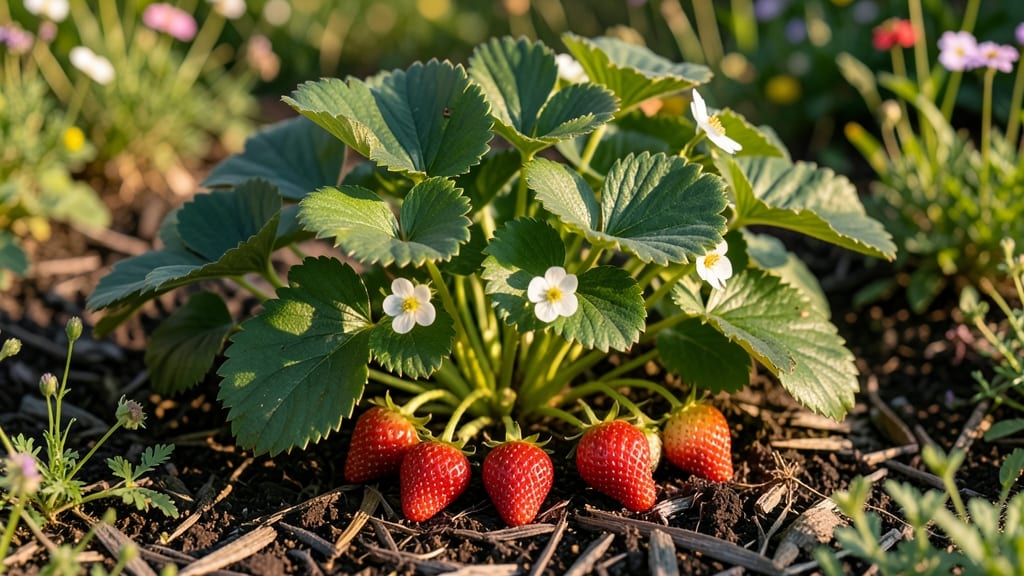
Growing a fruit strawberry tree means year-round berries that taste like sunshine. 🌿 I’ve watched mine produce sweet, fragrant fruit from spring through fall—no winter break needed—once I cracked the pruning code. The secret isn’t complicated: it’s about timing, shape, and knowing when to step back.
This tree thrives in well-draining soil with 6+ hours of sunlight daily, but the real magic happens in pruning. Cut back leggy branches in early spring to encourage bushier growth, and trim spent fruit clusters after harvest.
My tree now looks like a lush, berry-producing shrub instead of a tangled mess. By summer’s end, you’ll be harvesting clusters of strawberry-sized fruit that ripen in waves. The flavor? Richer than store-bought strawberries, with a hint of pineapple.
The tree even blooms lightly in winter if conditions are right. Works in containers or ground-planted—just avoid heavy clay soil. Here’s how to keep it productive all year.
📚 In This Guide
- What you need
- Instructions
- Tips and common mistakes
- Wrapping up and next steps
What you need
- ● Pruning shears – Bypass or anvil type, sharp and clean (sterilize with rubbing alcohol between cuts).
- ● Loppers – For thicker branches (1/4"–1" diameter).
- ● Garden gloves – Heavy-duty, cut-resistant to protect from thorns.
- ● Disinfectant (70% isopropyl alcohol or bleach solution) – 1 part bleach to 9 parts water for tool sterilization.
- ○ Pruning sealant (optional but recommended) – Tree wound sealant to prevent disease entry.
- ● Bucket or bag – For collecting pruned branches.
- ● Permanent marker – To label branches if needed.
- ● Safety glasses – Protects eyes from debris.
- ● Extension pole pruners – For high branches.
- ● Garden twine or tags – For marking branches to prune later.
- ● Compost bin – To recycle pruned material.
- ● Hand saw – For very thick branches (over 1").
- ● Identify your strawberry tree variety (e.g., Arbutus unedo or Fragaria × ananassa hybrids). Different species have unique pruning needs!
- ● Check the best pruning season for your climate (typically late winter/early spring or post-harvest).
- ● Ensure the tree is healthy—prune only if no signs of disease (e.g., mold, wilting).
Step-by-Step pruning guide for fruit strawberry trees
Here’s how to shape your strawberry tree for maximum fruit production—season after season.
✂️ Step 1: Identify and Remove Dead or Diseased Wood
Start by inspecting your tree for any branches that appear brown, brittle, or hollow. These are clear signs of dead wood, which can drain energy from healthy growth. Use sharp pruning shears to make clean cuts just outside the branch collar—the swollen area where the branch meets the trunk. This ensures the tree can quickly seal the wound and prevents disease from entering.
If you spot any branches with signs of fungal infection—like black spots or powdery residue—remove those immediately. Disinfect your shears with rubbing alcohol between cuts to avoid spreading pathogens. I always prune diseased wood last, so I don’t accidentally contaminate healthy branches. You’ll know you’ve done this right when the tree’s structure looks open and airy, allowing sunlight to reach the center.
✂️ Step 2: Thin Out Crowded Branches for Better Airflow
Strawberry trees produce fruit on new growth, so you want a balanced canopy that lets sunlight penetrate to the inner branches. Look for areas where branches overlap or grow too closely together. Remove about one-third of the thickest branches to open up the center of the tree. Focus on branches that are growing inward or crossing others—they’ll compete for sunlight and nutrients, reducing fruit yield.
Make your cuts at a 45-degree angle, just above an outward-facing bud. This encourages new growth to sprout in the right direction. If you’re unsure which branch to remove, hold your hand up to the tree and see which branches would shade your palm—they’re the ones to prune. After thinning, your tree should look like an open umbrella, with light easily reaching all parts of the canopy.
✂️ Step 3: Shape the Tree for Optimal Fruit Production
Strawberry trees respond well to a modified central leader shape, where you encourage a strong central trunk with evenly spaced branches. Start by selecting 3-5 main branches that are evenly spaced around the trunk. These will form the primary structure of your tree. Remove any smaller, weaker branches that grow directly from the trunk or compete with these main branches.
For the remaining branches, trim back any side shoots that grow too close to the main stems. You want to leave 6-12 inches of growth on each branch, depending on its size. This encourages bushier growth and more fruiting sites. If your tree is young, you can be more aggressive with pruning to establish a strong framework. Mature trees need lighter pruning to maintain their shape without stressing the plant.
⏰ Step 4: Time Your Pruning for Maximum Benefit
The best time to prune a strawberry tree is late winter or early spring, just before new growth begins. This gives the tree time to heal before the growing season kicks in. Avoid pruning in fall, as new growth stimulated by pruning won’t have time to harden off before winter. If you must prune in summer, do it right after harvest to allow the tree to recover before the next fruiting cycle.
After pruning, apply a balanced fertilizer (like a 10-10-10) to the root zone to replenish nutrients lost during the process. Water deeply to help the tree recover, and keep an eye out for new growth in the coming weeks. You’ll see the difference in fruit production within a season—thinner, more accessible branches mean more sunlight, which translates to bigger, sweeter berries.
Tips & tricks for perfect fruit strawberry tree pruning
Here's what nobody tells you about transforming your strawberry tree into a berry-producing powerhouse—these are the secrets I wish I knew before my first pruning session.
Branch Collar Precision: When making cuts in Step 1, focus on the branch collar—the swollen area where the branch meets the trunk. This isn't just a detail; it's the tree's natural healing mechanism. Cutting too close to the trunk can leave a wound that never properly seals, inviting disease. I learned this the hard way after seeing fungal spots appear where I'd made sloppy cuts. Use a sharp pair of pruning shears and make clean cuts just outside this collar for optimal healing.
Thinning Strategy: In Step 2, when you're removing one-third of the thickest branches, think about sunlight penetration like you're designing a skylight system. The goal is to create an open canopy where light reaches all parts of the tree. I use the "palm test"—hold your hand up to the tree and remove any branches that would shade your palm. This simple visual cue helps me avoid over-thinking the process while ensuring proper airflow.
Pruning Timing Nuance: While Step 4 emphasizes late winter or early spring as ideal, there's an important exception for newly planted trees. Young strawberry trees can handle light pruning in their first summer to establish a strong framework. The key is to avoid heavy pruning—just remove any branches that are growing in the wrong direction or competing with others. This early shaping prevents future struggles with overcrowding.
Fertilizer Follow-Up: After pruning, the instructions mention applying a balanced fertilizer, but what I've found works even better is a two-step approach. First, apply the fertilizer as directed, then water deeply. Then, about two weeks later, apply a second, lighter application of fertilizer. This staggered approach gives your tree time to absorb nutrients without overwhelming it right after the stress of pruning. You'll notice new growth appearing more consistently within weeks.
Pro Tips for Fruit Strawberry Tree
- Here's what nobody tells you about transforming your strawberry tree into a berry-producing powerhouse—these are the secrets I wish I knew before my first pruning session.
- Branch Collar Precision: When making cuts in Step 1, focus on the branch collar—the swollen area where the branch meets the trunk.
- Thinning Strategy: In Step 2, when you're removing one-third of the thickest branches, think about sunlight penetration like you're designing a skylight system.
Frequently asked questions
Got questions about growing and pruning your fruit strawberry tree? You’re not alone! Here are some of the most common queries—plus straightforward answers to keep your plant thriving.
How often should I prune my strawberry tree?
Prune your strawberry tree twice a year: once in late winter (before new growth) to remove dead or crossing branches, and again after harvest to shape it and encourage fruiting. Avoid heavy pruning in summer, as it can stress the plant. Light trimming between harvests keeps it tidy without disrupting production.
When is the best time to harvest strawberries from a tree?
Harvest when berries are fully red, slightly soft to the touch, and easily detach from the stem. For year-round harvests, prune strategically to stagger fruiting—early varieties ripen in spring, while late-pruned branches yield fall berries. Check daily, as overripe fruit attracts pests!
Can I grow a strawberry tree in a pot? What size container do I need?
Yes! Use a large container (at least 15–20 gallons) with drainage holes and well-draining soil. Dwarf varieties like ‘Apache’ or ‘Chandler’ adapt well to pots. Repot every 2–3 years, and fertilize monthly during growing seasons. Just ensure it gets 6+ hours of sunlight daily—potted trees need extra care!
Why aren’t my strawberry tree berries ripening? Troubleshooting tips.
Several factors can stall ripening: underwatering, poor sunlight, nutrient deficiencies (especially nitrogen/phosphorus), or pests like spider mites. Check soil moisture weekly, move the tree to full sun, and fertilize with a balanced 10-10-10 mix. Inspect leaves for pests—neem oil helps if infested.
Are strawberry tree berries as sweet as garden strawberries?
Not quite! Strawberry tree berries (Arbutus unedo) are tart, astringent, and smaller than garden strawberries, with a unique floral-honey flavor. They’re best used in jams, sauces, or cocktails. For sweeter fruit, pair your tree with classic strawberries in mixed dishes—balance is key!
Wrapping up and next steps
Growing a fruit strawberry tree is a rewarding journey that blends patience with delicious results! By mastering pruning techniques—like timing, tool selection, and seasonal adjustments—you’ll unlock a year-round supply of sweet, juicy berries. Remember, consistency is key: regular care transforms a simple tree into a bountiful berry machine.
Ready to take the next step? Start small: pick one pruning task from this guide and practice it this season. Watch your tree thrive, and soon, you’ll be sharing homemade strawberry jam or fresh berries with neighbors! 🌱🍓