
Planting
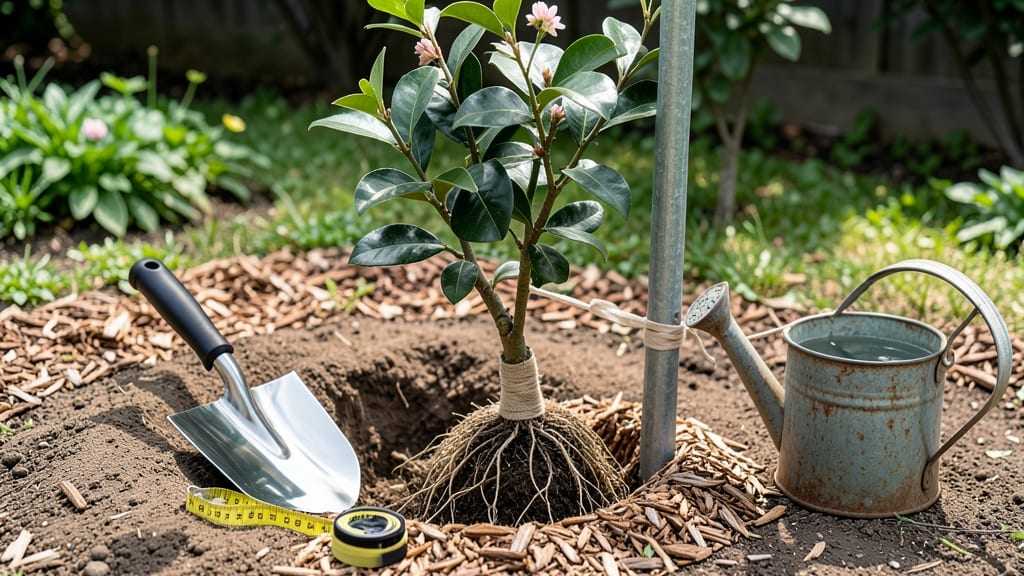
To plant fruit trees at the correct depth, learn how deep to plant fruit trees so the root flare—where roots meet the trunk—sits just above the soil line 🌳, ensuring strong growth and stability.
Planting a fruit tree too shallow or too deep can stunt its growth—or even kill it. Discover the exact root zone depth secrets to ensure your tree thrives for decades, from soil prep to planting techniques tailored for your climate.
Most gardeners overlook this critical step, leading to weak anchoring or rotting trunks. The right depth isn’t just about following a rule—it’s about creating the perfect environment for roots to spread and support your tree for years.
In this guide, you’ll learn species-specific planting depths, how to avoid common mistakes, and step-by-step techniques to get it right the first time—no guesswork needed.

The ideal root zone depth for fruit trees by species and soil type
Getting the root zone depth right when planting fruit trees is the difference between a thriving orchard and a struggling sapling. Most gardeners focus on soil type and watering schedules, but the depth you plant determines how well roots spread and anchor the tree.
The root flare—where roots meet the trunk—should always sit just above the soil line, never buried or exposed.
Different fruit trees have unique needs based on their native growing conditions. For example, citrus trees prefer slightly shallower planting in sandy soils, while apple and peach trees thrive with deeper root zones in loamy soil.
Even the same species may need adjustments if your soil is clay-heavy or well-draining. Let’s break down the exact planting depths for your favorite fruit trees.
For apple and cherry trees, aim for a 18-24 inch root zone in loamy soil, but adjust if your garden is clay-heavy. In clay soil, create a mound to prevent waterlogging, while sandy soil benefits from a deeper hole to encourage roots to spread downward.
Always backfill with native soil—never amended soil—to avoid disrupting the natural root environment.
Citrus trees, like lemons and oranges, prefer a shallower root zone (12-16 inches) because they’re native to well-draining, sandy soils. If your soil is heavy clay, mix in peat moss or perlite to improve drainage.
The root flare should barely peek above the soil line—burying it can cause trunk rot, while exposing it leads to weak anchoring.
Peach and nectarine trees strike a balance, needing 16-20 inches of root depth. These trees thrive in loamy soil but require extra care in clay soil, where a raised bed or soil mound prevents water from pooling around roots.
Always prune any circling roots before planting to encourage outward growth.
One of the biggest mistakes I see is ignoring the root flare entirely. If you bury it too deep, the tree may suffocate; if you plant it too high, it won’t anchor properly.
Use a level tool to check depth—dig a hole where the flare sits 2-3 inches above the rim before backfilling. For bare-root trees, soak roots for 4-6 hours before planting to reduce transplant shock.
After planting, create a 6-inch mulch ring around the base (but keep mulch away from the trunk) to retain moisture and regulate soil temperature. Water deeply once a week for the first month, then taper off as roots establish.
In sandy soils, water more frequently, while clay soils may need less frequent
Step-by-Step planting process to ensure maximum root development
Getting the planting depth right is the foundation for a strong, healthy fruit tree. The root flare—where roots meet the trunk—must sit just above the soil line. This ensures proper air circulation and prevents girdling (a common issue when buried too deep).
My foolproof method focuses on creating an ideal root zone without amendments that can disrupt natural growth patterns.
Start by digging a hole twice as wide as the root ball but only as deep as needed to accommodate the roots comfortably. The goal is to avoid compacting soil around the roots, which can restrict growth.
Use a shovel to loosen the sides of the hole—this mimics natural soil conditions and encourages roots to spread outward rather than circling the root ball.
- Width: 2x wider than root ball
- Depth: Match root flare height
- Loosen sides with shovel for root expansion
- Remove burlap or container if present
- Gently tease roots outward if circling
- Check for root damage and trim if needed
- Place tree so root flare is 1-2 inches above soil
- Ensure graft union (if present) is above soil line
- Fill hole with native soil (no amendments)
- Add soil in 3-inch layers, tamping lightly
- Water deeply after each layer to eliminate air pockets
- Mound soil to create a water well around base
- Apply 2-3 inches of mulch (keep away from trunk)
- Stake only if wind-prone (use soft ties)
- Avoid overwatering for first 2 weeks
The key to success is using native soil for backfilling—never mix in compost or fertilizer. These amendments can disrupt the root zone and encourage shallow root growth. Instead, let the tree’s roots naturally seek out nutrients in the surrounding soil.
After planting, create a water well by mounding soil around the base to direct water toward the roots.
Once planted, water deeply but avoid overwatering, which can suffocate roots. For the first few weeks, monitor soil moisture and adjust based on your climate zone. In hotter regions, you may need to water more frequently, while cooler areas can go longer between waterings.
A properly planted tree will show signs of strong growth within its first growing season.
Remember, the root flare is your guide—it should always remain visible above the soil. If you bury it too deep, the tree may struggle with trunk rot or poor nutrient uptake. With this method, your fruit tree will establish a robust root system and thrive for decades.