
Size
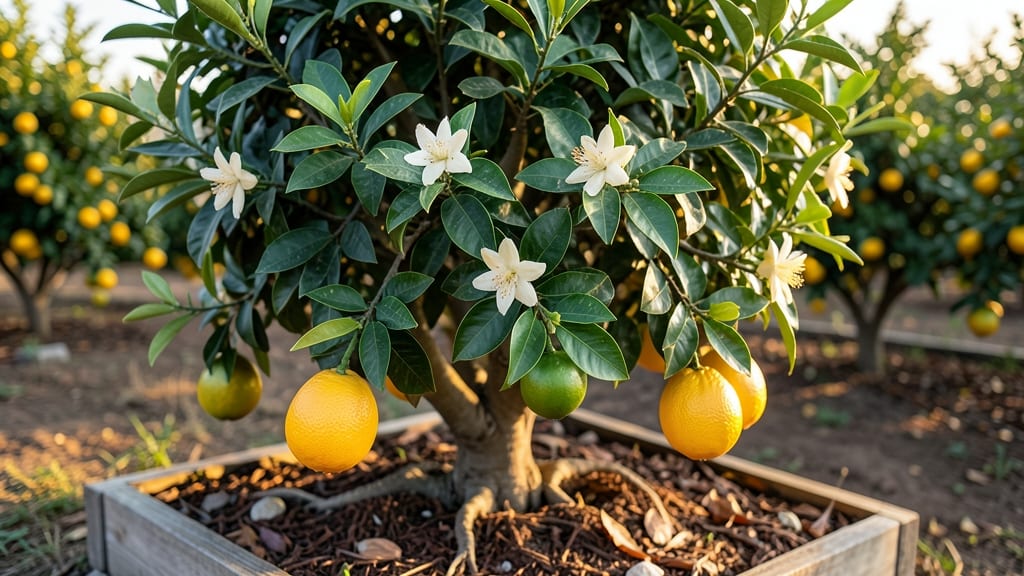
Grapefruits grow from tiny seeds into towering evergreens that reward you with tart-sweet fruit—if you give them the right conditions. 🌱 I’ve watched citrus trees transform my backyard from a blank space into a fragrant, sunlit grove, and the secret isn’t just sunshine—it’s patience and understanding their quirks, like how they hate soggy roots but thrive in well-draining soil.
The first step is choosing your tree: nursery-grown citrus (like 'Ruby Red' grapefruit) fruit in 3-5 years, while seed-grown trees take 10+ years—but the adventure of growing from seed makes every slow season worth it.
You’ll need full sun (6+ hours daily), frost-free winters, and a spot where temperatures stay above 20°F—unless you’re container-growing, which lets you move potted trees indoors when cold snaps hit.
By summer, your tree will be heavy with blossoms, and if pollinators visit, you’ll get fruit by fall. The real magic happens in year 3-4, when the tree matures enough to produce dozens of grapefruits—each one a testament to the care you’ve poured in.
Prune in late winter to shape the tree and improve airflow, and watch how the new growth bursts with glossy, aromatic leaves.
Container growing? Use a 15-gallon pot for dwarf varieties and swap soil every 2-3 years—citrus trees are heavy feeders. In colder zones, bring pots inside before winter, but keep them near a bright window.
The key is consistency: grapefruits don’t like surprises, whether it’s sudden temperature shifts or inconsistent watering.
📚 In This Guide
- What you need
- Instructions
- Tips and common mistakes
- Wrapping up and next steps
What you need
- ● Grapefruit seeds or sapling: 3–5 fresh, organic grapefruit seeds (if starting from seed) or
- ● 1 healthy 1–2-year-old grapefruit sapling (for faster results)
- ● Well-draining soil: 5–10 gallons of citrus-specific potting mix (or a blend of 60% peat moss, 30% perlite, and 10% sand)
- ○ Optional: 1 cup of compost or worm castings for nutrients
- ● Containers: 1–2 5–7 gallon pots with drainage holes (for saplings) or
- ● 1 large nursery pot (10+ gallons) if planting outdoors in warm climates
- ● Fertilizer: 1 balanced citrus fertilizer (e.g., 6-6-6 NPK ratio) or
- ● 1 cup of fish emulsion (organic option)
- ● Tools: 1 pair of pruning shears (for shaping and harvesting)
- ● 1 spray bottle (for misting seedlings)
- ● 1 thermometer (to monitor soil temp, ideal: 70–90°F)
- ○ Optional: 1 grafting kit (if grafting onto a rootstock like Citrus maxima)
- ● Hardiness zone: Grapefruit thrives in USDA Zones 9–11. For colder zones (7–8), grow in containers and bring indoors during winter.
- ● Sunlight: 6–8+ hours of direct sunlight daily (south-facing windows or outdoor space).
- ● Temperature: Daytime: 75–95°F (optimal for growth)
- ● Nighttime: Avoid temps below 40°F (can damage leaves/fruit)
- ● Water source: Access to chlorine-free water (rainwater or filtered tap water).
- ● 1 humidifier or pebble tray (for seedling humidity, especially indoors)
- ● 1 drip irrigation system (for consistent moisture in outdoor trees)
- ● 1 fruit thinning tool (to remove excess fruit and improve size/quality)
- ● 1 pollination aid (like a small brush) if growing indoors and needing hand-pollination
Step-by-step guide to growing grapefruit trees
Growing a grapefruit tree from seed to fruit-bearing maturity takes patience, but the process is straightforward when you follow these key stages.
🌱 Step 1: Start with Fresh Seeds and Proper Germination
Extract seeds from a fresh grapefruit—never use store-bought seeds, as they’re often treated to prevent sprouting. Rinse the seeds thoroughly to remove any pulp, then place them in a small container filled with lukewarm water for 24 hours. This softens the outer coating and speeds up germination. After soaking, lay the seeds between damp paper towels in a sealed plastic bag, keeping them in a warm spot (75-85°F).
Check the seeds daily—you’ll see tiny roots emerge within 3-7 days. Once roots reach about ½ inch, carefully transplant each seedling into a 4-inch pot filled with a well-draining citrus potting mix. Press the soil lightly around the seedling but avoid compacting it. Keep the soil consistently moist but never soggy, as overwatering can cause root rot.
☀️ Step 2: Provide Optimal Light and Gradual Hardening
After the first true leaves appear (2-3 weeks after transplanting), move the seedlings to a bright, indirect light location. Avoid direct sunlight at first, as young leaves are sensitive to intense rays. Gradually introduce morning sun over 1-2 weeks, then transition to full sun (6-8 hours daily) once the seedlings show 4-6 leaves. This hardening process strengthens the plants for outdoor conditions.
If growing in a USDA Zone 9-11, you can plant seedlings outdoors after the last frost. Choose a location with well-draining soil and full sun exposure. Dig a hole twice as wide as the root ball but no deeper. Gently remove the seedling from its pot, loosen the roots if they’re circling, and place it in the hole. Backfill with soil, firm it lightly, and water deeply to settle everything.
🪴 Step 3: Maintain Soil, Water, and Fertilization for Growth
Grapefruit trees thrive in slightly acidic to neutral soil (pH 6.0-7.0). Amend heavy clay soil with compost or sand to improve drainage. Water deeply once a week during the first growing season, allowing the top 2 inches of soil to dry out between waterings. Overwatering leads to root rot, while underwatering causes stress and poor fruit development. Mulch around the base with 2-3 inches of organic mulch to retain moisture and regulate soil temperature.
Fertilize young trees (1-3 years old) with a balanced citrus fertilizer (6-6-6 or 8-3-9) every 6-8 weeks during the growing season (spring through fall). Reduce fertilization in winter, as the tree enters dormancy. Watch for yellowing leaves, which may indicate iron deficiency—a common issue in alkaline soils. Apply chelated iron if needed, following package instructions.
⏰ Step 4: Prune for Shape and Fruit Production
Prune your grapefruit tree in late winter or early spring before new growth begins. Remove dead, diseased, or crossing branches to improve airflow and sunlight penetration. Thin out excessive growth to encourage larger fruit production. Avoid heavy pruning, as grapefruit trees produce fruit on older wood. Focus on shaping the tree rather than drastically reducing its size.
Once the tree reaches 3-5 years old, it may begin flowering. Hand-pollinate flowers by gently shaking branches to transfer pollen, especially in protected or indoor environments. Grapefruits typically take 3-5 years from seed to bear fruit, depending on growing conditions. Harvest fruit when it reaches full size and color, usually in late fall to winter, and leaves a slight give when gently squeezed.
✂️ Step 5: Protect and Prepare for Winter
In USDA Zones 8 and below, grapefruit trees need winter protection. Mulch heavily around the base and wrap the trunk with burlap or frost cloth to insulate roots. Young trees benefit from a mini greenhouse setup or moving pots to a garage or sheltered area during freezing temperatures. Avoid fertilizing in winter, as new growth is vulnerable to cold damage.
Monitor for pests like aphids, scale, or citrus leaf miners, which can stress the tree. Treat infestations early with neem oil or insecticidal soap, following label instructions. With proper care, a grapefruit tree can live for decades, producing fruit year after year. Patience is key—focus on healthy growth in the early years, and the tree will reward you with juicy, homegrown grapefruits in time.
Tips & tricks for growing healthy grapefruit trees
Here's what nobody tells you about nurturing these tropical beauties from seed to harvest.
Seed Selection: Choose seeds from organic, fresh grapefruits—conventional store-bought seeds often won't sprout. Look for plump, intact seeds with no cracks. I've found that seeds from Ruby Red varieties tend to germinate more reliably than white grapefruit seeds. After your 24-hour soak, gently rub the seeds between your fingers to remove any remaining pulp that might inhibit germination.
Germination Environment: The 75-85°F temperature range is crucial during germination. If your home runs cooler, place the sealed bag near a sunny window or use a seedling heat mat. I learned this the hard way after watching seeds fail to sprout in my 68°F kitchen. Keep the paper towels damp but not dripping—excess moisture creates anaerobic conditions that suffocate roots. Roots should emerge within 3-7 days, but patience pays off if you see nothing after a week.
Transplanting Technique: When transplanting those precious ½-inch roots into 4-inch pots, use your finger to create small holes in the citrus potting mix—this improves drainage and prevents waterlogging. I've seen beginners compact the soil too much, which restricts root growth. After planting, give the soil a gentle squeeze to ensure good contact with the roots, then water lightly. The key is consistent moisture without sogginess—citrus roots hate wet feet.
Light Transition Strategy: The gradual hardening process from indirect to morning sun to full sun is where most beginners fail. I recommend using sheer curtains to diffuse sunlight during the first week of morning sun exposure. This prevents sunburn on delicate new leaves. Once your seedlings have 4-6 leaves, they can handle full sun's intensity. Watch for yellowing leaves—they're screaming for more light or better drainage.
Pro Tips for How Do Grapefruits Grow
- Here's what nobody tells you about nurturing these tropical beauties from seed to harvest.
- Seed Selection: Choose seeds from organic, fresh grapefruits—conventional store-bought seeds often won't sprout.
- Germination Environment: The 75-85°F temperature range is crucial during germination.
Frequently asked questions
Got questions about growing grapefruits? You’re not alone! Here are some of the most common queries—plus straightforward answers to help you cultivate your own citrus tree with confidence.
How long does it take for a grapefruit tree to bear fruit?
A young grapefruit tree typically takes 3–5 years to produce fruit from seed, while grafted trees (common in nurseries) may bear fruit in 1–3 years. Patience is key—focus on proper care (sun, water, and soil) to speed up the process!
Can I grow a grapefruit tree in a pot, or do I need a yard?
Yes! Grapefruit trees thrive in large containers (15+ gallons) if you live in a warm climate (USDA Zones 9–11). Just ensure the pot has drainage holes and move it indoors during winter. Dwarf varieties are ideal for pots—perfect for patios or small spaces!
What happens if my grapefruit tree gets frost damage?
Grapefruit trees are sensitive to cold—temperatures below 28°F (-2°C) can harm leaves or fruit. If frost hits, cover the tree with a frost blanket or move potted trees indoors. Prune damaged branches in spring, and protect young trees with mulch for extra insulation.
Why aren’t my grapefruit tree’s flowers turning into fruit?
Several factors may prevent fruiting:
- Pollination issues: Hand-pollinate with a paintbrush if bees are scarce.
- Young age: Trees under 3–5 years may focus on growth over fruit.
- Nutrient deficiencies: Test soil for zinc or nitrogen—amend with citrus-specific fertilizer.
- Stress: Overwatering or extreme heat/drought can cause flower drop.
Can I grow grapefruits from a store-bought fruit?
Technically yes, but it’s hit-or-miss! Seeds from grocery-store grapefruits may not produce true-to-type fruit (or may take decades). For reliable results, buy a grafted tree from a nursery. If experimenting, plant seeds in moist soil and keep them warm—just don’t expect fruit soon!
Wrapping up and next steps
Growing grapefruits from seed to tree is a rewarding journey that combines patience, care, and a touch of tropical charm! Whether you’re nurturing a seedling or transplanting a young tree, understanding your climate zone and meeting the fruit’s needs will set you up for success.
With the right soil, sunlight, and a little love, you could soon enjoy the tangy sweetness of homegrown grapefruits—and maybe even share them with neighbors!
Ready to take the next step? Start small:
- Pick a sunny spot in your yard (or balcony!).
- Grab seeds from a ripe grapefruit—your adventure begins now!
- Share your progress with fellow gardeners for tips and inspiration!