
Propagation
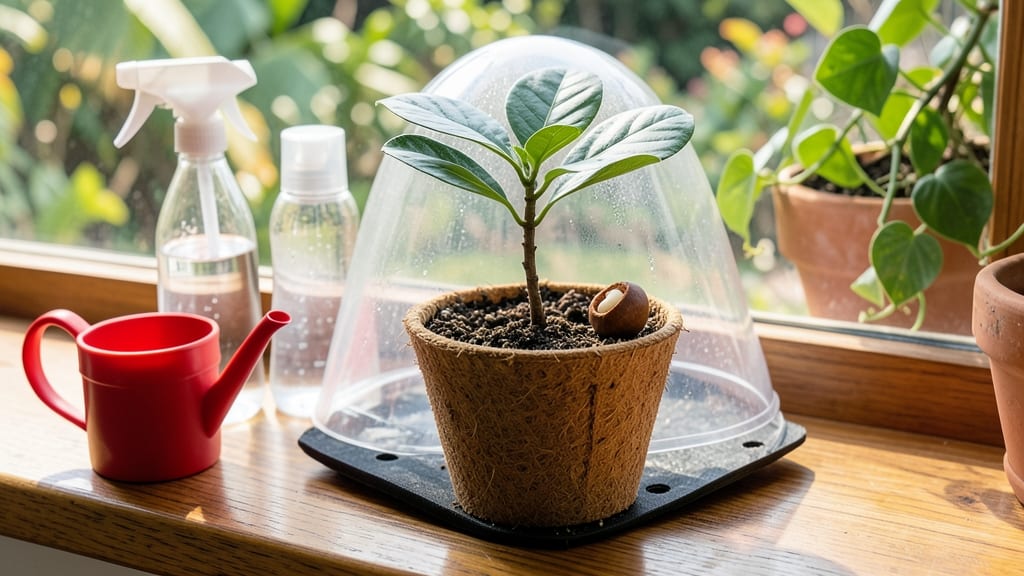
Growing a grapefruit tree from seed means tropical sunshine on your windowsill or patio in just three years. 🌱 I’ve watched these slow-growing beauties transform from tiny seeds into leafy giants, and the process is surprisingly rewarding—even if the fruit won’t be store-quality.
The key is patience and mimicking their natural jungle habitat.
You’ll need bright light (6+ hours daily), a well-draining mix of potting soil and perlite, and a warm spot (70-80°F). Start seeds indoors in spring, keep them moist but not soggy, and expect germination in 4-8 weeks.
The first leaves will be tiny and delicate—handle them like glass. Transplant outdoors only after the last frost when the tree’s at least 3 feet tall.
By year three, you’ll have a sturdy, glossy-leaved tree that thrives in containers or the ground. While homegrown grapefruit may be tart or seedy, the scent alone is worth it.
Plus, the glossy foliage makes a stunning tropical statement. Just don’t expect grocery-store fruit—this is a decorative (and occasionally productive) experiment.
For indoor growers, supplement with grow lights in winter. Outdoor trees need winter protection in colder zones. The real magic? Watching those first citrus-scented leaves unfurl, knowing you grew it from a seed. Here’s how to keep it thriving—step by step.
📚 In This Guide
- What you need
- Instructions
- Tips and common mistakes
- Wrapping up and next steps
What you need
- ● Grapefruit seeds: 3–5 fresh, plump seeds (the more, the better—some may not sprout!)
- ● Small pots or seed trays: 2–3 (4–6 inches deep) with drainage holes
- ● Well-draining potting mix: 2–3 bags (look for a blend labeled for citrus or cacti/succulents)
- ● Watering can or spray bottle: With a fine mist setting (to avoid waterlogging)
- ○ Plastic wrap or clear dome: To create a humidity tent (optional but helpful for germination)
- ● Grow lights or sunny windowsill: A south-facing window or a 12–16 hour LED grow light
- ● Fertilizer (balanced or citrus-specific): 5-5-5 or 10-10-10 NPK ratio (start with a diluted dose)
- ● Tweezers or toothpick: For gently placing seeds in soil
- ○ Heat mat (optional): Keeps soil warm (70–85°F) to speed up germination
- ● Spray bottle with water: For misting without overwatering
- ● Larger container (1–2 gallons): For transplanting seedlings after 3–4 months
- ● Pruning shears: For shaping the tree once it’s established
- ● Mulch or pebbles: To retain moisture and regulate soil temperature
Step-by-step instructions for growing a grapefruit tree from seed
Here's the method I've used to coax grapefruit trees from stubborn seeds—it takes patience, but the payoff is worth it.
🌱 Step 1: Extract and Prepare the Seeds
Start with fresh, organic grapefruit—conventional ones often have wax coatings that inhibit germination. Cut the fruit in half and scoop out the seeds, then rinse them thoroughly under cool water to remove any pulp residue. I like to soak the seeds in a bowl of warm water for 12-24 hours to soften the outer coating and speed up germination.
After soaking, gently rub the seeds between your fingers to remove any remaining membrane. This step ensures the seed's protective layer doesn't slow down sprouting. Place them on a paper towel and let them dry slightly for 30 minutes—just until they feel slightly damp but not wet. This prevents mold when you plant them.
💧 Step 2: Plant the Seeds for Germination
Fill a small 4-inch pot with well-draining seed-starting mix, leaving about ½ inch of space at the top. Moisten the mix until it's damp but not soggy—you should be able to squeeze a handful without water dripping out. Press the soil down lightly to remove air pockets, then make ¼-inch-deep holes about 1 inch apart using your finger or a pencil.
Place one seed per hole and cover them lightly with soil, pressing down just enough to ensure good contact. Water gently with a spray bottle until the soil surface looks uniformly moist. Place the pot in a warm, dark location (like on top of a refrigerator) where the temperature stays between 75-85°F. This warmth mimics tropical conditions and encourages faster germination.
☀️ Step 3: Care for Seedlings Until Transplant
Germination can take 2-4 weeks, so be patient. Once the first true leaves (not the initial seed leaves) appear, move the seedlings to a bright, indirect light spot. Avoid direct sunlight at first—young leaves can scorch easily. I use a grow light on a 12-hour cycle to supplement natural light if needed.
Water the seedlings when the top inch of soil feels dry, but avoid letting the soil stay soggy. Overwatering is the #1 killer of young citrus trees. After 4-6 weeks, when the seedlings have 3-4 sets of true leaves, it's time to transplant them into 6-inch pots with fresh potting mix. This step prevents root-bound issues and gives them room to grow stronger.
🪴 Step 4: Transition to Outdoor Conditions
Once the weather warms up and there’s no risk of frost, gradually introduce your grapefruit tree to outdoor conditions. Start by placing the pot in a sheltered, shaded spot for 2-3 hours the first day, then slowly increase exposure over 10-14 days. This process, called hardening off, helps the plant adjust to wind, sun, and temperature fluctuations without shock.
After a week of outdoor acclimation, you can move the pot to a sunny location with at least 6 hours of direct sunlight daily. Grapefruit trees thrive in full sun, but young plants may need afternoon shade in extremely hot climates. Keep the soil consistently moist but well-drained—citrus trees hate "wet feet."
⏰ Step 5: Long-Term Care for Fruit Production
In 2-3 years, your grapefruit tree will be ready for its first flowering and fruiting attempt. To encourage fruit production, fertilize with a balanced citrus fertilizer (like 6-6-6) every 4-6 weeks during the growing season. Prune lightly to shape the tree and remove any dead or diseased branches, but avoid heavy pruning—citrus trees produce fruit on older wood.
Watch for pests like scale insects or aphids, which love citrus trees. A strong spray of water or neem oil can keep them at bay. If you live in a colder climate, bring the pot indoors before temperatures drop below 40°F—grapefruit trees are tropical and won’t survive frost. With consistent care, you’ll see your first grapefruits in 3-5 years!
Tips & tricks for growing a grapefruit tree from seed
Here's what I wish I'd known before starting my own grapefruit tree journey—these little details make all the difference between a thriving plant and a sad, wilted experiment.
Seed Selection Tip: Don't just grab any grapefruit seeds! Choose fruit from a healthy, mature tree if possible—these seeds often germinate faster and produce stronger seedlings. I've found that Ruby Red grapefruit seeds sprout particularly reliably. If you're using store-bought fruit, pick one with thicker seeds (they're usually more mature). The size of the seed correlates with its potential vigor—aim for seeds that are at least ½-inch long.
Germination Environment: That 75-85°F range for germination is crucial, but don't stress about exact thermometers. A warm spot like on top of your fridge works perfectly, but if your home runs cooler, consider creating a mini greenhouse effect by covering the pot with clear plastic wrap (just poke a few holes for airflow). I've had great success using a seedling heat mat set to 80°F—it speeds up germination from 2-4 weeks to just 10-14 days. The key is consistent warmth without overheating.
Transplanting Strategy: When you're ready to move your seedlings to 6-inch pots after 4-6 weeks, here's my pro move: Gently squeeze the sides of the small pot to encourage the root ball to form before transplanting. This prevents root damage during the transfer. Also, use a pot with drainage holes and fill the bottom 1-inch with small pebbles or broken pottery pieces—this creates crucial air space at the bottom that prevents root rot, which is deadly for citrus trees. I've lost count of how many seedlings I've saved this way!
Sunlight Transition: That gradual outdoor acclimation is non-negotiable, but here's how I make it foolproof: Start with just 1-2 hours of morning sun on day one, then add 30 minutes each subsequent day. Watch your seedlings closely—if leaves start curling or yellowing, they're getting too much sun too soon. In my climate, I've found that moving plants to their final sunny spot too quickly is the #1 reason for early seedling failure. Remember, citrus trees are tropical—they're used to gentle sun transitions in their natural habitat.
Pro Tips for Grow A Grapefruit Tree From Seed
- Here's what I wish I'd known before starting my own grapefruit tree journey—these little details make all the difference between a thriving plant and a sad, wilted experiment.
- Seed Selection Tip: Don't just grab any grapefruit seeds!
- Germination Environment: That 75-85°F range for germination is crucial, but don't stress about exact thermometers.
Frequently asked questions
Got questions?
Growing a grapefruit tree from seed is rewarding but comes with its own set of curiosities. Here are answers to the most common queries to help you navigate the process like a pro.
How long does it take for a grapefruit seed to sprout?
A grapefruit seed typically sprouts within 1 to 3 weeks if kept in warm, moist conditions. Patience is key—some seeds may take longer, especially if they’re older or stored improperly. Keep the soil consistently damp (not soggy) and place the pot in a warm spot, like near a sunny window or under a grow light.
Will my seed-grown grapefruit tree produce fruit?
While it’s possible, seed-grown grapefruit trees rarely produce true-to-type fruit—meaning the fruit may differ in size, taste, or even variety from the parent tree. For reliable fruit production, grafted trees are the way to go. If you’re growing for novelty or ornamental purposes, though, your seedling could still yield surprises!
Can I grow a grapefruit tree indoors?
Yes, but with caveats! Grapefruit trees thrive outdoors in USDA Zones 9–11, but you can grow them indoors in pots if you provide bright, indirect light (6+ hours daily) and maintain humidity. A sunny windowsill or grow lights work well. Just be ready to move it outdoors in summer for optimal growth and flowering.
Why aren’t my grapefruit seedlings growing?
Slow growth could stem from a few issues: lack of sunlight, overwatering (root rot risk!), or nutrient deficiencies. Check your seedling’s soil—it should be slightly moist but well-draining. If leaves yellow or droop, adjust watering or fertilize lightly with a balanced citrus fertilizer. Pests like aphids or mites can also hinder growth; inspect leaves regularly.
Can I use store-bought grapefruit seeds?
Store-bought seeds work just like fresh ones
—just ensure they’re plump and firm. Some commercial grapefruits are treated to prevent sprouting, so if your seeds refuse to germinate, try soaking them in warm water for 24 hours to encourage growth. Pro tip: Choose organic or seed-saving varieties for the best chances of germination.
Wrapping up and next steps
Growing a grapefruit tree from seed is a rewarding journey that blends patience with the joy of nurturing life.
While it may take 3-5 years for your seedling to bear fruit, every step—from planting to pruning—brings you closer to a tropical treasure right in your backyard. 🌱✨ Don’t let the wait discourage you; embrace the process and celebrate small victories, like your first leaves or blossoms!
Ready to take the next step? Once your tree is thriving, explore grafting techniques to speed up fruiting or research optimal care tips for long-term success. Your green thumb is already on the right path—keep growing!