
How To
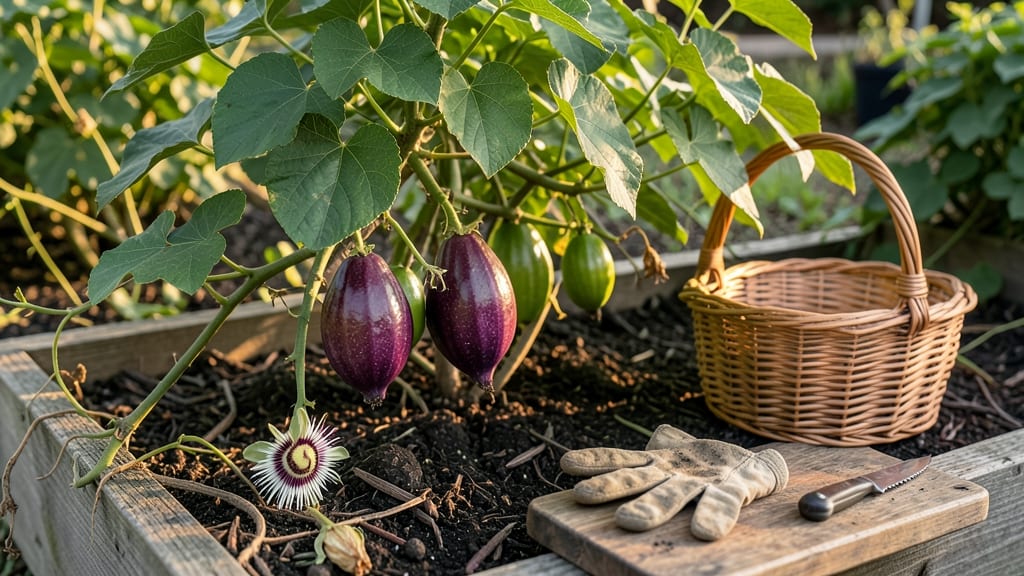
Knowing when passion fruit 🍈 is ripe is the secret to unlocking its sweetest, most flavorful moments—because one wrong pick can turn a juicy reward into a bland disappointment.
Picture this: you’ve waited months for your passion fruit vine to produce, and now the fruit is changing color. But how do you know if it’s just ripe—or still too soon?
The answer lies in three simple tests that take less than 10 seconds each, and they’ll save you from the frustration of picking too early (or too late).
From the way the skin shifts from green to golden or purple to deep red, to the subtle give when you press it gently, these clues don’t require a degree in botany.
Even the stem’s behavior gives away the ripest fruit, and I’ll show you exactly what to look for—no guesswork involved.
By the end, you’ll harvest passion fruit at its peak every time, turning your vine’s bounty into smoothies, desserts, or fresh slices that taste like sunshine. Let’s dive into the three foolproof ways to spot ripe passion fruit before you even think about cutting it open.


3 Visual and physical tests to check passion fruit ripeness
Passion fruit ripeness can be tricky—one wrong pick, and you’re left with bland, seedy disappointment. Unlike some fruits that ripen off the vine, passion fruit must be harvested at peak ripeness for the best flavor.
I’ve spent years growing these tropical vines, and I’ve learned the three foolproof tests that take the guesswork out of harvesting. These methods work for both purple passion fruit and yellow passion fruit, though their color cues differ slightly.
The key is combining visual cues, physical tests, and even scent analysis. Passion fruit doesn’t just change color—it transforms in texture and aroma too. Ignore one test, and you might end up with fruit that’s either too tart or overly mushy.
Let’s break down the science-backed steps that’ll have you picking passion fruit like a pro, every single time.
- 1 Color Transformation: Purple passion fruit shifts from green to deep purple (sometimes with yellow patches), while yellow varieties turn bright yellow or orange. Look for 70-80% color change—this signals sugar development inside.
- 2 Gentle Pressure Test: Press the fruit gently—ripe passion fruit should yield slightly like a ripe avocado (not hard or mushy). If it springs back, it’s underripe; if it feels squishy, it’s overripe. This flexibility test is my secret weapon for perfect picks.
- 3 Stem Separation: Twist the fruit gently at its stem—if the stem dries and separates easily (without tearing the fruit), it’s ready. A fresh, green stem means the fruit needs more time. This botanical cue tells you the fruit’s internal sugars have peaked.
Let me share a pro tip: morning harvests are ideal because passion fruit releases more aroma in cooler temperatures. I’ve found that fruits picked in the morning taste sweeter and hold their flavor longer after storage.
If you’re growing yellow passion fruit, they often ripen faster than purple varieties—so check them every 2-3 days once they start changing color.
One common mistake I see is relying only on color. Some passion fruit will turn the "right" hue but still taste bland if they haven’t passed the pressure test. That’s why I always combine all three methods.
For example, a purple passion fruit might look ripe but feel rock-hard—this means it needs 3-5 more days on the vine. Patience is key here!
Here’s another trick: smell the fruit. Ripe passion fruit emits a sweet, tropical aroma near the stem. If you’re getting no scent, the fruit isn’t ready yet. This scent test works especially well for yellow passion fruit, which can be trickier to judge by color alone.
Think of it like a natural ripeness alarm system—your nose knows before your eyes!
For container-grown passion fruit, ripeness tests are even more critical because vines in pots often produce smaller, less predictable fruit. I’ve had to adjust my pressure test slightly for container varieties—they tend to ripen more quickly, so I look for earlier color changes (around 60% instead of 70%).
Always check the soil moisture too; underwatered vines produce fruit that ripens unevenly.
Once you’ve mastered these tests, you’ll never second-guess your passion fruit harvest again. The color shift, gentle give, and stem separation form a perfect trio of cues that work in any climate—from Florida’s humidity to California’s dry heat.
Start practicing these methods now, and you’ll be enjoying bursting, sweet passion fruit in no time.
Remember: overripe passion fruit becomes mealy and loses its vibrant flavor, while underripe fruit stays tart and seedy. These tests ensure you hit that sweet spot every harvest. Happy picking—and may your passion fruit vines be forever fruitful!
How to test passion fruit ripeness without cutting it open
Testing passion fruit ripeness without slicing it open saves time and preserves your harvest. Instead of guessing, use gentle pressure tests, scent analysis, and stem separation checks to confirm ripeness.
These methods work for both yellow passion fruit and purple varieties, ensuring you pick fruit at its peak sweetness.
Start by examining the fruit’s skin color—ripe passion fruit shifts from green to yellow, orange, or deep purple (depending on the variety). This color change signals the fruit is nearing maturity. Next, focus on texture and scent, two key indicators that don’t require cutting the fruit open.
⚠️ WARNING: Overripe vs. Ripe Passion Fruit Don’t confuse ripe with overripe! Overripe passion fruit feels mushy when pressed and emits a fermented, alcoholic scent—a sign it’s past its prime. Ripe fruit should yield slightly to gentle pressure (like a ripe avocado) but remain firm.
If the skin wrinkles or the stem detaches easily, it’s likely overripe. Harvest at the first signs of softness to avoid waste.
Use the gentle squeeze test as your first non-destructive check. Press your thumb and index finger lightly against the fruit’s skin. A ripe passion fruit will give just enough to indicate softness without feeling mushy.
If it feels rock-hard, it’s underripe; if it indents too easily, it’s overripe. This test works best when combined with the stem separation check.
Check the stem near the fruit—ripe passion fruit often shows a drying or shrinking stem where it attaches to the vine. Gently twist the fruit to see if it separates easily.
If the stem snaps cleanly (without tearing the fruit), it’s ready for harvest. Avoid pulling too hard, as this can damage the vine or cause the fruit to split.
Finally, trust your nose. A ripe passion fruit releases a sweet, tropical aroma near the skin. If you smell nothing, the fruit is underripe; if you detect a fermented or sour smell, it’s overripe.
This scent test is especially useful for purple passion fruit, which can be harder to judge by color alone.
Combine these three tests—color change, gentle pressure, and stem separation—to confidently pick passion fruit at its sweetest. Harvest in the morning when temperatures are cooler to preserve freshness, and store ripe fruit in a cool, dry place for up to one week.
With practice, you’ll master the art of spotting perfect passion fruit every time! 🍈