I still remember the first tomato I grew from seed—it was the size of a marble, but it tasted like sunshine. My grandparents had a small garden in Ohio, and those summers taught me that soil, patience, and a little rain make the magic happen.
This site is where I share the lessons I’ve learned, the plants that thrive in my backyard, and the joy of watching something grow from nothing. No fancy degrees, just dirt under my nails and a love for the green stuff.
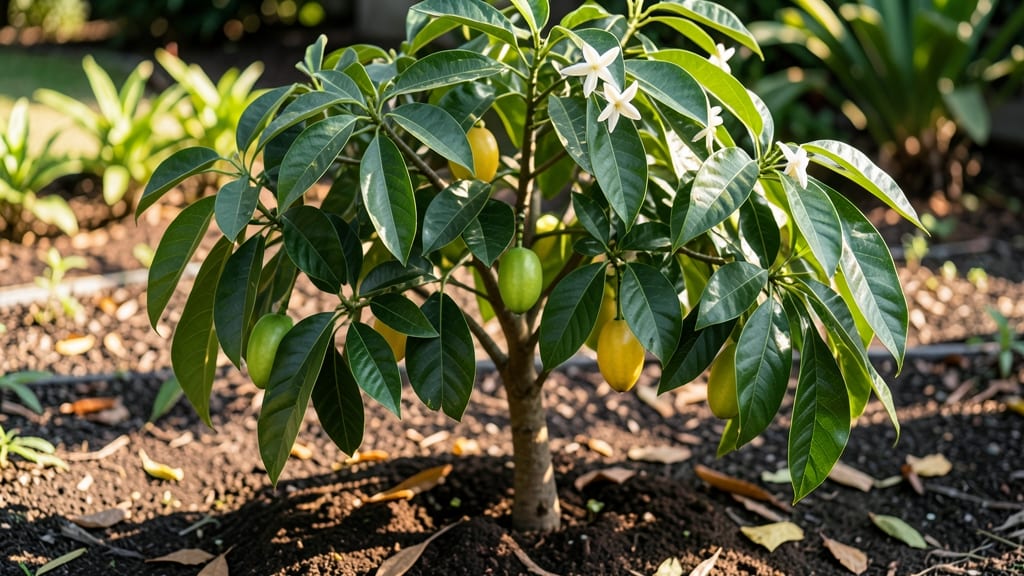
💥 Quick Answer Star fruit grows best in USDA hardiness zones 10 through 12, where warm temperatures stay above 30°F year-round. Exposure to freezing temperatures below 28°F will kill the plant, so frost protection is…
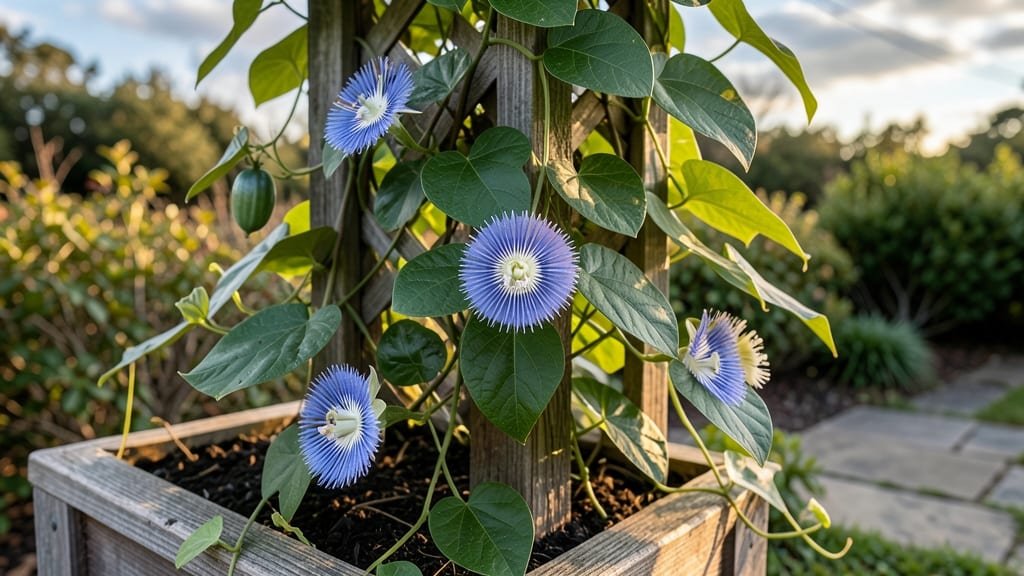
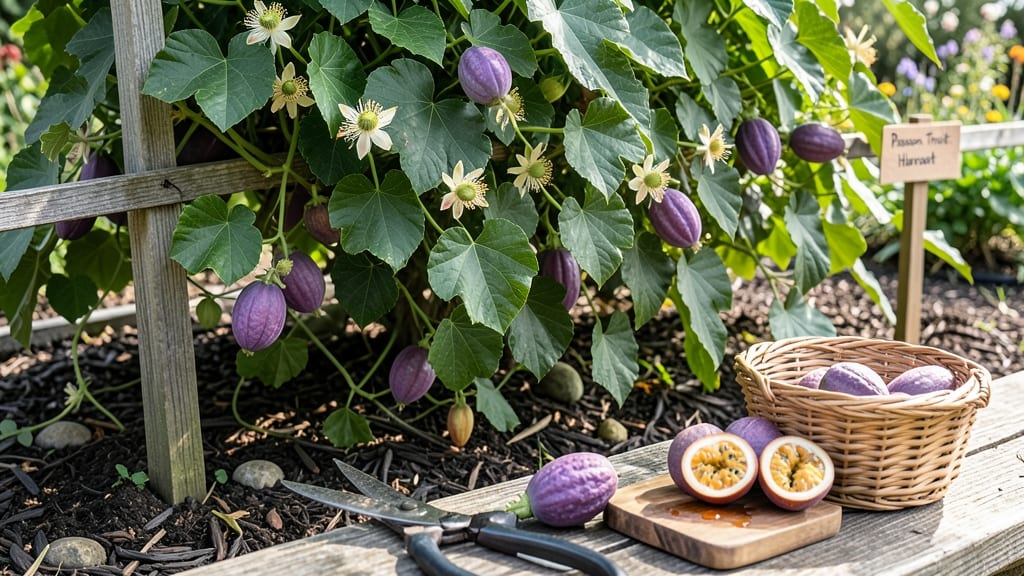
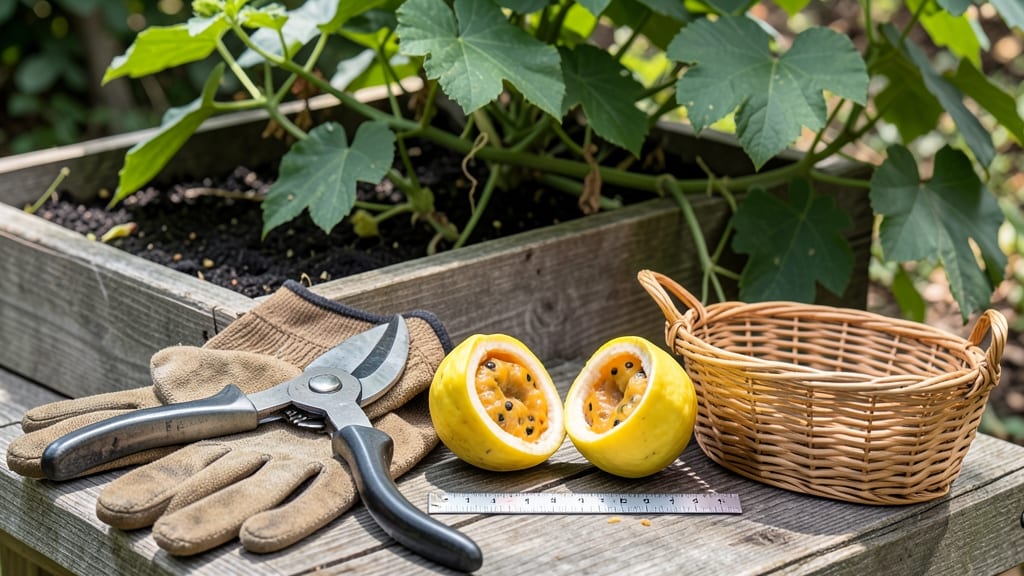
Harvesting passion fruit at the right time means the difference between a burst of tropical sweetness and a bitter, seedy disappointment—so timing is everything. Picking too early gives you a meal of tough skin and…
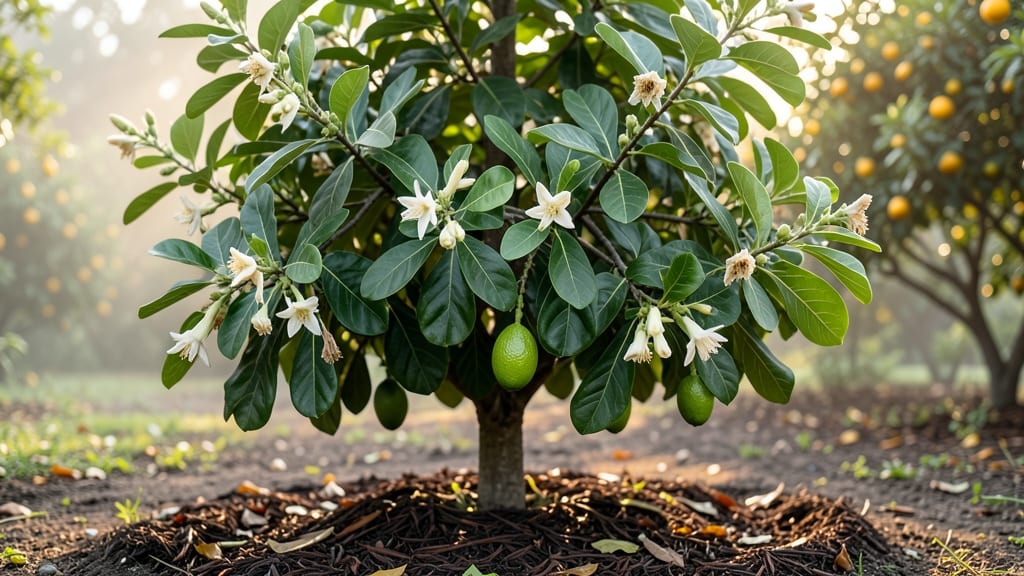
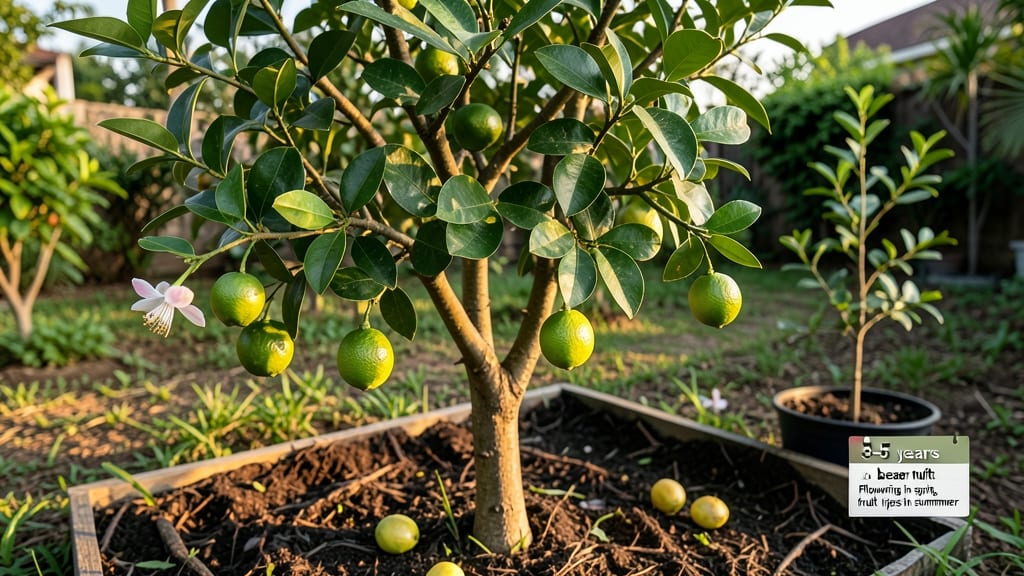
💥 Quick Answer Lime trees typically take 2 to 5 years to bear fruit, though this timeline varies dramatically by variety, climate conditions, and proper care. Dwarf varieties often produce fruit in as little as 1 to 2…
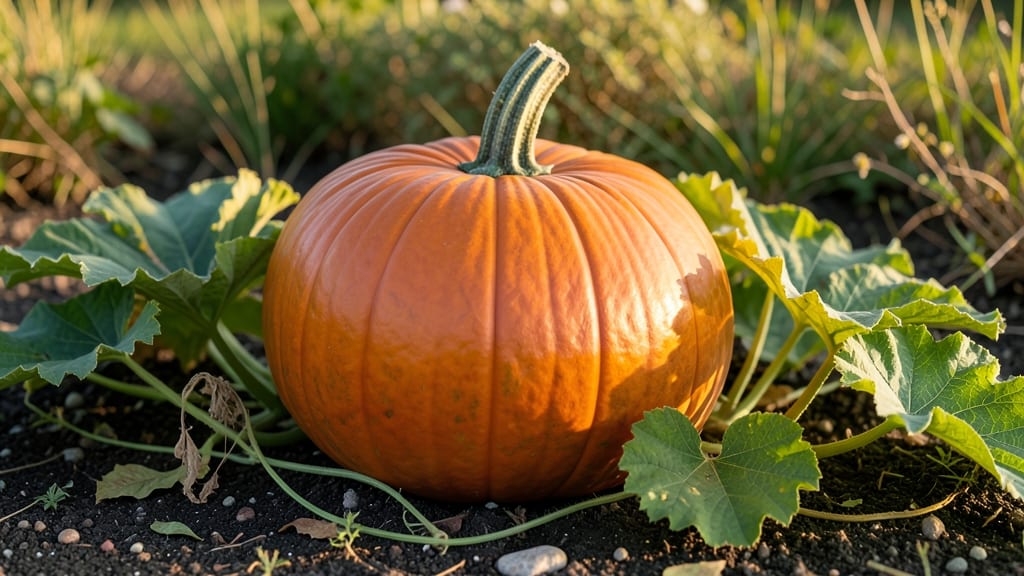
💥 Quick Answer The largest fruit is the pumpkin, with the heaviest recorded specimen weighing 2,624.6 pounds (1,190.5 kg) grown by Mathieu Charbonneau in 2021, surpassing previous records by over 200 pounds. Giant…
You should fertilize fruit trees in early spring and mid-summer to fuel growth and fruit production, aligning with their natural cycles. Picture this: your 🌳 thrives in March with vibrant new leaves, only to wilt by…
To pick grapefruit in Arizona at the perfect moment means waiting for November’s peak sweetness when the fruit is fully colored, heavy for its size, and releases a strong citrus aroma. Picture this: a 🍊 Ruby Red…
To plant fruit trees in Texas at the right time means avoiding years of wasted effort —especially when chill-hour needs clash with your zone’s frost patterns. Picture this: You’ve spent months picking the perfect 🍎…
Planting fruit trees in Utah requires knowing the exact chill-hour and frost-free timing for your region—miss it, and your 🍎 saplings could freeze before they even leaf out. Utah’s climate is anything but simple: high…
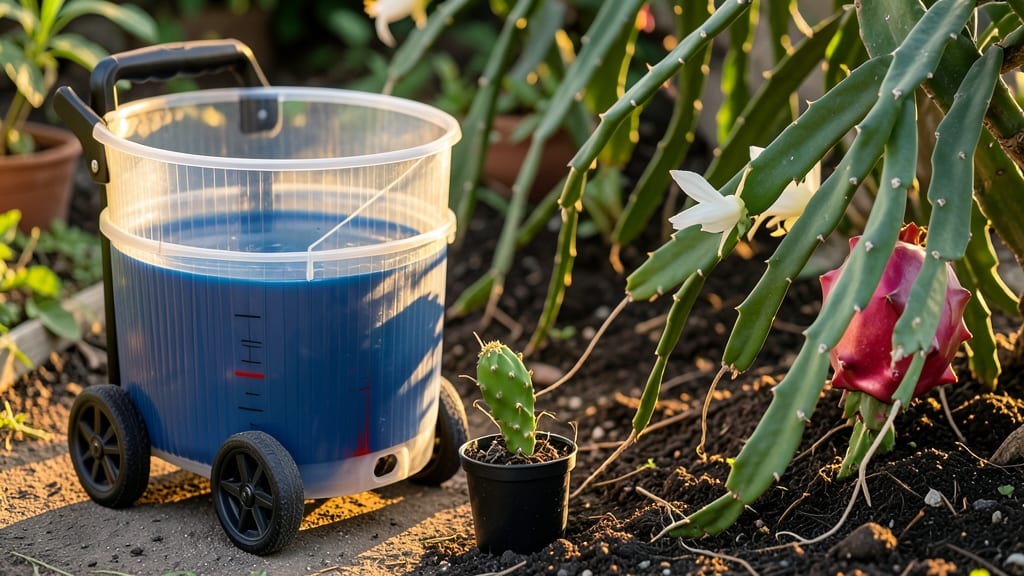
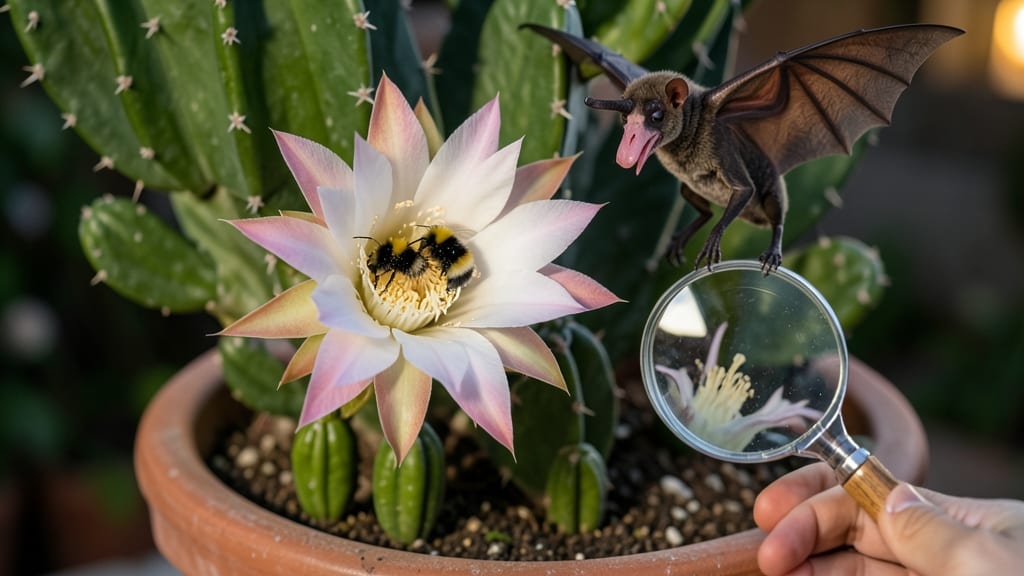
💥 Quick Answer Dragon fruit pollinators—including bats, moths, and beetles—play a crucial role in transferring pollen between night-blooming flowers, directly impacting fruit development. The lesser long-nosed bat…
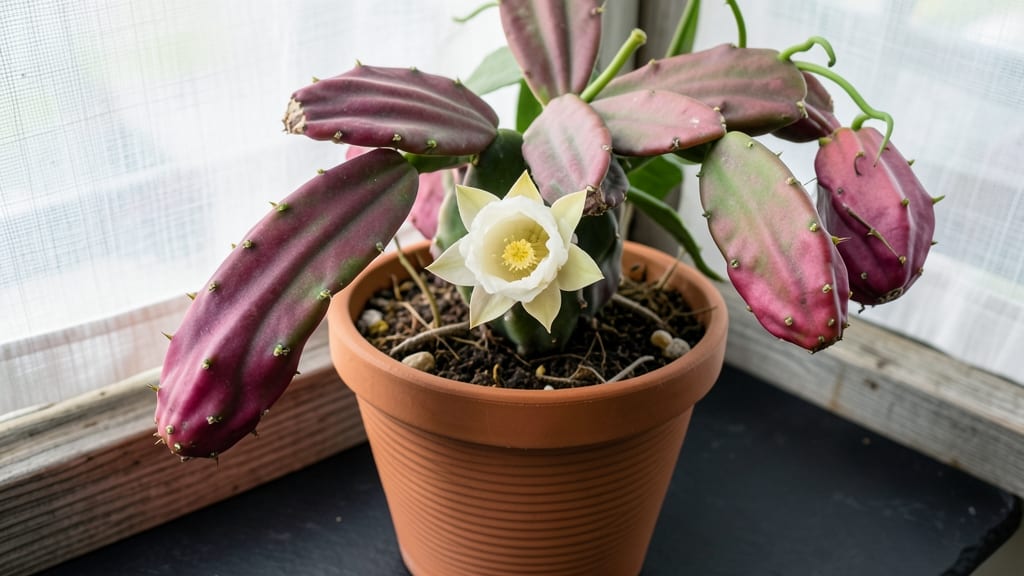
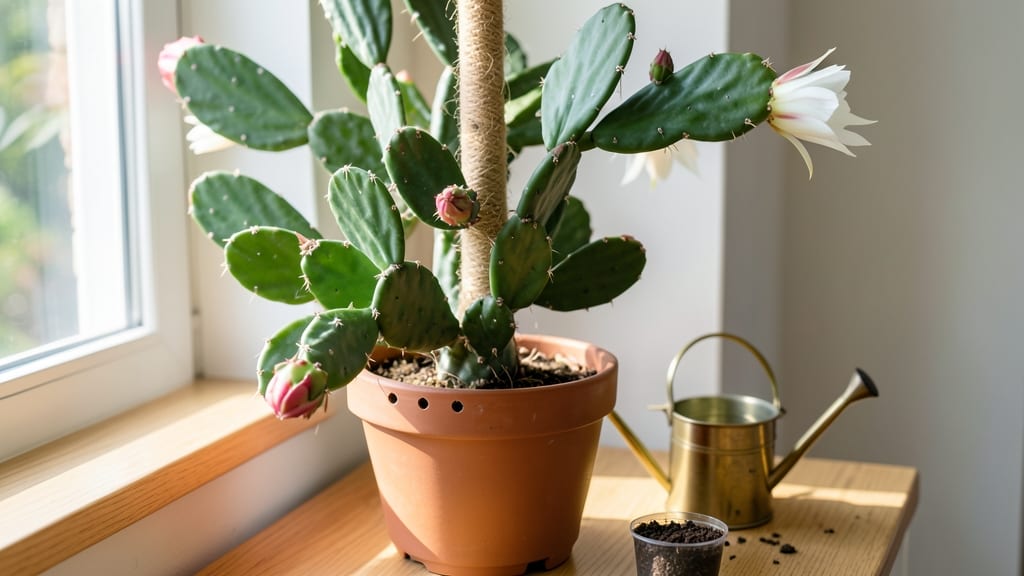
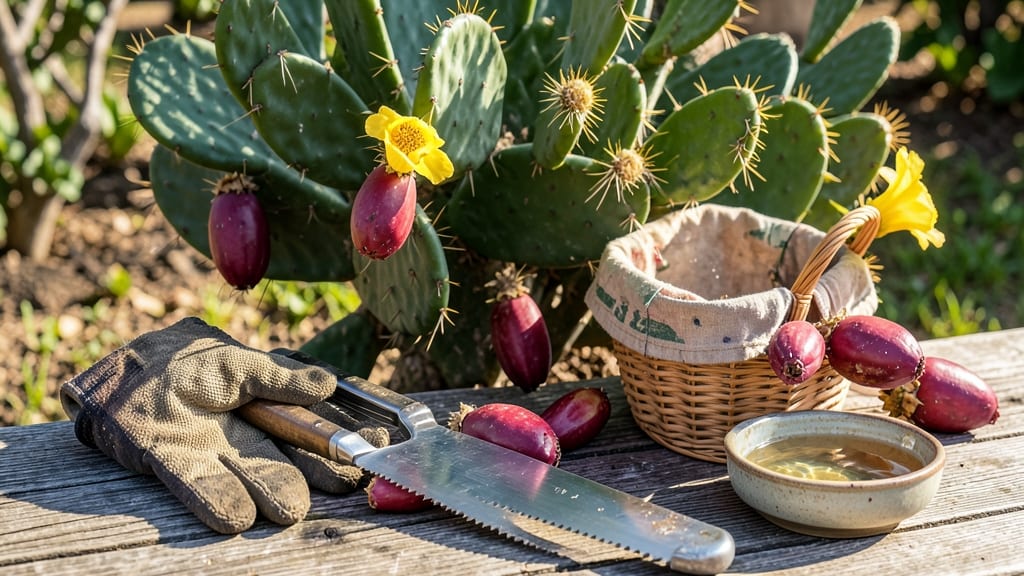
💥 Quick Answer Fruits that grow on cactus plants include prickly pear (tuna) and dragon fruit (pitaya), both prized for their sweet, nutritious flesh and vibrant colors. Prickly pear has a mild, tangy flavor, while…