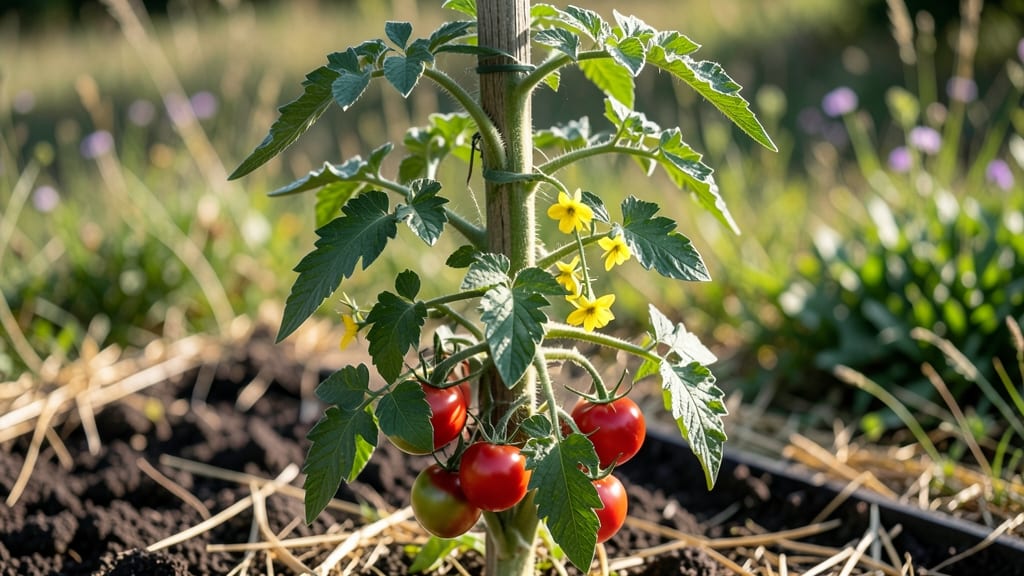
I still remember the first tomato I grew from seed—it was the size of a marble, but it tasted like sunshine. My grandparents had a small garden in Ohio, and those summers taught me that soil, patience, and a little rain make the magic happen.
This site is where I share the lessons I’ve learned, the plants that thrive in my backyard, and the joy of watching something grow from nothing. No fancy degrees, just dirt under my nails and a love for the green stuff.
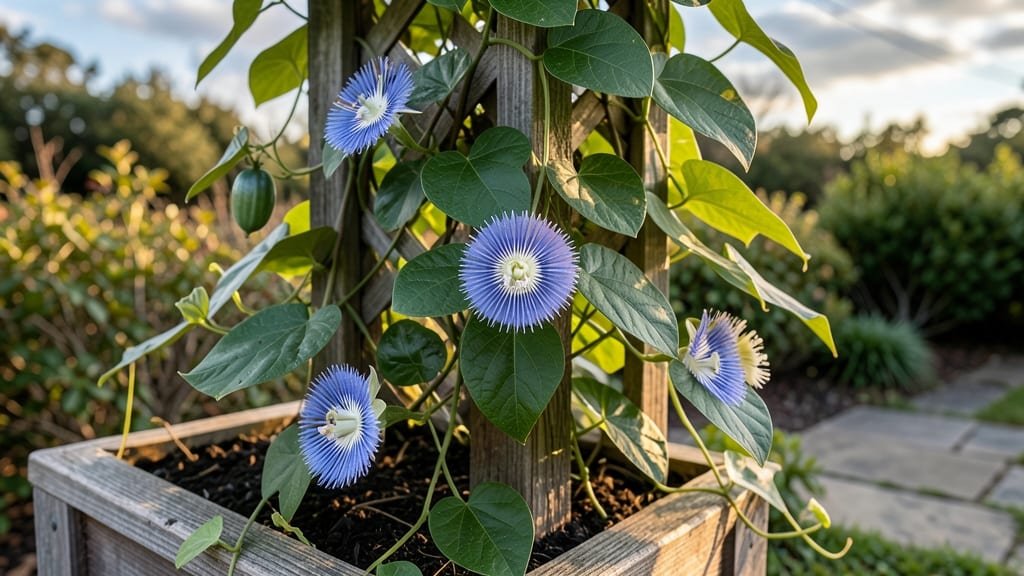
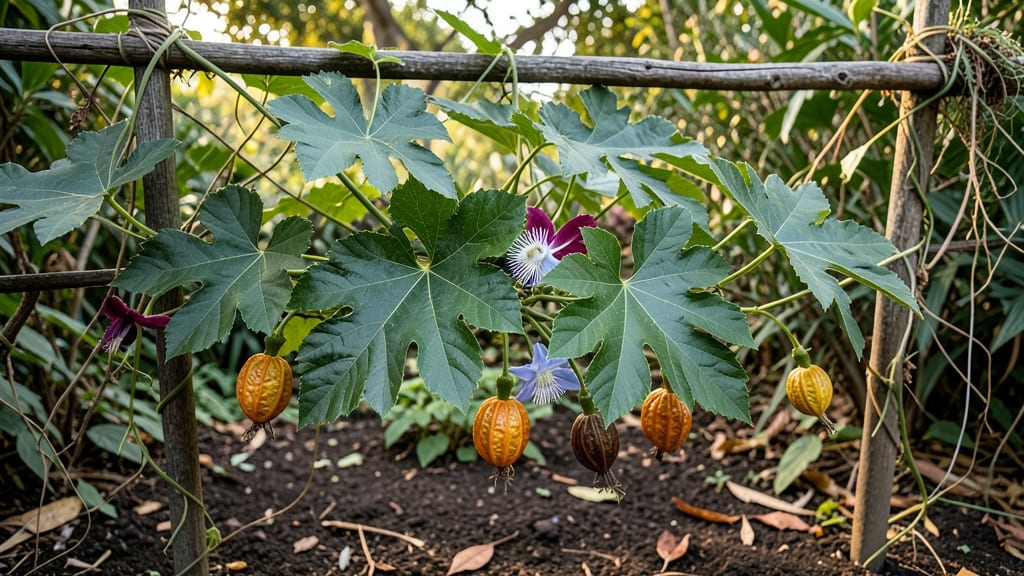
💥 Quick Answer Passion fruit is native to the subtropical regions of South America, particularly Brazil and Paraguay, where it grows wild in tropical vine habitats. Indigenous peoples cultivated it for centuries before…
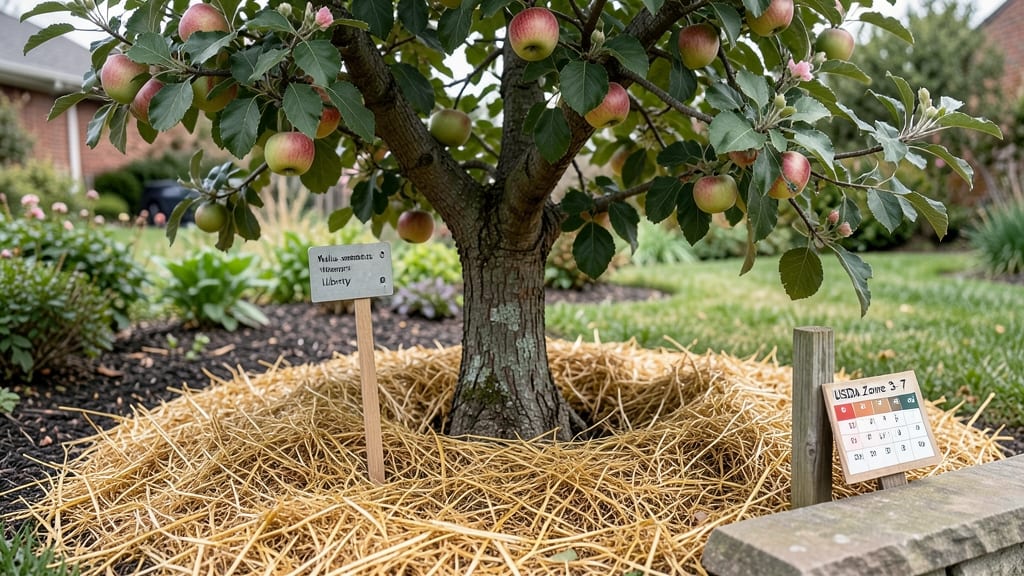
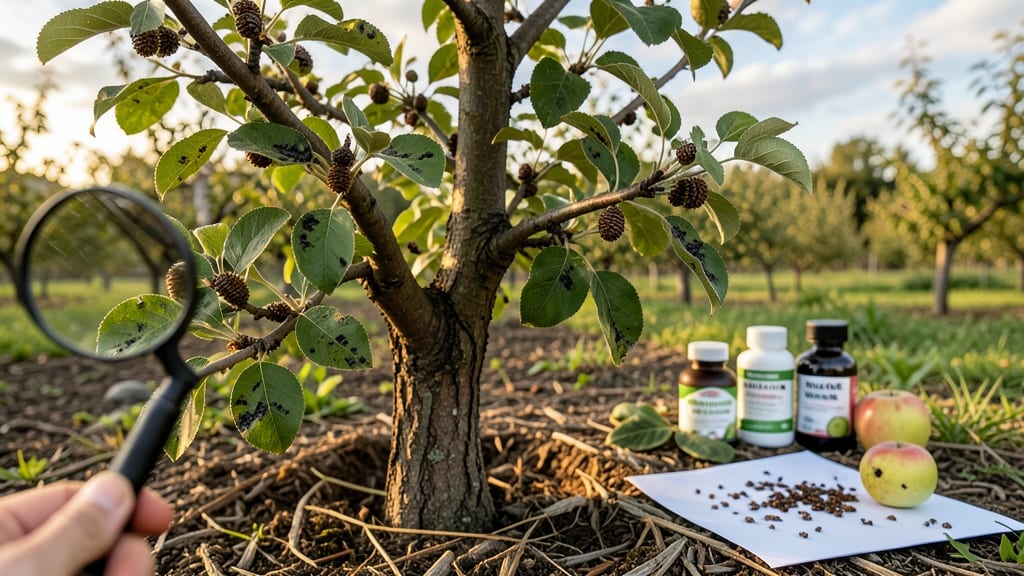
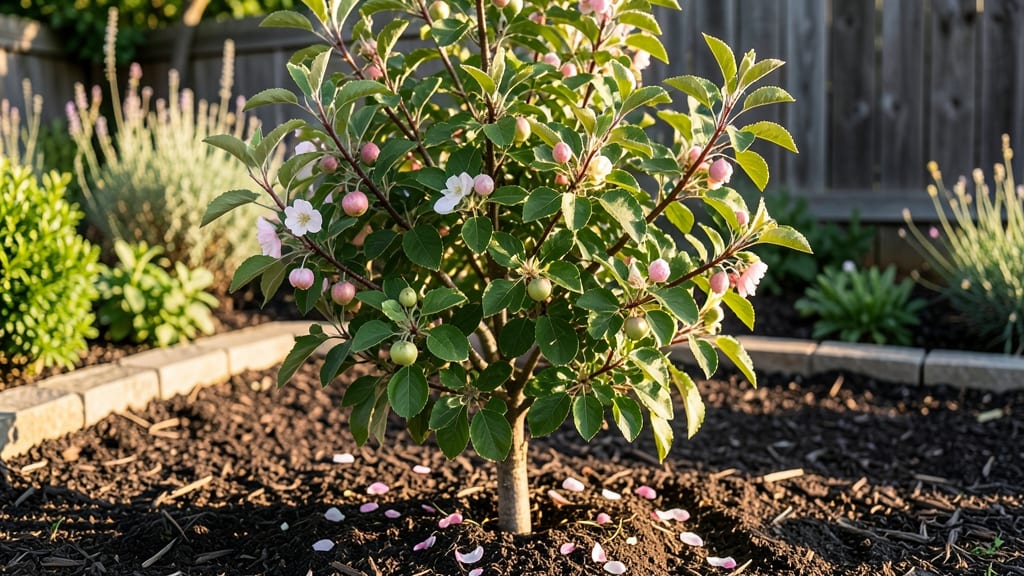
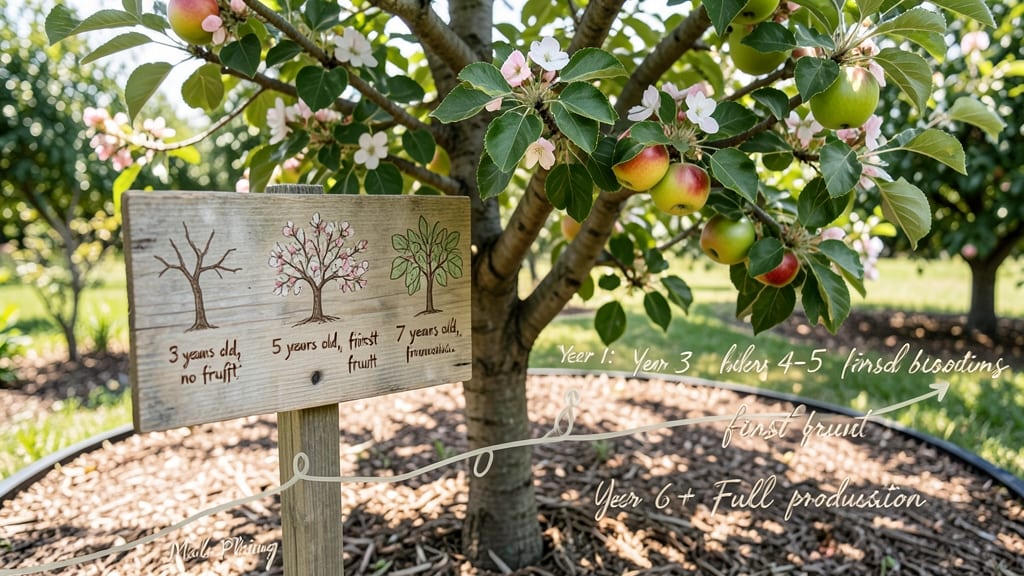
💥 Quick Answer Apple trees usually take 3 to 7 years before they bear fruit, though this timeline shifts based on the specific variety, rootstock type, and your local climate—especially chill hours. Smaller dwarf…
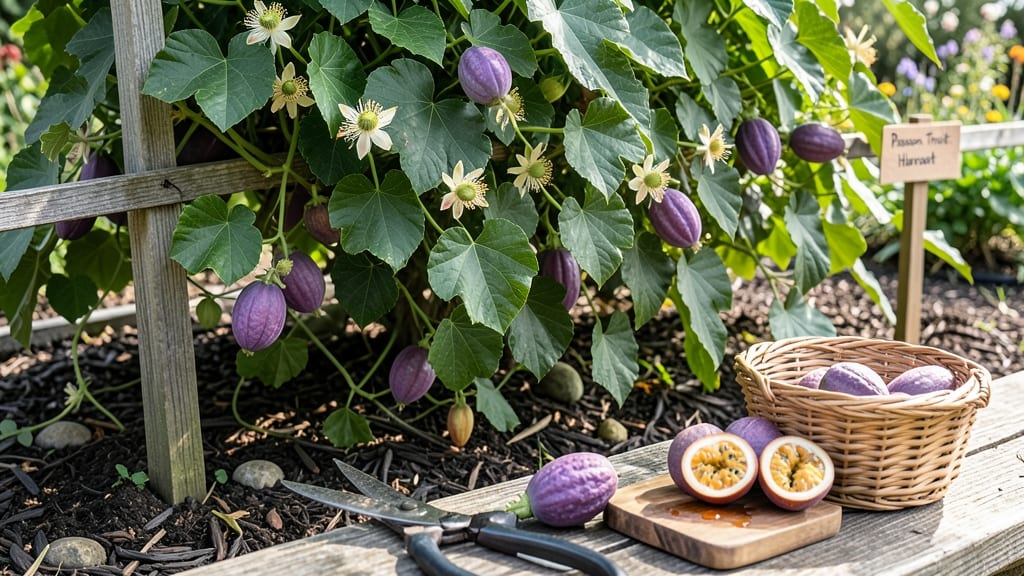
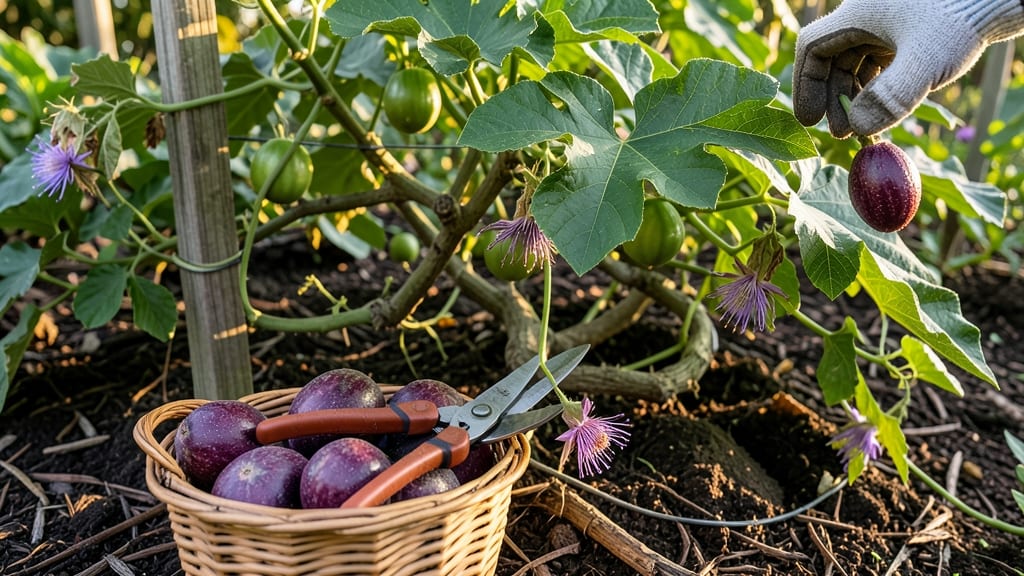
California’s passionfruit season delivers tropical flavors straight from your backyard, with purple and yellow varieties ripening from spring through fall—but knowing the exact months and regional tweaks can mean the…
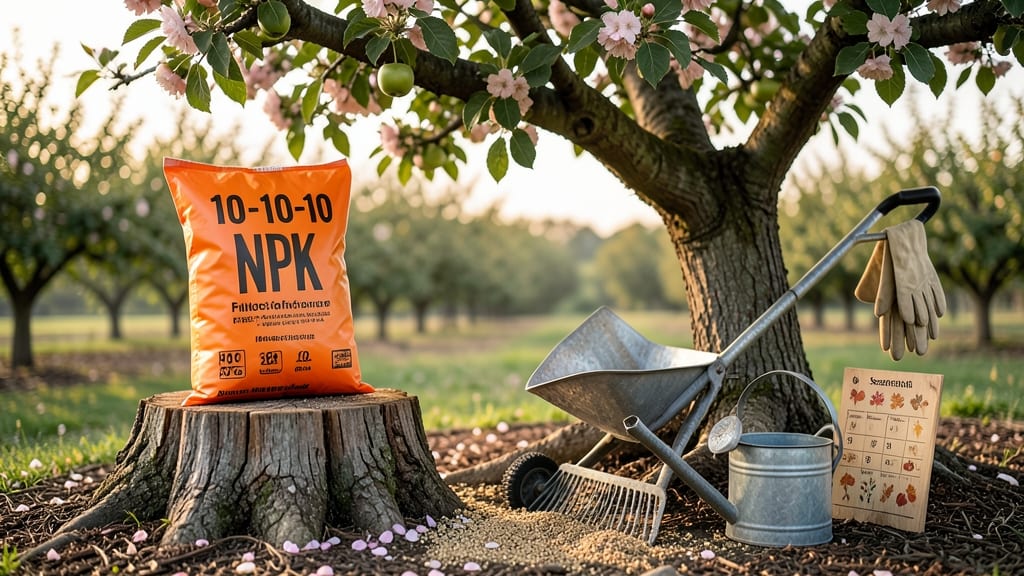
Fertilizing fruit trees at the right time 🍎 can turn a struggling orchard into a lush, productive haven—yet most gardeners miss the three key windows that make all the difference. Timing your fruit tree fertilization…
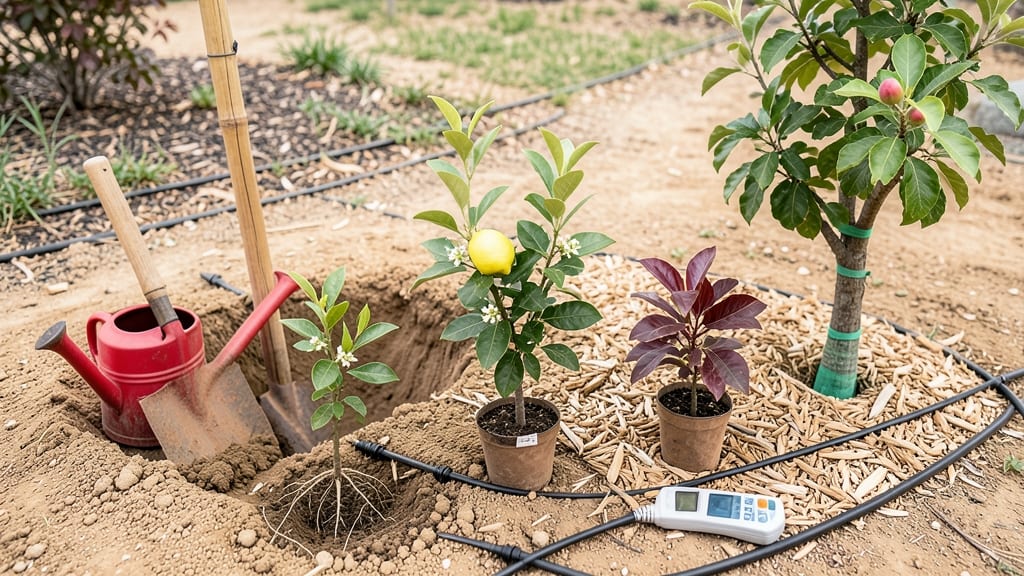
To plant fruit trees in Arizona, aim for late fall or winter when temperatures stay mild and the ground isn’t scorching—think November through March for the best results. You might assume Arizona’s desert heat means…
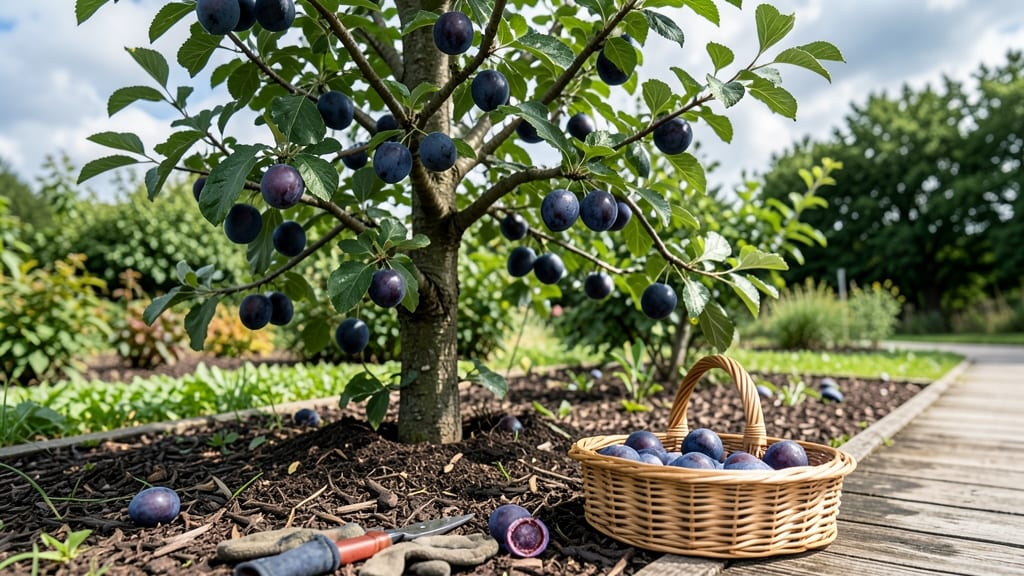
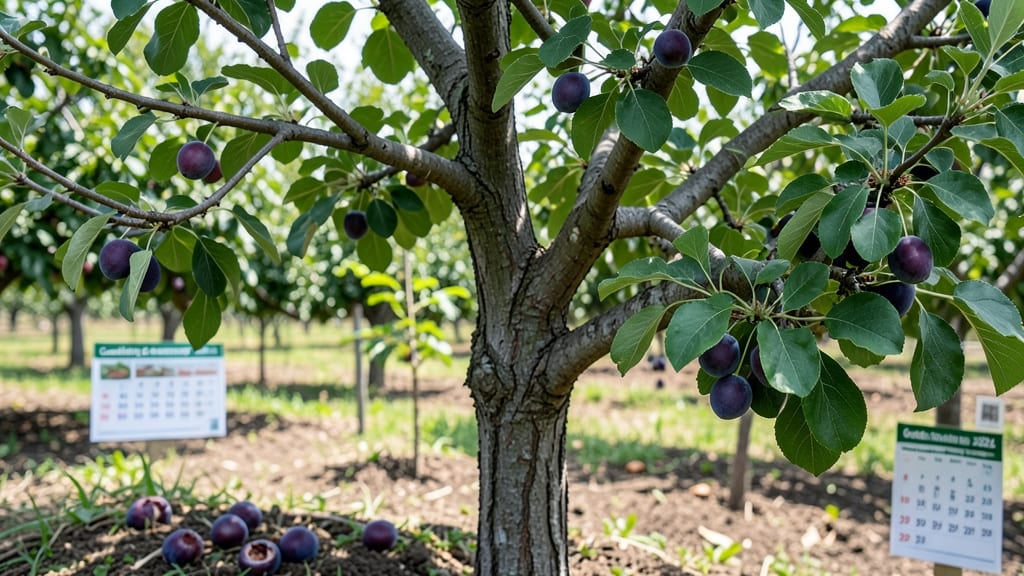
💥 Quick Answer Plum trees do not produce fruit every year because their fruiting cycle depends on age, variety, climate conditions, and proper care. Young trees often take 2-5 years before bearing fruit, while mature…
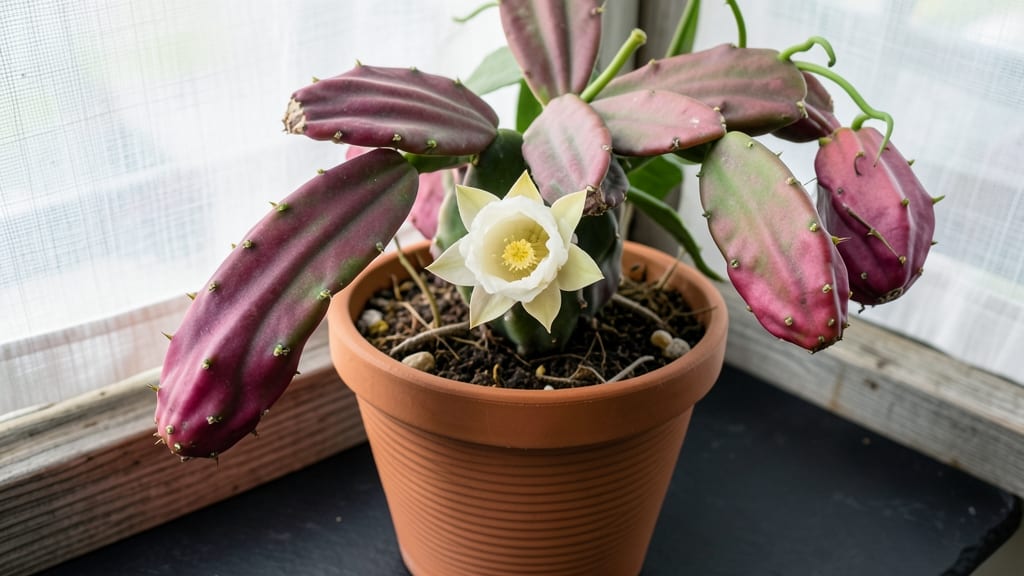
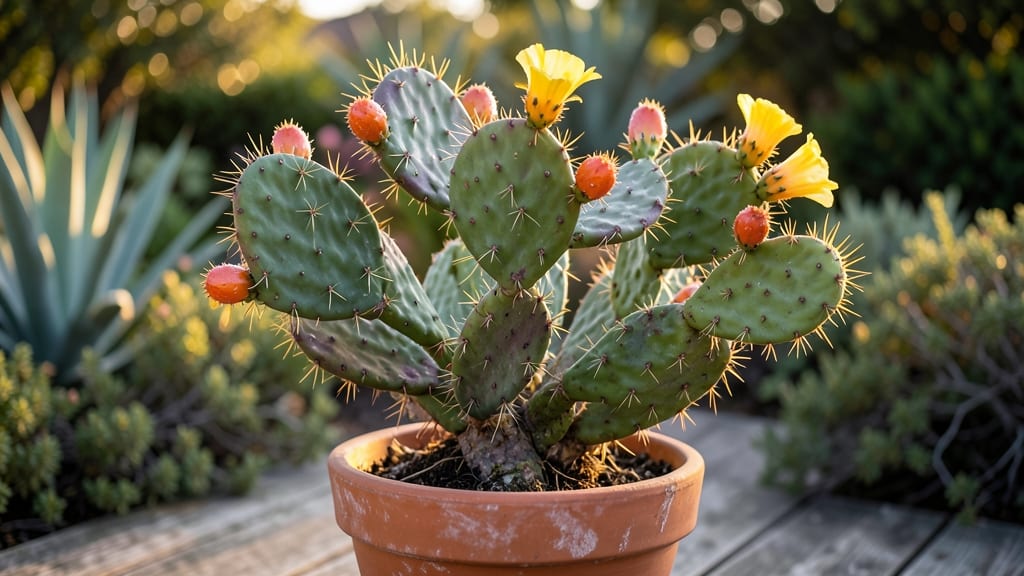
💥 Quick Answer Yes, prickly pear is a fruit—botanically classified as a berry from the cactus family (Opuntia)—with its edible parts being the sweet, gel-like pulp surrounding seeds. This cactus fruit grows on pads and…
💥 Quick Answer Lemongrass essential oil repels fruit flies effectively by disrupting their scent trails, thanks to its high citral content. Mix 10-15 drops with water in a spray bottle, apply around entry points, and…
💥 Quick Answer Tomatoes are botanically classified as fruits because they develop from the flower’s ovary and contain seeds, even though they’re often treated as vegetables in culinary contexts due to their savory…
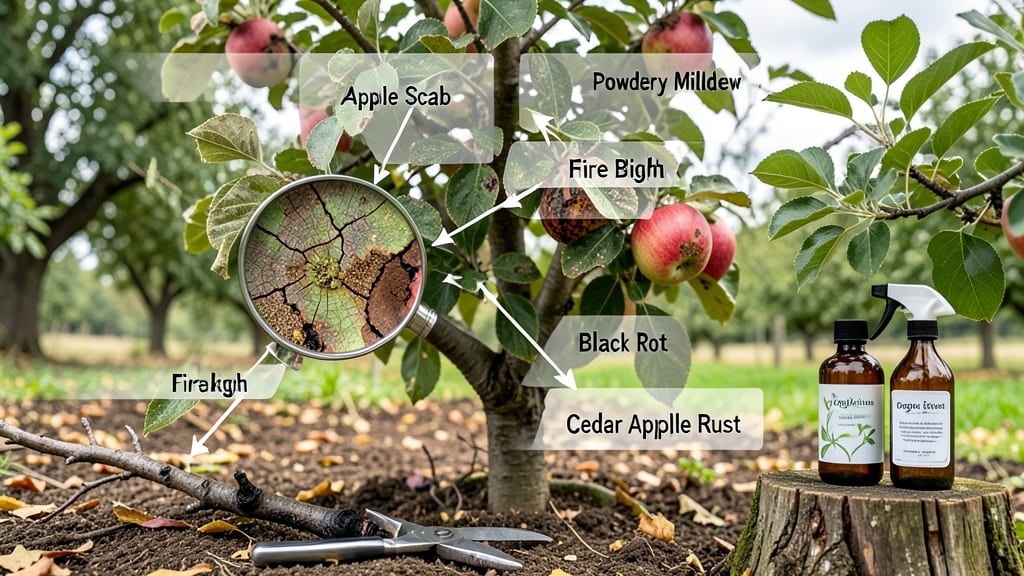
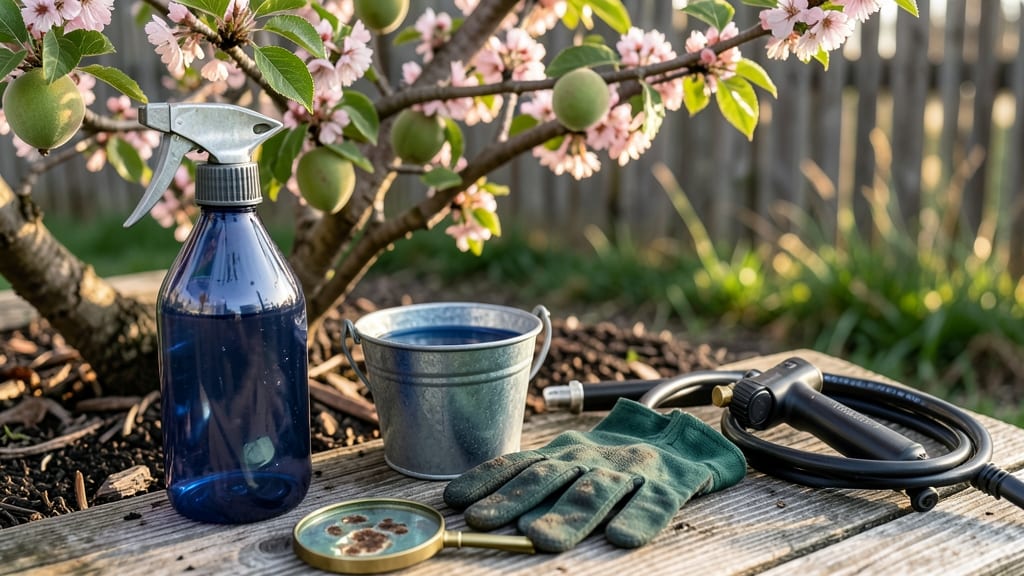
💥 Quick Answer To apply copper fungicide to fruit trees effectively, time your treatments based on disease prevention: use it before bud break in early spring (pink bud stage) to stop fungal spores from taking hold, and…