
Fertilization
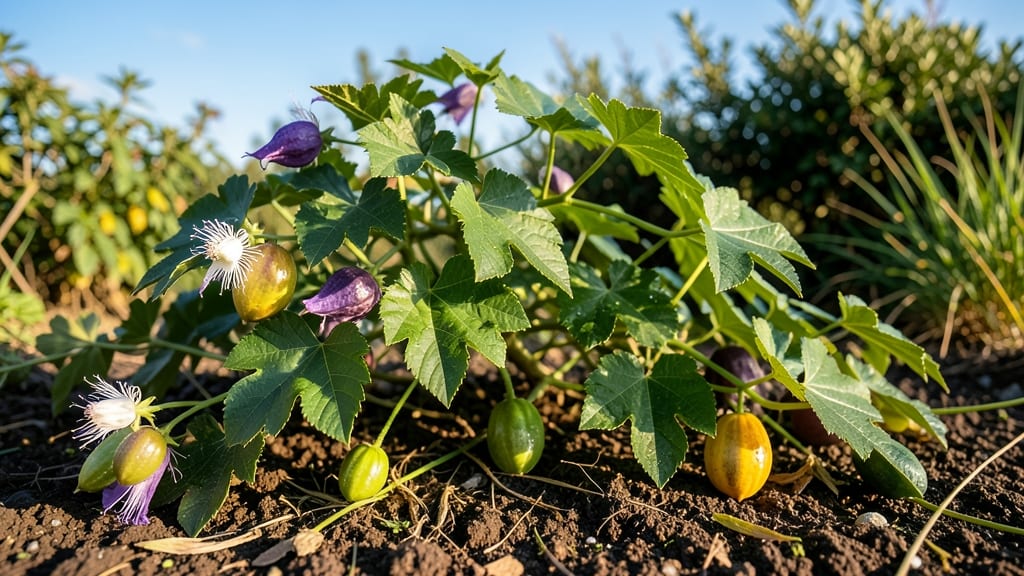
That tiny orange-and-black butterfly fluttering around your passion fruit vines isn’t just pretty—it’s the secret to your biggest harvest yet. 🌿 The passion fruit butterfly (Heliconius charithonia) plays a dual role: its adults pollinate flowers while its caterpillars can munch on leaves, leaving gardeners torn between gratitude and concern.
Understanding its lifecycle lets you balance protection and productivity without chemicals.
Here’s the thing—adult butterflies sip nectar and carry pollen between flowers, boosting fruit set by up to 30%. But those fuzzy green caterpillars? They’ll skeletonize leaves if left unchecked.
The key is timing: caterpillars appear after flowers fade, so you can let adults do their job before intervening. Most damage happens in late summer, when fruit isn’t the priority.
You’ll know you’ve struck the right balance when your vines produce plump, vibrant fruit while still looking healthy. The solution isn’t eradication—it’s observation. Handpick caterpillars in small gardens, or let nature regulate them by encouraging their natural predators like birds and wasps.
Less intervention means more butterflies next season, and that means more pollination.
This approach works for backyard growers and commercial plots alike, adapting to your space and harvest goals. Whether you’re dealing with a single vine or rows of passion fruit, the same principles apply. Let’s turn those butterflies into your most reliable gardening allies.
Why it happens
The passion fruit butterfly (Heliconius spp.) isn’t just a pretty visitor—it’s a vital pollinator for your passion fruit vines. But why do these butterflies flock to your garden in the first place?
The answer lies in a mix of natural cues, plant chemistry, and ecological behaviors. Understanding these triggers can help you create an irresistible environment for them, ensuring better pollination and fruit production.
Butterflies, including the passion fruit butterfly, rely heavily on their sense of smell to locate food sources. Passion fruit flowers produce volatile organic compounds (VOCs), like linalool and benzyl acetate, which emit a sweet, fruity aroma.
These compounds act like a beacon, signaling to butterflies that a meal—or a mating opportunity—is nearby.
💡 Pro Tip: If your passion fruit plants aren’t flowering as expected, check for pests (like aphids or thrips) that may be stressing the plant. Stressed plants produce fewer VOCs, making them less attractive to pollinators.
Passion fruit flowers aren’t just visually stunning—they’re designed to catch a butterfly’s eye. These flowers feature UV-reflective patterns invisible to humans but highly visible to butterflies. The deep purple and blue hues, combined with the flower’s tubular shape, guide butterflies straight to the nectar.
✨ Did You Know? Some passion fruit varieties, like Passiflora edulis, have landing platforms that provide butterflies with a safe perch while they feed. This reduces their flight time and encourages longer visits.
The real magnet? Nectar. Passion fruit flowers produce a rich, sugar-laden nectar that’s a high-energy fuel source for butterflies. A single visit can provide enough energy for a butterfly to sustain itself for hours.
Additionally, male butterflies are particularly drawn to flowers with abundant nectar, as they need the energy to locate and court females.
📊 Nutrition Fact: Passion fruit nectar can contain up to 30% sugar by weight—far more concentrated than many other floral nectars, making it a butterfly favorite.
While adult butterflies are attracted to flowers, their larvae (caterpillars) need specific host plants to survive. Passion fruit vines (Passiflora spp.) are a primary food source for Heliconius caterpillars.
If your garden has thriving passion fruit plants, female butterflies are more likely to lay eggs there, ensuring a steady population of pollinators.
🔥 Actionable Tip: If you’re not seeing enough butterflies, consider planting additional Passiflora species (like Passiflora caerulea or Passiflora incarnata) to attract a broader range of butterflies and boost pollination.
Butterflies are cold-blooded, meaning their activity levels depend on temperature. Passion fruit butterflies are most active on warm, sunny days (70–85°F / 21–29°C). If your garden is too shady or temperatures drop, butterflies may avoid it.
🌡️ Seasonal Note: In tropical regions, passion fruit butterflies are year-round residents. In cooler climates, they may appear only during spring and summer when passion fruit plants are in bloom.
Quick Fixes for Butterfly Woes
If your passion fruit plants are struggling due to Heliconius charithonia (the passion fruit butterfly), don’t panic—there are practical, nature-friendly ways to restore balance and protect your harvest. Below, we break down the most common issues caused by these butterflies and provide step-by-step solutions, from immediate fixes to long-term prevention.
Too many butterflies can lead to over-pollination, stressing your plants or even damaging young fruit. Here’s how to gently manage their population:
🌿 Hand-Removal Method (Gentle & Effective)
- 👨🌾 When to do it: Early morning or late evening when butterflies are less active.
- 🔪 How to do it: Gently pluck adult butterflies from leaves and relocate them to a nearby wildflower garden (at least 50 feet away). Avoid crushing them—this keeps the ecosystem happy!
- 💡 Pro tip: Use a small net or wear gloves to avoid direct contact with their wings.
🌱 Plant Companion Flowers (Natural Deterrent)
- 🌸 Best options: Marigolds, basil, or citrus-scented plants like lemongrass. Butterflies prefer these over passion fruit vines.
- 🌿 How to implement: Plant a border around your passion fruit patch or intersperse companion plants every 3–4 feet.
- ✨ Bonus: These plants also repel pests like aphids and whiteflies!
🚫 Physical Barriers (For Young Plants)
- 🛡️ Use lightweight mesh: Cover young vines with fine netting (1mm holes) to block butterfly access while allowing pollination from other insects like bees.
- 🔄 When to remove: Once vines are established (3–4 months old), butterflies are less likely to cause harm.
If butterflies are laying eggs or chewing on fruit, act fast to salvage your crop. These methods minimize damage without harming the butterflies.
🥄 Egg & Larva Inspection (Early Intervention)
- 🔍 Daily check: Inspect leaves and fruit for tiny yellow eggs (size of a pinhead) or green larvae.
- 🧼 Remove eggs/larvae: Scrape them off with a damp cloth or your fingernail—drop them into soapy water to prevent hatching.
- 💡 Pro tip: Focus on the undersides of leaves, where eggs are most commonly laid.
🍎 Organic Sprays (Last Resort)
- 🌿 Neem oil spray: Mix 1 tbsp neem oil + 1 tsp mild soap in 1 quart of water. Spray leaves (avoid fruit) every 5–7 days. Butterflies dislike the scent!
- 🌸 Chili pepper spray: Blend 2 chili peppers + 1 quart of water, strain, and spray on leaves. Reapply after rain.
- ⚠️ Caution: Test sprays on a small leaf first to avoid burning plants.
🍉 Fruit Netting (For Heavy Infestations)
- 🛡️ Cover developing fruit: Use fine mesh bags (like those for figs) to protect individual passion fruits from butterfly larvae.
- 🔄 When to use: Once fruit is golf-ball sized, slip a bag over it and secure with a twist tie.
Stop butterfly-related issues before they start with these proactive strategies:
🌿 Rotate Planting Times
- 📅 Stagger harvests: Plant new vines every 2–3 months so butterflies don’t find a single "feast" of ripe fruit.
- 🌱 Why it works: Spreads out the butterfly’s food source, reducing egg-laying opportunities.
🌞 Optimize Sunlight & Airflow
- ☀️ Prune strategically: Thin out dense foliage to improve airflow—butterflies prefer shady, humid spots.
- 🌿 Space plants: Give vines 6+ feet of space between them to discourage overcrowding.
🐝 Encourage Beneficial Pollinators
- 🐝 Bee-friendly flowers: Plant lavender, sunflowers, or borage near your garden to attract bees, which pollinate passion fruit more effectively than butterflies.
- 🌿 Avoid pesticides: Even "natural" sprays can harm bees—stick to butterfly-specific deterrents.
🗓️ Seasonal Monitoring
- 📅 Peak season: Butterflies are most active in spring/summer. Increase inspections during these months.
- 🌡️ Watch the weather: Humid, warm days = more butterfly activity. Be extra vigilant after rain.
If butterflies are still overwhelming your garden despite these steps, consider consulting a local agricultural extension office. They can recommend region-specific solutions or introduce natural predators like Trichogramma wasps (tiny parasitic wasps that target butterfly eggs).
With these fixes, you’ll strike a balance—keeping butterflies around for some pollination while protecting your passion fruit bounty. Happy gardening! 🌱🐝
Frequently asked questions
Are passion fruit butterflies harmful to my plants?
Adult butterflies are actually beneficial—they pollinate flowers and boost fruit production by up to 30%. The real concern is their caterpillars, which can chew leaves and damage young fruit. Focus on removing eggs/larvae rather than the adults themselves.
How do I tell the difference between butterfly eggs and other insect eggs?
Passion fruit butterfly eggs are tiny (1mm wide), yellow, and dome-shaped, often laid singly on the undersides of leaves. They resemble tiny grains of rice. Check daily during peak butterfly season (spring-summer
Will removing butterflies reduce my passion fruit harvest?
Not if you're strategic! Butterflies contribute to pollination, but bees do 90% of the work. Plant bee-friendly flowers (like lavender) nearby to ensure pollination while controlling butterfly populations. The key is balance—not eradication.
Are there natural predators that control butterfly populations?
Yes! Birds, parasitic wasps, and spiders naturally keep butterfly populations in check. Create habitat for these predators by adding birdhouses, leaving leaf litter, and avoiding pesticides. This ecosystem approach often works better than chemical sprays.
Can I still grow passion fruit without butterflies?
While butterflies help with pollination, passion fruit can still produce fruit through self-pollination or with help from bees. Focus on hand-pollinating flowers with a small brush if you prefer a butterfly-free environment. Just be patient—fruit set may take slightly longer.