
Fertilization
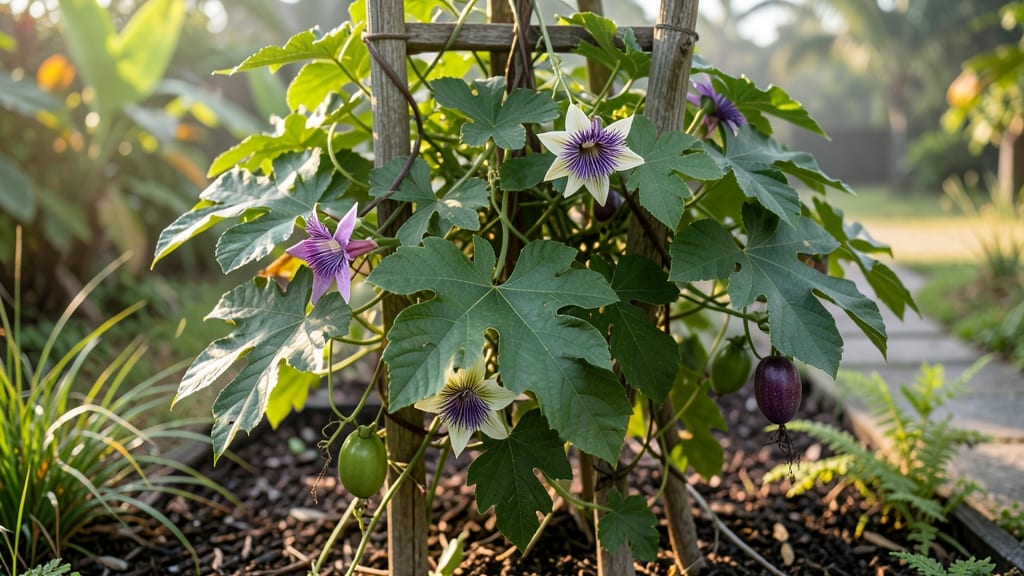
Mastering passion fruit growth means turning your backyard into a tropical fruit factory. 🌿 The secret lies in mimicking the vine's natural habitat—warmth, humidity, and just the right amount of sunshine—so you can harvest sweet, tangy fruit year-round (yes, even in cooler climates with a little creativity).
You'll need a sturdy trellis or fence for those vigorous vines to climb, well-draining soil rich in organic matter, and a consistent watering schedule that keeps roots happy without drowning them. Passion fruit plants thrive in full sun, but in hotter zones, afternoon shade prevents stress.
The real magic happens when you feed them every 4-6 weeks with a balanced fertilizer—think citrusy-sweet growth and heavy fruit loads.
By summer's end, you'll be snipping open those papery husks to reveal jewel-toned fruit bursting with flavor. The vines produce reliably for years, and with proper pruning, you can direct energy toward fruit production instead of wild, unruly growth.
Even pollination becomes easier when you understand the plant's quirks—some varieties are self-sufficient, while others need a little help from bees or gentle hand-pollination.
From seed to harvest takes about 12-18 months, but the payoff is worth it—imagine fresh passion fruit smoothies, jams, or even cocktails straight from your own vine. Here's how to set it up right the first time.
📚 In This Guide
- What you need
- Instructions
- Tips and common mistakes
- Wrapping up and next steps
What you need
- ● Passion fruit plants: 1-2 healthy vines (choose between Purple Passionfruit (Passiflora edulis) or Yellow Passionfruit (Passiflora ligularis)). Opt for young plants (6-12 months old) from a nursery.
- ● Well-draining soil: 5-10 bags of a mix like cactus/succulent blend or loamy garden soil (amend with compost for fertility). Avoid heavy clay.
- ● Fertilizer: Balanced 10-10-10 fertilizer (1-2 lbs per plant) for initial growth.
- ● High-potassium 0-10-10 fertilizer (1 lb per plant) during fruiting season.
- ● Organic options: Composted manure (2-3 lbs per plant) or worm castings (1 lb per plant).
- ● Support system: Sturdy trellis, fence, or arbor (8-10 ft tall) to guide vine growth. Use galvanized wire or bamboo poles for DIY options.
- ● Mulch: Straw or wood chips (2-3 inches thick) to retain moisture and suppress weeds.
- ● Drip irrigation or hose: For consistent watering (passion fruit vines need 1-2 inches of water weekly).
- ● Pruning shears: Sharp, sterilized shears for trimming dead or overgrown vines.
- ● Gloves: Heavy-duty gardening gloves to protect against thorns.
- ● pH test kit: To monitor soil acidity (ideal range: 6.0-7.5). Adjust with lime or sulfur if needed.
- ○ Spray bottle (optional): For misting young plants in hot climates.
- ○ Pollination aid (optional): A small brush or bee-friendly habitat to hand-pollinate flowers if bees are scarce.
- ● Climate: Passion fruit thrives in USDA Zones 7-11 (or indoors in cooler zones with grow lights). Needs full sun (6+ hours daily).
- ● Space: Allocate 10-15 sq ft per vine for optimal airflow and growth.
- ● Time: Commit to 6-12 months until first harvest (patience is key!).
- ● Pest control: Monitor for aphids, mites, or fruit flies—neem oil or insecticidal soap can help.
Step-by-step instructions for growing passion fruit vines
Here's how I grow thriving passion fruit vines that produce fruit year-round with minimal fuss.
🌱 Step 1: Choose the Right Variety and Planting Location
Start with passion fruit seedlings from a reputable nursery—avoid grafted varieties unless you're in a warm climate. I always pick purple passion fruit for its hardiness and sweet flavor. Plant in well-draining soil with a pH between 6.0 and 7.5, as passion vines hate soggy roots.
Select a sunny spot with at least 6-8 hours of direct sunlight daily. If you're in a cooler zone, choose a south-facing wall or trellis to maximize warmth. Passion vines climb aggressively, so install a strong trellis or fence at least 8 feet tall—they can grow 20+ feet in ideal conditions. I always add a layer of compost to the planting hole to give roots a nutrient boost.
☀️ Step 2: Plant and Provide Support Early
Dig a hole twice as wide as the root ball but only as deep as the container. Gently remove the seedling and place it in the hole, ensuring the top of the root ball sits level with the soil. Backfill with native soil and tamp lightly to remove air pockets. Water deeply to settle the soil and encourage root spread.
Attach the vine to the trellis immediately using soft plant ties or old pantyhose. Passion vines are heavy, so secure them every 2-3 feet as they grow. I like to train the main stem vertically first—this encourages stronger growth and better fruit production. Mulch around the base with 2-3 inches of organic mulch to retain moisture and regulate soil temperature.
💧 Step 3: Water and Fertilize for Optimal Growth
Water deeply 2-3 times per week during the first 3 months, keeping the soil evenly moist but not waterlogged. Passion vines are drought-tolerant once established, but young plants need consistent moisture. You'll know you're doing it right when the soil feels damp 2 inches down—stick your finger in to check.
Feed with a balanced fertilizer (10-10-10) every 4-6 weeks during the growing season. I switch to a low-nitrogen, high-phosphorus fertilizer (5-10-10) when flowers appear to encourage fruiting. Avoid over-fertilizing—too much nitrogen promotes leafy growth at the expense of fruit. Watch for yellowing leaves, which signal over-fertilization or nutrient burn.
✂️ Step 4: Prune for Fruit Production and Vine Health
Prune late winter or early spring before new growth begins. Remove dead, diseased, or crossing branches first—this improves airflow and reduces pests. Then, cut back overly long vines to 6-8 feet to redirect energy into fruit production. I always leave 3-5 strong canes to carry the main growth.
During the growing season, pinch back new shoots that grow near the base to encourage upward growth. Thin out excessive side shoots to prevent overcrowding. Passion vines produce more fruit on younger wood, so avoid heavy pruning once flowering begins. You'll see healthier, more productive vines within a season if you keep them pruned correctly.
🍈 Step 5: Harvest and Maintain for Year-Round Fruit
Harvest when the fruit is fully colored and slightly soft to the touch—this usually takes 90-120 days after flowering. Purple passion fruit turns deep purple, while yellow varieties stay bright. Twist gently to remove the fruit from the vine—don’t pull, or you’ll damage the stem. Store unripe fruit at room temperature until ripe, or refrigerate for up to 2 weeks.
After harvest, reduce watering slightly but keep the soil lightly moist. In cooler climates, protect vines with frost cloth if temperatures drop below 30°F. I always feed lightly in late summer to encourage a second flush of flowers and fruit. With proper care, passion vines can produce fruit year-round in warm climates or two harvests per year in cooler zones.
Tips & tricks for growing thriving passion fruit vines
Here's what I've learned after years of growing passion fruit—these details make all the difference between a struggling vine and a fruit-bearing powerhouse.
Soil and Sunlight Secret: While the instructions mention well-draining soil, I can't stress enough how critical the 6-8 hours of direct sunlight really is. If your spot gets less, supplement with a grow light for 4-6 hours daily during winter months. I've seen vines in partial shade produce fewer flowers and fruit—this is non-negotiable for tropical plants. For cooler climates, a south-facing wall acts like a natural heat sink, keeping roots warmer and encouraging growth.
Support System Game-Changer: That 8-foot trellis isn't just for looks—it's essential for two reasons. First, passion vines grow 20+ feet in ideal conditions, and without support, they'll sprawl and damage each other. Second, training vertically improves air circulation, which dramatically reduces fungal diseases. I use soft plant ties (or old pantyhose) because they're gentle on the bark and can be adjusted as the vine grows. Pro tip: Install the trellis before planting—you'll thank me when you don't have to wrestle with a mature vine later.
Watering Wisdom: The 2-3 times per week guideline works for most climates, but I've learned to adjust based on the soil dampness test. In summer heat, I water daily but in shallow trenches around the base to prevent wetting the leaves (which attracts pests). For the first 3 months, I set a timer to check soil moisture—this prevents both underwatering (which causes leaf drop) and overwatering (which rots roots). Once established, I let the soil dry slightly between waterings, but never completely.
Fertilizer Timing Tip: That switch from 10-10-10 to 5-10-10 when flowers appear is crucial. Too much nitrogen too late will give you lush leaves but no fruit. I actually reduce fertilizer to half-strength during flowering to prevent shock. And here's a trick: Mix your fertilizer with water and apply it to the mulch ring rather than directly to the soil—this prevents root burn while still feeding the plant.
Pro Tips for Passion Fruit Growth
- Here's what I've learned after years of growing passion fruit—these details make all the difference between a struggling vine and a fruit-bearing powerhouse.
- Soil and Sunlight Secret: While the instructions mention well-draining soil, I can't stress enough how critical the 6-8 hours of direct sunlight really is.
- Support System Game-Changer: That 8-foot trellis isn't just for looks—it's essential for two reasons.
Frequently asked questions
Got questions about growing passion fruit? You’re not alone! Here are some of the most common concerns—plus quick, actionable answers to keep your vine thriving.
How long does it take for a passion fruit vine to bear fruit?
With proper care, most passion fruit vines (like Passiflora edulis) start producing fruit 12–18 months after planting. Patience is key—young vines focus on root and vine growth first. Pro tip: Prune aggressively in the first year to encourage faster fruiting!
Can passion fruit vines survive winter or cold snaps?
Passion fruit vines are tropical and thrive in USDA Zones 8–11. In colder climates, grow them in containers and move them indoors during frost (below 30°F/–1°C). If left outside, mulch heavily and wrap the base with burlap for protection. Warning: Even light frost can kill the plant!
What’s the best fertilizer for passion fruit vines?
Use a balanced, organic fertilizer (like 5-5-5 or 6-6-6) every 4–6 weeks during growing season. Boost phosphorus (the middle number) when flowering/fruiting. Pro tip: Mix in compost or banana peels for a potassium kick—passion fruit loves it!
Why are my passion fruit leaves turning yellow or dropping?
Yellow leaves often signal overwatering, nutrient deficiency, or pests. Check soil moisture (keep it consistently moist but not soggy) and inspect for aphids or spider mites. Adjust fertilizer if leaves are pale (nitrogen deficiency) or purple (phosphorus shortage). Fix: Spray neem oil for pests and repot if roots are waterlogged.
Can I grow passion fruit from seed, or should I buy a plant?
While seeds work, store-bought plants (grafted or rooted cuttings) fruit faster and more reliably. Seeds may take 2–3 years to bear fruit and could produce different varieties. Pro tip: If starting from seed, soak seeds in warm water for 24 hours to speed up germination!
Wrapping up and next steps
Growing passion fruit is a rewarding journey that combines patience, care, and a touch of tropical flair! 🌿 With the right soil, nutrients, and sunlight, your vine can thrive and produce delicious, vibrant fruit year-round.
Whether you're a seasoned gardener or a beginner, the key is consistency—monitoring your plant’s needs and adjusting as it grows.
Ready to take the next step? Start by observing your vine’s progress and fine-tuning your fertilization schedule. Before you know it, you’ll be harvesting your own homegrown passion fruit—what’s not to love? 🍈✨