
Picking
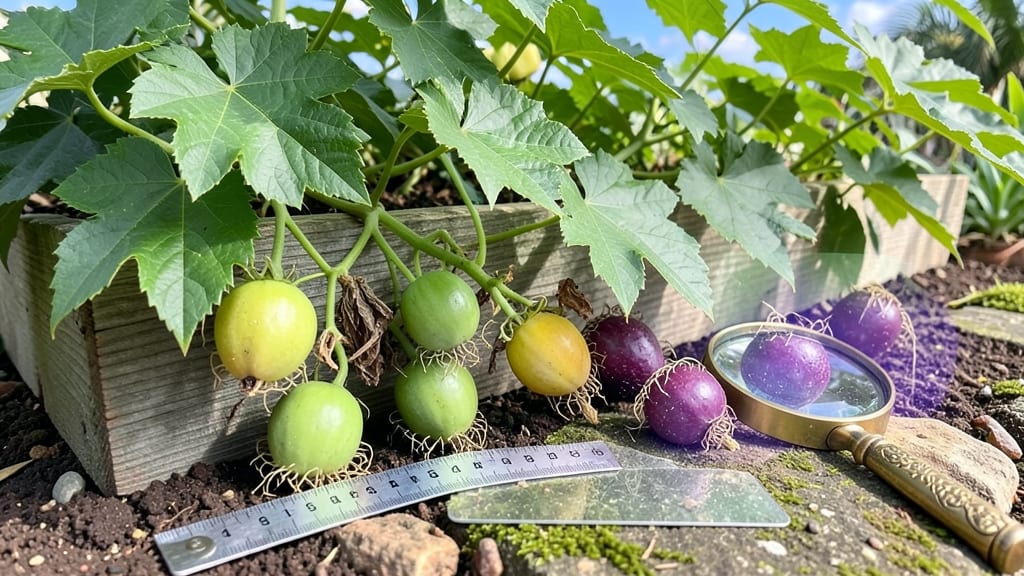
A passion fruit ripeness chart is your secret weapon for picking fruit at its peak—when the flavor is bold, the texture is perfect, and the seeds are just right.
Imagine biting into a passion fruit only to find it tart and underripe, or worse, mushy and overripe. That’s the frustration I’ve seen too many gardeners face—until they learned the simple visual cues that make all the difference.
From the deep purple blush of a Purple Passion Fruit 🍈 to the golden hue of a Granadilla, ripeness isn’t just about color. Texture, scent, and even how the stem separates from the vine tell the full story.
In this guide, I’ll walk you through every stage—how to test ripeness without cutting the fruit open, the best time to harvest for maximum sweetness, and how to use your perfect passion fruit in recipes or share it with neighbors.
Passion fruit ripeness stages by color, texture & smell (visual guide)
Passion fruit ripeness can be tricky—one wrong pick, and you might end up with a bitter or overripe fruit. The key lies in color shifts, texture changes, and even scent cues.
I’ve grown passion fruit for years, and these visual clues have saved me from countless disappointments. Let’s break it down so you can harvest at peak flavor.
Most gardeners focus only on color changes, but texture and smell are equally important. A passion fruit that looks ripe might still be underripe inside if it’s too firm, while one that’s soft could be overripe.
I’ll show you how to spot these differences like a pro, so you never guess again.
The unripe stage is easy to spot—your fruit will still be green or only partially colored. At this point, it’s hard to the touch and lacks any noticeable scent.
I’ve seen gardeners pick these by mistake, thinking they’d ripen off the vine. Don’t fall for it! Passion fruit won’t ripen further once picked.
When your passion fruit reaches the ripe stage, the color shift is dramatic. Purple varieties turn a deep purple, while yellow types develop a bright yellow-orange hue.
The texture is the giveaway—it should feel slightly soft when you press gently, almost like a ripe avocado. A sweet, tropical aroma will also waft from the fruit.
If you miss the ripe window, your fruit can quickly become overripe. The skin may develop a dull brown or wrinkled appearance, and the texture turns mushy.
The scent becomes fermented or even sour. I’ve learned the hard way—overripe passion fruit is barely edible and often attracts pests. Harvest at the perfect moment!
Pro tip: Twist the stem gently when checking ripeness. If it snaps cleanly, the fruit is ready. If the stem resists, it’s not ripe yet.
This simple trick has saved me from wasting countless hours on underripe fruit. Always pair this test with the color and texture checks for accuracy.
For yellow passion fruit varieties, the ripeness cues are slightly different. The skin will transition from green to pale yellow and finally to a bright golden hue. The texture remains the same—soft but not mushy.
I’ve found these varieties can be trickier to time, so keep a close eye on them once they start coloring.
One common mistake I see is assuming larger size means ripeness. A passion fruit can grow bigger but stay underripe inside. Always prioritize color, texture, and scent over size. Trust your senses—they’re your best tools for perfect picking.
Harvesting at the right stage ensures you get the sweetest, most flavorful passion fruit. Ripe fruit is perfect for juicing, smoothies, or even fresh eating. Overripe fruit?
It’s best used in fermented drinks or compost. Don’t let your hard work go to waste—master these ripeness cues, and you’ll always know when to pick.
Now that you’ve got the visual guide, grab a pair of pruning shears and start checking your passion fruit vines. The next time you’re unsure, just remember: color, texture, and smell are your best friends in the garden. Happy harvesting! 🍈
How to test passion fruit ripeness without cutting it open (pro tips)
Testing passion fruit ripeness without slicing it open is a game-changer for gardeners. You can avoid bitter flavors and mealy textures by using simple visual, tactile, and scent tests.
These methods help you pick fruit at its peak—when it’s sweetest and most flavorful. The key is knowing what to look and feel for before harvest.
First, focus on the fruit’s color shift. Purple passion fruit turns deep purple, while yellow varieties develop a golden hue. But color alone isn’t enough—you’ll also need to check for texture changes and subtle scent cues. These three tests combined give you the most accurate ripeness assessment.
⚠️ callout warning
- Over-squeezing: Too much pressure can bruise the fruit.
- Ignoring scent: A strong, sweet aroma is a key ripeness indicator.
- Confusing firmness: Hard fruit isn’t always unripe—some varieties stay firm until fully colored.
Start with the gentle squeeze test. A ripe passion fruit should yield slightly under light pressure, like a ripe avocado. If it feels rock-hard, it’s unripe; if it’s mushy, it’s overripe. This test works best when combined with the other two methods for accuracy.
Next, check the stem separation. Gently twist the fruit’s stem—it should snap off cleanly at the base. If the stem resists or pulls away with the fruit, it’s not ready. This is a foolproof way to avoid picking fruit too early or too late.
Finally, trust your nose. A ripe passion fruit releases a sweet, tropical aroma when gently squeezed. If it smells floral or bland, it’s not ready. Overripe fruit may have a fermented scent—avoid those!
This scent test is especially useful for yellow varieties, which can be trickier to judge by color alone.
By mastering these three tests—squeeze, stem twist, and scent—you’ll never miss the perfect passion fruit again. Practice on a few fruits to get a feel for what works best in your climate. Happy harvesting! 🌱🍈