
Shrubs
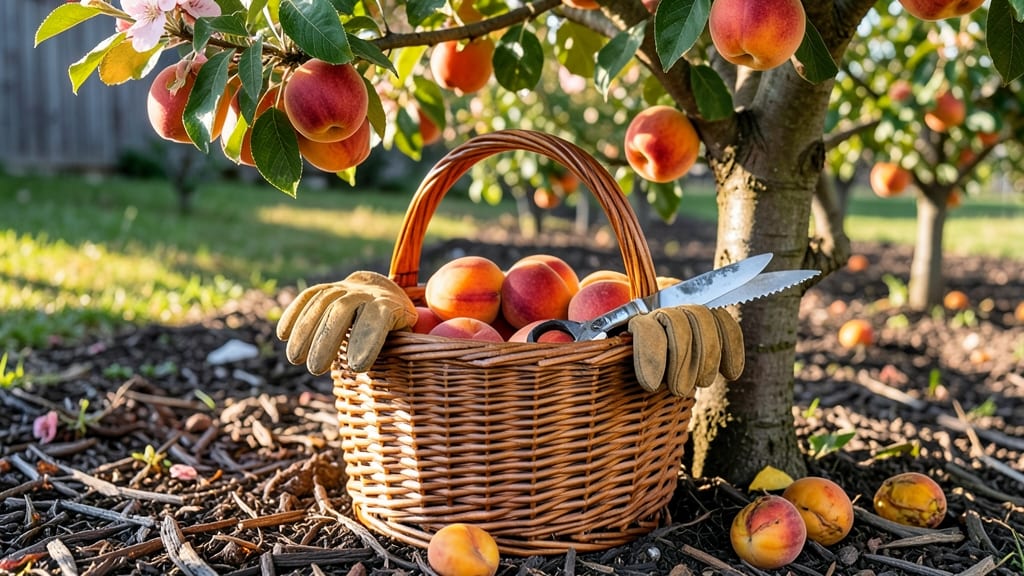
Growing red apricot fruit starts with the right tree and a sunny spot—your reward will be velvety-sweet fruit that ripens like summer itself. 🌞 I learned the hard way that apricots demand full sun (6+ hours daily) and well-draining soil, or they’ll fight you every step. The payoff?
Trees that produce 100+ fruits in their second year if you nail the basics. These stone fruits thrive in zones 5-9, but the real secret is patience: apricot trees take 2-3 years to bear fruit, and they need winter chilling (300-700 hours below 45°F).
Choose disease-resistant varieties like ‘Redbar’ or ‘Tilton’ to skip the pest battles most gardeners face. Prune in late winter to open the canopy—this ensures sunlight reaches every fruit. By late summer, you’ll be picking fruit that’s juicy, fragrant, and packed with vitamin A.
The first harvest feels like winning the lottery, but consistent care keeps it coming. Store ripe apricots in the fridge for 3-5 days or freeze them for year-round treats. Common mistakes? Overwatering (root rot is deadly) and ignoring pests like aphids.
Spray neem oil early, and your tree will thank you with bountiful harvests for decades.
📚 In This Guide
- What you need
- Instructions
- Tips and common mistakes
- Wrapping up and next steps
What you need
- ● Red Apricot Tree: 1–3 dwarf or semi-dwarf red apricot saplings (choose self-pollinating varieties like ‘Redhaven’ or ‘Blushgold’ for easier growing).
- ○ Optional: Grafted trees (for disease resistance or specific traits).
- ● Soil & Amendments: Well-draining loamy soil (pH 6.0–7.0).
- ● Compost or aged manure (5–10 lbs per planting hole).
- ● Balanced 10-10-10 fertilizer (1–2 lbs per tree at planting).
- ● Planting Supplies: Garden trowel or spade.
- ● Mulch (straw or wood chips, 2–3 inches thick).
- ● Drip irrigation system or soaker hose (for consistent moisture).
- ● Climate: Red apricots thrive in USDA Zones 5–9 with full sun (6+ hours/day).
- ● Space: Standard trees: 20–25 feet apart (for airflow).
- ● Dwarf trees: 10–15 feet apart.
- ● Water Access: Consistent watering (1–2 inches per week, especially during bloom and fruit set).
- ○ Optional but Helpful: Fruit tree spray (for pest/disease prevention).
- ● Pruning shears (for shaping and maintenance).
- ● Cold frame or greenhouse (if extending the growing season in cooler zones).
Step-by-step guide to growing red apricot trees
Here's how I've grown sweet, sun-ripened apricots in my own backyard—no fancy equipment needed.
🌱 Step 1: Choose the Right Location and Plant Your Tree
Red apricot trees thrive in full sun with at least 6-8 hours of direct sunlight daily. Pick a spot with well-draining soil—these trees hate soggy roots. I dig a hole twice as wide as the root ball but only as deep as the container it came in. This prevents burying the graft union too deeply, which can weaken the tree.
Gently remove the tree from its container and loosen any circling roots with your fingers. Place it in the hole so the top of the root ball sits 1-2 inches above ground level. This helps prevent water from pooling around the trunk. Backfill with native soil, pressing lightly to remove air pockets but not compacting too firmly.
💧 Step 2: Water Deeply and Mulch for Moisture Retention
After planting, water the tree deeply—enough to soak the root ball completely. You'll know it's right when water runs out the bottom of the hole. I use a garden hose with a gentle spray nozzle to avoid disturbing the soil. Watering deeply once or twice a week is better than light daily watering, which encourages shallow roots.
Spread 2-3 inches of organic mulch (like wood chips or straw) around the base, keeping it 3-4 inches away from the trunk. This mulch layer helps retain moisture and regulates soil temperature. Replenish it annually as it breaks down—never let it pile against the trunk, as this can cause rot.
☀️ Step 3: Prune for Shape and Airflow in Early Spring
When new growth appears in early spring, it's time to prune. I remove any dead, diseased, or crossing branches first—these compete for nutrients and invite pests. Cut just outside the branch collar (the swollen area where the branch meets the trunk) with clean, sharp pruners. This ensures a smooth healing process.
Next, shape the tree by thinning out crowded branches to improve airflow. Aim for an open center that lets sunlight reach the inner canopy. You'll see stronger, fruit-bearing branches develop over time. Avoid heavy pruning in late summer or fall, as new growth won’t harden off before winter.
⏰ Step 4: Fertilize and Monitor for Pests Through the Growing Season
In early spring, apply a balanced, slow-release fertilizer (like 10-10-10) around the drip line of the tree. Follow the package instructions for amounts—over-fertilizing can burn roots. I water the area thoroughly after applying to help distribute the nutrients evenly. Repeat this process in early summer, but switch to a low-nitrogen, high-phosphorus fertilizer (like 5-10-10) to encourage fruiting.
Keep an eye out for common pests like aphids or spider mites. I treat minor infestations with a strong spray of water or a neem oil solution (1 tablespoon per gallon of water). If you notice curled leaves or sticky residue on the tree, act quickly—these are early signs of pests. Healthy trees with good airflow rarely have serious problems, so proper pruning and watering are your best defenses.
🍑 Step 5: Harvest and Care for Year-Round Fruitfulness
Red apricots ripen in late summer, usually between August and September, depending on your climate. You'll know they're ready when they're slightly soft to the touch, change color to a deeper orange-red, and release easily from the tree. I harvest them in the morning when temperatures are cooler to preserve their sweetness.
After harvesting, thin out any remaining fruit to prevent overcrowding on the tree. This ensures the remaining apricots grow larger and sweeter. In late fall, apply another layer of mulch and reduce watering slightly—just enough to keep the soil from drying out completely. This prepares the tree for dormancy and sets it up for a strong harvest next year.
Tips & tricks for perfect red apricot trees
Here's what nobody tells you about growing apricots that actually bear fruit every year.
Sunlight Secret: That 6-8 hours of sun is non-negotiable, but here's the thing—morning sun is more important than afternoon. I've seen trees in full sun all day but in cooler climates still struggle because afternoon heat can stress them. If you're in a hotter region, provide some afternoon shade during peak summer months to protect the fruit from sunburn.
Root Ball Placement: When planting, don't just eyeball that 1-2 inch height above ground—use a level to check. I've seen trees planted too deep where the graft union gets buried, and that's a one-way ticket to weak growth. Also, loosen those circling roots gently with your fingers—they'll thank you by spreading out properly in the soil.
Watering Wisdom: The deep watering advice is spot-on, but here's my hack: use a moisture meter to check soil depth. You want moisture down to at least 12 inches after watering. If you're using drip irrigation, set it to run for 1-2 hours twice a week rather than short daily sessions. This prevents shallow roots that make trees vulnerable to drought.
Pruning Precision: When you're thinning branches in Step 3, look for branches that are growing inward or rubbing against others—these are the first to go. I use a small notepad to sketch my tree's shape before I start cutting. This helps me visualize the open center we want. And remember, those cuts should be clean and just outside the branch collar—no jagged edges that invite disease.
Pro Tips for Red Apricot Fruit
- Here's what nobody tells you about growing apricots that actually bear fruit every year.
- Sunlight Secret: That 6-8 hours of sun is non-negotiable, but here's the thing—morning sun is more important than afternoon.
- Root Ball Placement: When planting, don't just eyeball that 1-2 inch height above ground—use a level to check.
Frequently asked questions
How long does it take for a red apricot tree to bear fruit?
A newly planted red apricot tree typically takes 2–4 years to bear its first fruit, depending on climate, care, and variety. Patience pays off—healthy trees can produce heavy harvests for decades! Choose dwarf varieties if space is limited; they fruit slightly sooner.
Can I grow red apricots in containers or small spaces?
Yes! Dwarf or semi-dwarf red apricot trees thrive in large containers (15+ gallons) with proper drainage. Place them in full sun (6+ hours/day) and use well-draining potting mix. Just remember: container-grown trees need regular watering and may produce slightly smaller fruit.
Do red apricots need winter protection?
Red apricots are hardy to USDA Zones 5–9, but young trees or harsh winters may need help. Mulch the base with straw or wood chips (3–4 inches) to insulate roots. For extreme cold (<10°F), wrap the trunk with burlap or use a tree guard.
What’s the best way to store fresh red apricots?
Store unripe apricots at room temperature until fully colored. Once ripe, refrigerate in a paper towel-lined container for up to 5 days. For long-term storage, freeze whole (washed, unpeeled) or dried—perfect for jams, sauces, or snacks!
Why aren’t my red apricot flowers turning into fruit?
Common culprits include poor pollination (plant a second tree nearby), late frosts (damaging blooms), or nutrient deficiencies (try a balanced fertilizer). Check for pests like aphids or mites, which can stress trees. If the issue persists, test soil pH (ideal: 6.0–7.0).
Wrapping up and next steps
Growing red apricot trees is a rewarding journey that brings vibrant color, sweet flavors, and a sense of accomplishment to your garden. With the right soil, sunlight, and care, you can enjoy a year-round bounty of these delicious fruits—whether fresh, jammed, or dried.
Whether you're a seasoned gardener or just starting, every step you take brings you closer to a harvest full of sunshine and taste!
Ready to dive in? Start by choosing your apricot variety and preparing your space—then watch your sun-kissed trees flourish! 🌱✨