
Picking
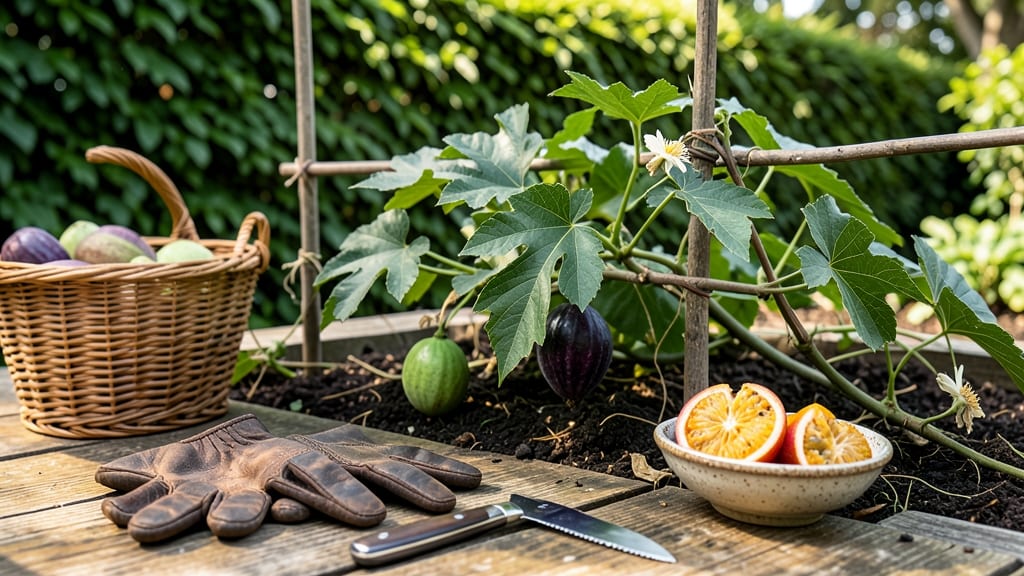
When are passion fruit ripe to eat? They’re ready when their skin turns deep purple, yellow, or red—depending on the variety—and they yield slightly when gently squeezed 🍈.
Picking too early or too late can turn that tropical burst of flavor into a mealy, bland disappointment. The difference between perfect ripeness and ruin often comes down to just a few days of waiting—or missing the window entirely.
Color isn’t the only clue: size, texture, and even the scent of the fruit play a role. In warmer climates like zones 9a-11, passion fruit may ripen faster, while cooler areas could stretch out the process.
Below, I’ll walk you through the exact cues to time your harvest like a pro.
You’ll learn how to spot the ideal moment, troubleshoot early or late ripening, and even salvage fruit that missed the boat—so you’re always picking passion fruit at their peak.


How to identify ripe passion fruit by color and size
Passion fruit ripeness can be tricky to spot at first glance, but mastering these visual cues ensures you pick fruit bursting with flavor. The color shift from green to vibrant hues is your first clue, but size and variety also play critical roles.
For example, Purple Passion (Passiflora edulis) turns deep purple, while Granadilla (Passiflora ligularis) ripens to a golden yellow. Ignoring these signs often leads to underripe fruit that’s tart or overripe fruit that’s mushy—neither is ideal for snacking or cooking.
Start by examining the fruit’s skin color, which is the most reliable indicator. A fully ripe passion fruit will have a uniform deep color with no green patches. For yellow varieties, this means a bright golden hue, while purple varieties should be a rich, wine-like shade.
Regional climates can slightly alter these colors—fruit grown in cooler areas may take longer to achieve full vibrancy, so don’t rush the process.
Size matters too, but it’s secondary to color. A ripe passion fruit typically measures 3 to 5 inches in diameter, though some heirloom varieties can be larger. Smaller fruit may still ripen fully, but they often lack the sweet-tart balance of their bigger counterparts.
If the fruit feels light for its size, it’s likely underripe and needs more time on the vine.
Now, let’s break down the key differences between varieties and what to look for in each:
| Variety | Ripe Color | Size (Diameter) | Regional Notes |
|---|---|---|---|
| Purple Passion (Passiflora edulis) | Deep purple (almost black) | 3–4 inches | Cooler climates may take 2–3 weeks longer to ripen. |
| Yellow Passion (Passiflora edulis flavicarpa) | Golden yellow | 4–5 inches | Ripens faster in tropical heat; may overripe quickly. |
| Granadilla (Passiflora ligularis) | Bright yellow-green | 5–6 inches | Needs consistent warmth; ripens unevenly in frost-prone areas. |
| Banana Passion (Passiflora tripartita) | Yellow-orange | 2–3 inches | Smaller size; ripens in clusters—pick when all in a bunch are colored. |
Don’t overlook the stem end of the fruit, which often darkens and dries slightly as it ripens. A brown or papery texture here is a positive sign, while a green or moist stem indicates the fruit needs more time.
This cue is especially useful for Granadilla varieties, where the stem end can turn a pale yellow before the rest of the fruit colors up.
Size consistency is another subtle clue. Ripe passion fruit should feel heavy for their size, signaling they’re juicy and full of pulp. Tap the fruit gently—if it makes a dull thud, it’s likely ripe. A high-pitched sound means it’s still firm and underripe.
This trick works best when combined with color checks, as some varieties (like Banana Passion) may appear ripe by color but still need a few more days to develop their signature flavor.
In tropical climates, passion fruit ripen year-round, but the peak harvest season is often spring to early summer when temperatures are warm but not extreme.
In temperate zones**, ripening slows in cooler months, so start checking fruit for color changes as early as late summer to avoid missing the window. If you’re growing passion fruit in containers, they may ripen slightly earlier than vine-grown fruit due to increased exposure to warmth.
One common mistake is assuming all passion fruit ripen at the same rate. Yellow varieties typically ripen faster than purple ones, so monitor them more closely. If you notice fruit falling prematurely from the vine, it’s a sign they’re overripe and should be harvested immediately to avoid spoilage.
Conversely, if the fruit remains green and hard well past the expected ripening time, it may need a helping hand—like placing it in a paper bag with a ripe banana to speed up ethylene production.
Pro tip: Harvest in the morning when fruit is coolest and firmest. This gives you the best chance to judge ripeness accurately. Avoid picking fruit that’s still attached to the vine if it’s soft or leaking pulp—these are clear signs of overripeness.
With these visual cues mastered, you’ll never again miss the perfect moment to enjoy passion fruit at its peak flavor.
Texture and scent tests: the secret signs of perfect ripeness
Passion fruit ripeness isn't just about color—it's a multi-sensory experience that combines texture, aroma, and even sound. When I first grew passion vines, I learned the hard way that picking too early means bland, mealy flesh, while waiting too long leads to mushy, overripe pulp.
The key is mastering these three simple tests that reveal when your fruit is at its peak.
Start by giving your passion fruit a gentle squeeze. A ripe passion fruit will yield slightly under light pressure, almost like pressing a ripe avocado. If it feels rock-hard, it's not ready yet.
Meanwhile, if it's too soft or leaves an indentation, it's past its prime. This firm-but-yielding texture is your first clue that the fruit's sugars have fully developed.
Next, check the stem end—this is where many gardeners miss the mark. A ripe passion fruit will have a dry, papery stem that separates easily from the vine with a slight twist. If the stem is still green or won't budge, the fruit needs more time.
I once waited until the stem completely detached on its own, only to find the fruit was overripe and fermenting—a lesson in patience!
⚠️ callout warning
Don't rely only on color—some passion fruit varieties (like yellow passion fruit) stay green until nearly ripe. Instead, combine color + texture + scent for accuracy. Overripe fruit often falls off the vine on its own, making it too late to save!
🌱 Pro Tip: Check fruit every 2-3 days during peak season to catch the perfect window.
The scent test is where passion fruit truly shine. A ripe passion fruit releases a sweet, tropical aroma—almost like a mix of mango and citrus with a hint of honey. If you're sniffing the fruit and getting nothing, it's not ready.
Meanwhile, if it smells fermented or sour, it's past its prime. I once thought a slightly musky smell was "exotic," only to discover it was a sign of overripeness.
For yellow passion fruit (Passiflora edulis flavicarpa), look for a golden-yellow hue with slight wrinkling near the stem. Purple varieties (Passiflora edulis) should turn a deep, rich purple with no green patches.
The wrinkling isn't a flaw—it's a sign the fruit's sugars have concentrated, making it sweeter. I've seen gardeners ignore this wrinkling, assuming it means the fruit is drying out, but it's actually a good sign!
Finally, listen for the plop. A ripe passion fruit makes a distinct sound when you tap it gently against your palm—almost like a dull thud. Unripe fruit sounds hollow, while overripe fruit feels mushy and makes a squelching sound.
This acoustic test works surprisingly well, especially when you're checking multiple fruits at once. I use it to quick-sort my harvest before bringing them inside.
Remember, passion fruit ripen best on the vine—they won't sweeten properly once picked. If you must harvest early (like for shipping), store them in a paper bag with a banana to speed up ripening via ethylene gas.
But for home gardeners, the vine-ripe fruit always wins in flavor. Now grab your gloves and start testing—your taste buds will thank you! 🍈