
Trees
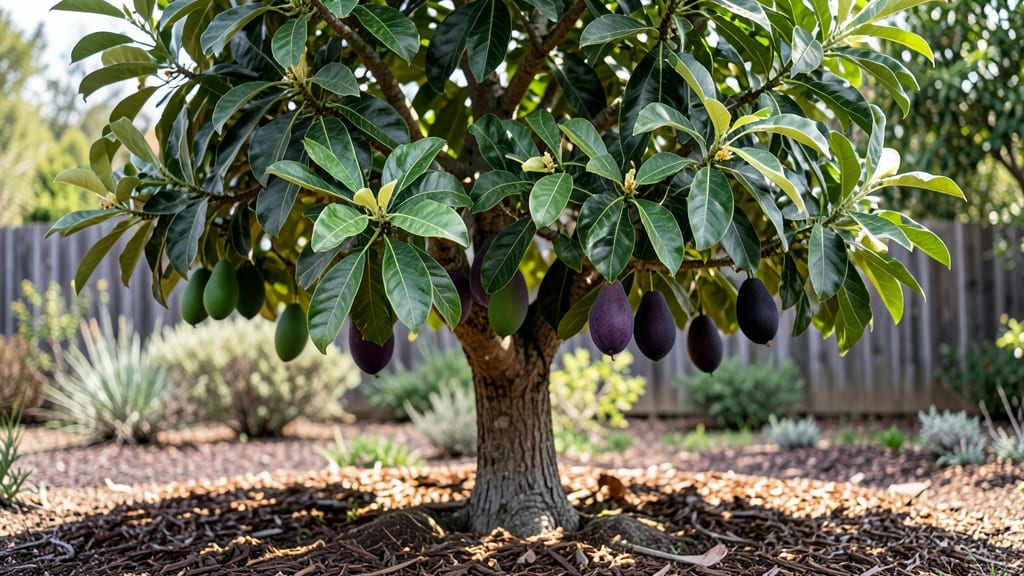
Avocado trees bear fruit when they reach 4 to 13 years old, with timing heavily influenced by their variety, local climate conditions, and annual chill hours—most commercial avocados need between 200–600 chill hours to trigger consistent fruit production. Dwarf varieties often produce fruit earlier (2–4 years), while standard trees in warmer climates may take significantly longer.
Understanding when avocado trees bear fruit depends on more than just age—it's all about their cold exposure needs. 🌱 Most avocado varieties require a specific number of hours below 45°F (7°C) each year to break dormancy and flower.
For example, Mexican varieties (Type A) often fruit earlier because they need fewer chill hours, while Guatemalan types (Type C) may take longer. Even within the same variety, trees in coastal California might fruit years earlier than those in Florida's warmer climate.
Another key factor is the tree's pollination group. Avocados are self-incompatible, meaning you often need at least two trees of different groups (A, B, or C) to ensure fruit production.
Without proper pollination, even mature trees may produce few or no avocados. This is why commercial orchards carefully select compatible varieties to guarantee harvests.
💡 In This Article
- How Chill Hours and Variety Affect Avocado Fruit Production
- Speeding Up Avocado Tree Fruit Production: Pruning and Care Tips
How chill hours and variety affect avocado fruit production
Chill hours—the cumulative time temperatures stay below 45°F (7°C)—are the primary trigger for avocado trees to flower and bear fruit. Mexican varieties (Type A) need only 200–300 chill hours annually, which is why they thrive in California and parts of Australia.
In contrast, Guatemalan types (Type C) demand 500–600 chill hours, making them better suited for regions like South Africa or New Zealand. Without sufficient cold exposure, trees remain dormant, delaying fruit production by years.
For example, a Hass avocado (Guatemalan) in Florida may never fruit naturally without artificial chill treatments.
The pollination group system adds another layer of complexity. Avocados are divided into three groups (A, B, C), each flowering at different times. Type A trees flower in late spring, Type B in early summer, and Type C in winter.
This staggered timing ensures cross-pollination, but planting just one tree means no fruit—even if the tree is mature. 🌿 In commercial orchards, growers plant multiple groups to guarantee pollination.
For home gardeners, this means selecting at least two compatible varieties, like a Mexican (Type A) and West Indian (Type B) type, to ensure fruit sets properly.
Climate plays a surprising role in fruit-bearing age. Trees in coastal areas with mild winters may take 5–7 years to fruit, while those in inland regions with colder winters can produce fruit in 3–4 years. The difference lies in natural temperature fluctuations—cooler nights followed by warm days stimulate flowering.
For instance, a Fuerte avocado (Mexican type) in Southern California might fruit at 4 years, while the same variety in Hawaii could take 10+ years without chill supplementation.
Dwarf varieties like the Mexican 'Mexicola' or 'Lamb Hass' are bred for smaller size and often fruit in 2–4 years due to their compact growth habit and lower chill requirements. These trees are ideal for containers or small gardens, but their fruit production is typically lighter than standard trees.
Meanwhile, standard varieties like Hass or Reed grow larger and may take 8–13 years to reach full production, especially in warmer climates where chill hours are scarce.
What most gardeners overlook is how soil and water stress can delay flowering. Avocado trees need well-draining soil with a pH of 6.0–7.0 and consistent moisture but hate soggy roots. Drought conditions or poor soil can trigger dormancy, mimicking winter chill and confusing the tree's internal clock.
For example, a tree in Arizona might flower prematurely if watered irregularly, only to drop blossoms due to heat stress. Balancing these factors is key to predictable fruit production.
Here’s a quick comparison of how variety and climate interact:
- Mexican (Type A): Fruits in 3–5 years with 200–300 chill hours (ideal for coastal climates)
- West Indian (Type B): Fruits in 4–6 years with 300–400 chill hours (adaptable to subtropical zones)
- Guatemalan (Type C): Fruits in 6–13 years with 500–600 chill hours (best for temperate regions)