
Pruning
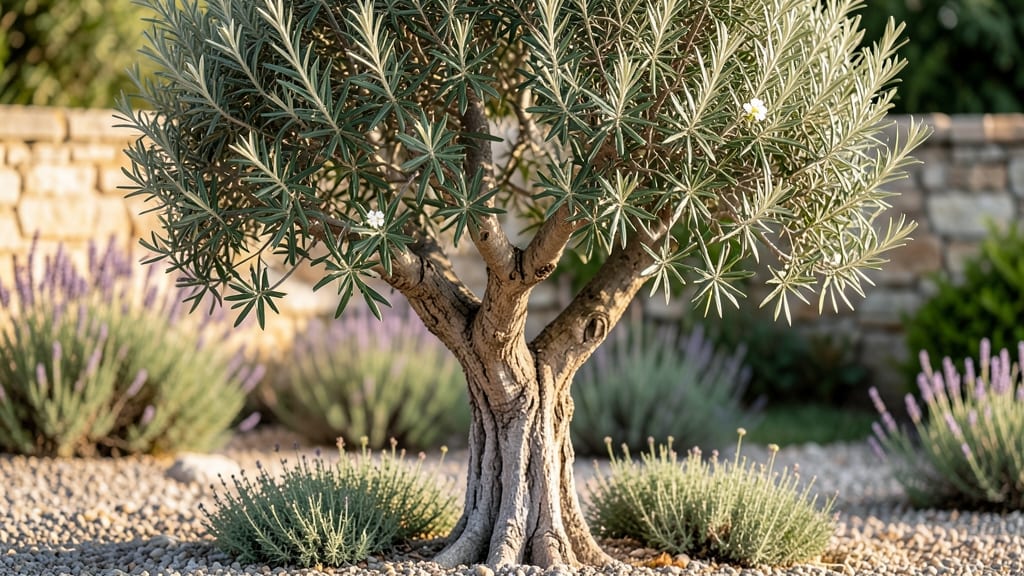
My Wilson fruitless olive tree transforms any yard into a Mediterranean escape—silver-green foliage, glossy leaves, and no messy olives to clean up. 🌿 The "fruitless" label means you get all the beauty without the harvest hassle, but pruning is where the magic happens to keep it lush year-round.
These trees thrive in full sun and well-draining soil, but the real secret is light pruning every 6-8 weeks to encourage dense branching. I’ve seen neighbors skip this step, only to end up with sparse, leggy trees that struggle in winter.
The right cuts keep it compact, healthy, and productive for decades. By summer, your tree will be bursting with new growth and that signature olive scent on warm days. Even in hot climates, the right pruning prevents stress—no more brown leaves or weak branches.
It’s the foundation of a tree that stays stunning with minimal effort. Perfect for small yards, containers, or as a statement piece in larger gardens. Let’s get that pruner sharp and turn your tree into the showstopper it’s meant to be!
📚 In This Guide
- What you need
- Instructions
- Tips and common mistakes
- Wrapping up and next steps
What you need
- ● Pruning Shears: Bypass shears (sharp, not anvil-style) for clean cuts on small branches (blank">$15–$30).
- ● Loppers: For thicker branches (½"–1.5" diameter), with a bypass blade (blank">$20–$40).
- ● Pruning Saw: For branches >1.5" thick—look for a curved blade for precision (blank">$10–$25).
- ● Disinfectant: 70% isopropyl alcohol or rubbing alcohol (1 small bottle) to sterilize tools between cuts.
- ● Garden Gloves: Heavy-duty, cut-resistant gloves to protect hands from thorns and rough bark (blank">$10–$20).
- ○ Pruning Sealant: Optional but helpful—tree wound paint (like blank">Tanglefoot Tree Wound Pruning Seal) for cuts >½" in diameter.
- ● Bucket or Tray: For collecting debris (5-gallon size works great).
- ● Ladder (if needed): Extendable aluminum ladder (16–20 ft) for tall trees—never use a step stool!
- ● Pole Pruner: For high branches (10–20 ft reach, blank">$30–$60).
- ● Sharpener: File or whetstone to keep blades razor-sharp between uses.
- ● Safety Glasses: Protect your eyes from flying debris (especially when using a saw).
- ● Tree Bag or Tarps: To collect fallen leaves/branches for composting.
- ● Notebook & Pen: To sketch a pruning map of your tree’s structure before you start!
Step-by-step pruning guide for year-round Wilson fruitless olive tree care
Transform your olive tree into a lush, sculpted beauty with these precision techniques.
✂️ Step 1: Assess Growth Patterns and Identify Pruning Zones
Examine your tree in early spring before new growth begins, when branches are still bare. Look for three distinct zones: the central leader (main vertical trunk), scaffold branches (major horizontal limbs), and secondary growth (smaller, newer branches). The Wilson variety responds best to open-center pruning, which encourages air circulation and sunlight penetration.
Use a sharp bypass pruner to make clean cuts just above outward-facing buds—never leave stubs. I always start by removing any dead, crossing, or inward-growing branches first. These are your "no-brainer" cuts that immediately improve the tree's structure. Mark potential cuts with a piece of twine before making any snips to visualize the final shape.
🌿 Step 2: Thin the Canopy for Optimal Airflow
Selectively remove 20-30% of the tree's foliage by targeting branches that are too dense. Focus on the inner canopy where light rarely reaches—this is where disease thrives. For each branch you remove, look for a lateral branch growing at a 45-degree angle from the parent limb; this maintains the tree's natural shape while opening up the center.
Never remove more than one-third of the tree's foliage in a single pruning session, even for aggressive shaping. The Wilson variety is resilient, but sudden defoliation stresses the tree. I like to work in three light sessions over a month if major restructuring is needed. After each cut, step back and observe how sunlight now reaches previously shaded areas.
⏰ Step 3: Shape for Year-Round Structure (Spring and Fall)
In late spring, after new growth reaches 6-8 inches, prune to establish your desired shape. For a rounded silhouette, cut back the tips of scaffold branches by one-third to encourage bushier growth. For a formal upright shape, remove all lateral branches from the lower half of the tree and taper the cuts upward.
Fall pruning (after leaf drop) focuses on cleanup and refinement. Remove any suckers (new shoots at the base) immediately—they drain energy from the main structure. I also address any water sprouts (fast-growing vertical shoots) by cutting them back to a lateral bud. This ensures the tree maintains its shape through winter dormancy and bursts with new growth in spring.
☀️ Step 4: Maintain Through the Growing Season
Monitor your tree monthly during the growing season for unwanted growth. Pinch back new shoots when they're still 3-4 inches long to redirect energy into stronger branches. Avoid heavy pruning in summer—it stimulates tender growth that won't harden off before winter. Instead, focus on light maintenance like removing spent flowers or slightly overgrown branches.
Watch for leaf curl or yellowing, which signals overpruning or stress. If you notice this, reduce pruning immediately and increase watering slightly. The Wilson variety is drought-tolerant once established, but newly pruned branches need consistent moisture to heal properly. A 2-inch layer of mulch around the base helps retain soil moisture and regulate temperature.
Tips & tricks for pruning your Wilson fruitless olive tree
These precision techniques will help you sculpt your olive tree into a thriving, year-round masterpiece without stressing the plant.
Visualize Before You Cut: Step back and study your tree from multiple angles before making any cuts. The Wilson variety benefits from an open-center shape that promotes airflow, but this requires strategic planning. I always sketch a rough outline of my desired shape on paper first—this prevents impulsive cuts that can disrupt the tree's natural balance. In Step 1, when identifying pruning zones, use a small mirror to inspect hard-to-see areas where branches might be crossing or growing inward.
Timing Secret for Stress-Free Pruning: The three-session approach mentioned in Step 2 is your best defense against overpruning. Between sessions, monitor the tree's recovery by checking for new growth at the cut sites—healthy new shoots indicate the tree is adapting well. If you notice leaf curl or yellowing after pruning, reduce the intensity immediately. The Wilson variety is resilient, but even it needs time to recover from aggressive shaping. I've found that spacing sessions 7-10 days apart gives the tree just enough time to adjust without stalling growth.
Equipment Upgrade: While a sharp bypass pruner is essential, I've found that adding a pair of long-handled loppers (for thicker branches) and a small pruning saw (for branches over 1.5 inches in diameter) makes the job far more efficient. Always sterilize your tools with rubbing alcohol between cuts to prevent spreading disease—this is especially critical when working on the inner canopy where airflow is limited. For larger trees, consider using a pole pruner to reach higher branches safely without the need for a ladder.
Seasonal Shape Maintenance: When establishing your tree's shape in late spring (Step 3), focus on cutting back scaffold branches by one-third rather than making uniform cuts. This uneven approach encourages bushier growth while maintaining the tree's natural silhouette. In fall, prioritize removing water sprouts—these fast-growing vertical shoots often appear after heavy pruning and can disrupt your carefully crafted shape. I've noticed that Wilson trees pruned in fall with this method show significantly stronger growth the following spring.
Pro Tips for Wilson Fruitless Olive Tree
- These precision techniques will help you sculpt your olive tree into a thriving, year-round masterpiece without stressing the plant.
- Visualize Before You Cut: Step back and study your tree from multiple angles before making any cuts.
- Timing Secret for Stress-Free Pruning: The three-session approach mentioned in Step 2 is your best defense against overpruning.
Frequently asked questions
Got questions about your Wilson Fruitless Olive Tree? You’re not alone—many gardeners wonder how to keep this stunning, non-fruiting variety thriving year-round. Below, we’ve answered the most common questions to help you prune with confidence and avoid pitfalls.
Why does my Wilson Fruitless Olive Tree need pruning year-round?
Unlike seasonal trees, olive trees (including the Wilson variety) grow continuously in warm climates. Pruning year-round—especially in late winter, spring, and summer—encourages dense, lush foliage, prevents overgrowth, and maintains its iconic rounded shape. Skipping pruning can lead to leggy branches or a less-manicured look. Think of it as a haircut for your tree—regular trims keep it healthy and stylish!
When is the best time to prune for maximum growth?
The ideal pruning window is late winter (just before new growth starts) and early spring, but you can also trim lightly in summer to shape the tree. Avoid heavy pruning in fall—it stresses the tree before winter. For year-round lushness, focus on:
For mature Wilson Fruitless Olive Trees, you can safely remove up to 25-30% of the canopy per year. Over-pruning (beyond 30%) weakens the tree and reduces its ability to photosynthesize. Use the “one-third rule” as a guideline:
If your tree seems stunted or stops growing post-pruning, check these fixes:
The Wilson Fruitless Olive Tree is perfect for topiary or hedges due to its dense, glossy foliage and tolerance for heavy pruning. For a hedge:
Pro tip: Never prune in frost-prone months—olive trees are sensitive to cold stress!
How much can I prune without harming the tree?
Warning: Never remove more than 1/3 of a branch in one cut—always prune just above a leaf node or bud.
What should I do if my tree isn’t growing after pruning?
Pro tip: If pruning cuts aren’t healing, they may be too large. Seal small wounds with pruning sealant to prevent disease.
Can I shape my Wilson Fruitless Olive Tree into a topiary or hedge?
For topiary, train young branches with wire supports and prune regularly to encourage a specific shape (e.g., spiral, globe, or animal forms). Key: Prune just after new growth appears to maintain shape without stressing the tree.
Wrapping up and next steps
Transforming your Wilson Fruitless Olive Tree into a thriving, year-round beauty is totally within reach! 🌿 With the right pruning techniques—like strategic cuts, seasonal timing, and proper tool care—you’ll unlock lush, healthy growth while keeping pests and diseases at bay.
Remember, patience and consistency are key, but the results will make every snip worth it.
Ready to take the next step? Grab your pruners, dust off your gloves, and start shaping your tree today! For extra confidence, bookmark this guide or jot down your notes—your olive tree will thank you with vibrant foliage and a stunning silhouette. Happy pruning! ✂️🌟