
Propagation
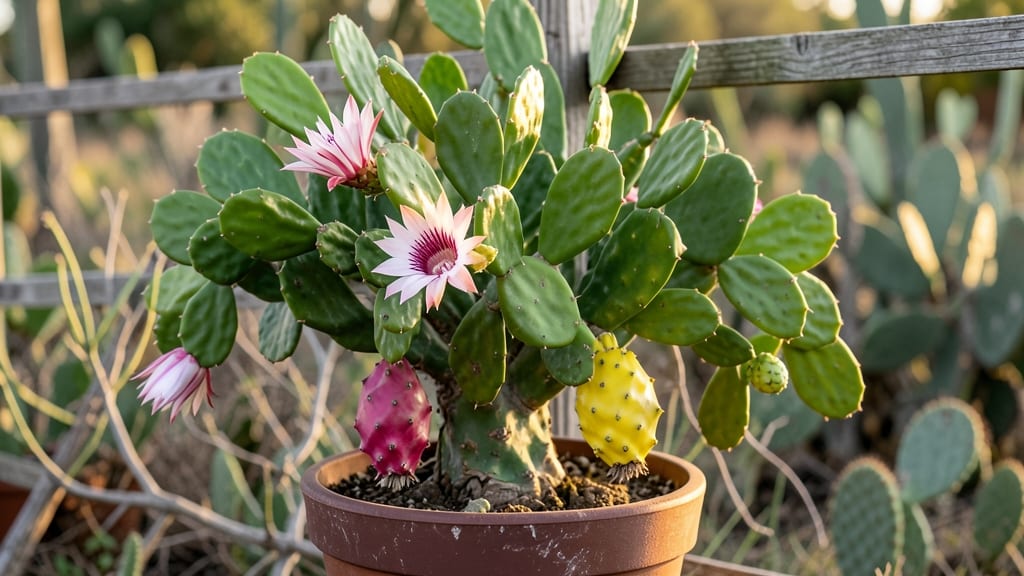
Dragon fruit does come from a cactus—but not the kind you’d picture with spines and prickles. 🌵 The vibrant fruit we love grows on climbing cacti in the Hylocereus genus, native to Central and South America’s rainforests, where they thrive in warm, humid conditions.
These cacti aren’t your typical desert plants; they’re epiphytes, clinging to trees or fences in their natural habitat.
The confusion comes from their appearance: dragon fruit cacti have ribbed, green stems and produce stunning night-blooming flowers that attract bats and moths for pollination.
Unlike desert cacti, they need consistent moisture and partial shade, making them perfect for gardeners in zones 10-11—or as houseplants in cooler climates with bright light.
Knowing this helps you grow them right: use well-draining soil, provide support for their vines, and mimic their tropical home’s humidity. With the right care, you’ll get those sweet, kiwi-like fruits bursting with color and crunch—proof that cacti can be both exotic and edible.
Bonus tip: Prune old growth in spring to encourage new, fruit-bearing stems. Whether you’re growing them for fruit or just their striking foliage, these cacti are a conversation starter—and a delicious one at that.
📚 In This Guide
- What you need
- Instructions
- Tips and common mistakes
- Wrapping up and next steps
What you need
- ● Dragon fruit plant: A healthy Hylocereus species (e.g., Hylocereus undatus or Hylocereus costaricensis)—potted or from a nursery. (1 plant)
- ● Well-draining soil mix: Cactus/succulent blend (e.g., 50% potting soil + 50% perlite/pumice). (2-3 gallons)
- ● Pot with drainage holes: 12–16" diameter for mature plants. (1 pot)
- ● Pruning shears or knife: Sterilized, sharp tool for cuttings. (1)
- ○ Rooting hormone (optional): Powder or gel to boost cutting success. (1 small bottle)
- ○ Seeds (optional):strong> Fresh, viable dragon fruit seeds (from a ripe fruit). (5–10 seeds)
- ● Spray bottle: For misting cuttings. (1)
- ● Gloves: To protect hands from thorns. (1 pair)
- ● Watering can or hose: With a gentle spray nozzle. (1)
- ● Sunlight access: Bright, indirect light (6+ hours/day) or a grow light. (Required)
- ○ Humidity tray (optional): For tropical-like conditions. (1)
- ● Fertilizer (balanced, 10-10-10): Diluted to half-strength. (1 bottle)
- ● Patience!: Dragon fruit plants take 2–3 years to bear fruit. (😅)
- ● 🌡️ Keep soil slightly moist but never soggy—root rot is a foe!
- ● ✨ Use cactus soil to mimic its desert origins (even though it’s tropical!).
- ● 🎯 If starting from seeds, soak them overnight to boost germination.
How dragon fruit connects to cacti: a botanical breakdown
Dragon fruit isn’t from a cactus, but it grows on one of the closest relatives—here’s how to spot the difference.
🌵 Step 1: Identify the Host Plant’s True Nature
The dragon fruit (Hylocereus undatus) grows on a night-blooming cactus called a pitaya, part of the Cereus genus. These plants have ribbed, green stems and are native to Central America, not deserts. Unlike desert cacti, pitayas thrive in tropical climates with high humidity and well-draining soil.
Look for the epiphytic roots that cling to trees in the wild—a trait shared with orchids, not traditional cacti. These roots help the plant absorb moisture and nutrients from the air and bark, a key adaptation for its rainforest origins.
🌱 Step 2: Compare Dragon Fruit to Desert Cacti
Dragon fruit’s cactus relatives lack the thick, water-storing stems of desert cacti like saguaro or prickly pear. Instead, pitayas have flat, paddle-like pads that store minimal water. Their spines are soft and hair-like, not the sharp barbs of desert species.
The fruit itself is the real giveaway: a vibrant pink or yellow rind with leathery skin and a texture closer to kiwi than a cactus fruit. Inside, the flesh is speckled with tiny black seeds—nothing like the dry, fibrous pulp of true desert cacti.
☀️ Step 3: Understand the Cactus Family Tree
Dragon fruit’s cactus connection is a matter of botanical classification. The Cactaceae family includes over 2,000 species, from desert giants to epiphytic climbers. Pitayas belong to the night-blooming cactus subfamily, which evolved to thrive in tropical conditions rather than arid ones.
Here’s the key distinction: desert cacti (e.g., Opuntia, Ferocactus) store water in their stems, while pitayas rely on shallow, fibrous roots and epiphytic growth. This adaptation lets them survive in humid, shaded environments where traditional cacti would wither.
💧 Step 4: Grow Dragon Fruit from Cactus Cuttings
If you’re curious to grow your own, start with a 3–4 inch cutting from a healthy pitaya stem. Let the cut end callus over for 2–3 days before planting in well-draining cactus mix. Water lightly—only when the soil is completely dry—to mimic its natural moisture preferences.
Place the cutting in bright, indirect light (no harsh midday sun) and maintain 70–85°F temperatures. After 4–6 weeks, roots will form, and you’ll see new growth—proof of its cactus roots without the desert adaptations.
✂️ Step 5: Harvest and Enjoy the Non-Desert Cactus Fruit
Dragon fruit ripens on the plant, turning from green to its signature pink or yellow hue. Gently twist the fruit from the stem—it should detach easily when ripe. The flesh is mild, slightly sweet, and packed with antioxidants, making it a tropical cactus hybrid unlike any desert-dwelling relative.
Slice open the fruit to reveal its marbled interior: a cross between a kiwi’s texture and a pear’s sweetness. The seeds are edible and add a fun crunch, proving this cactus isn’t just visually striking—it’s delicious too.
Tips & tricks for understanding dragon fruit's cactus origins
Here's what nobody tells you about the fascinating botanical connections between dragon fruit and cacti.
Botanical Classification: The key to understanding dragon fruit's cactus connection lies in its scientific name, Hylocereus undatus. This places it firmly within the Cereus genus of night-blooming cacti. What makes pitayas unique is their adaptation to tropical climates rather than arid deserts. Look for those distinctive ribbed stems and soft, hair-like spines—these are your visual clues that you're dealing with a cactus relative, not a desert dweller.
Growth Environment: In Step 4, when growing your own dragon fruit from cuttings, remember that pitayas thrive in bright, indirect light and 70–85°F temperatures. The critical detail here is the well-draining cactus mix—this mimics their natural epiphytic growth habits where they would cling to trees in rainforest environments. Unlike desert cacti, these plants need consistent moisture but excellent drainage to prevent rot.
Visual Identification: The fruit itself is the most obvious giveaway that dragon fruit comes from a cactus relative rather than a true desert cactus. In Step 2, notice the leathery skin and vibrant pink or yellow hues—these are completely different from the dry, fibrous pulp of desert cactus fruits. The marbled interior with tiny black seeds is another distinctive trait that sets dragon fruit apart from its desert-dwelling cousins.
Cultural Adaptations: What makes pitayas so interesting is their evolutionary adaptation to tropical environments. The epiphytic roots mentioned in Step 1 are a game-changer—they allow the plant to absorb moisture from the air and bark, a trait shared with orchids. This adaptation explains why you'll never find pitayas thriving in true desert conditions, despite their cactus classification.
Pro Tips for Does Dragon Fruit Come From A Cactus
- Here's what nobody tells you about the fascinating botanical connections between dragon fruit and cacti.
- Botanical Classification: The key to understanding dragon fruit's cactus connection lies in its scientific name, Hylocereus undatus.
- Growth Environment: In Step 4, when growing your own dragon fruit from cuttings, remember that pitayas thrive in bright, indirect light and 70–85°F temperatures.
Frequently asked questions
Got questions about dragon fruit’s cactus connection? Here are some of the most common ones—and their answers!
Is dragon fruit really related to cacti?
Yes! Dragon fruit (or pitaya) comes from the Hylocereus genus, a type of night-blooming cactus native to Central and South America. While it doesn’t look like a typical cactus, its origins are 100% cactus-based. The fruit grows on climbing cactus vines and has a spiky exterior when young.
Why does dragon fruit look so different from other cactus fruits?
Dragon fruit’s unique appearance comes from its tropical adaptations. Unlike desert cacti (like prickly pear), Hylocereus thrives in humid climates. Its vibrant pink or yellow skin and sweet, seedy flesh are results of evolution to attract bats and birds—its primary pollinators—rather than surviving harsh desert conditions.
How long does it take for a dragon fruit cactus to produce fruit?
Patience is key! A healthy dragon fruit cactus typically takes 18–36 months to bear fruit after planting. Factors like sunlight, soil quality, and pollination (often by bats or hand-pollination) can speed up or delay fruiting. In tropical climates, you might see fruit sooner.
Can I grow dragon fruit from a store-bought fruit?
The seeds inside dragon fruit are viable. Rinse them, dry them, and plant them in well-draining soil. Keep them moist but not soggy, and place them in bright, indirect light. Germination can take 2–4 weeks, but success rates vary—some seeds sprout faster than others.
What’s the best way to eat dragon fruit if I can’t find fresh?
No fresh dragon fruit? No problem! Try these alternatives:
- Frozen slices: Perfect for smoothies or overnight oats.
- Powdered supplements: Some brands offer freeze-dried dragon fruit powder for baking or drinks.
- Canned or jarred versions: Look for options with minimal added sugar.
- Substitute with kiwi or mango: For a similar tropical sweetness in recipes.
Why did my dragon fruit cactus stop blooming?
Common culprits include:
- Lack of sunlight: Dragon fruit cacti need 6+ hours of direct light daily.
- Overwatering: Let soil dry out between waterings to prevent root rot.
- Nutrient deficiency: Feed with a balanced fertilizer (like 10-10-10) every 2–3 months.
- Temperature stress: Keep it in 60–90°F (15–32°C) ranges.
Wrapping up and next steps
So, does dragon fruit come from a cactus? The answer is a resounding yes! 🌵 This vibrant fruit is the delicious reward of the Hylocereus cactus, thriving in tropical climates and offering both beauty and nutrition.
Whether you're growing it yourself or simply curious about its origins, you now know the fascinating truth behind this exotic treat.
Ready to explore more? Try growing your own dragon fruit plant—it’s easier than you think! Start with a cutting, provide the right care, and soon you’ll be harvesting your own pitaya straight from a cactus. Happy gardening! 🌱✨