
Propagation
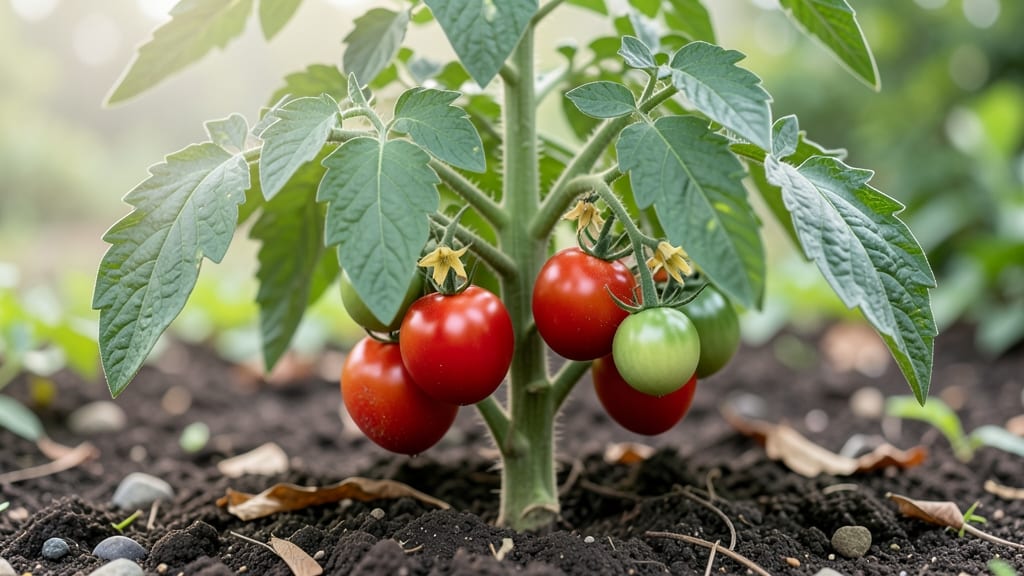
Fruits containing seeds that develop alongside them typically include berries, citrus varieties, and stone fruits, where the seed remains enclosed until fully mature. Common examples are apples, peaches, and tomatoes, as the fruit structure safeguards the seed until environmental conditions are optimal for germination.
These fruit-enclosed seeds rely on their fleshy surroundings for survival, as the fruit often attracts animals that aid in seed dispersal while providing moisture and nutrients. 🌱 For instance, citrus fruits like oranges protect their seeds until they're ready to germinate, while stone fruits such as cherries use their hard pits to shield the seed inside.
Understanding this relationship helps gardeners determine the best way to extract and plant these seeds for successful propagation.
When working with seeds that grow inside fruit, timing is everything. The fleshy exterior often needs to decompose or be removed before planting, but rushing this process can damage the seed's viability.
I've found that soaking citrus seeds in warm water for 24 hours before planting significantly improves germination rates, while stone fruit seeds often require stratification—a cold treatment—to break dormancy.
💡 In This Article
- How Fruit Protects Seeds for Germination
- Best Practices for Extracting and Planting Fruit Seeds
How fruit protects seeds for germination
The fleshy fruit surrounding seeds isn't just packaging—it's a sophisticated survival system. Fruits like berries and citrus contain high moisture levels (often 80-90% water content), creating a protected microclimate that prevents seeds from drying out during their critical early stages.
This moisture retention is vital because most seeds need 40-60% humidity to begin germination, and the fruit maintains these conditions even in dry environments. 🌿
The fruit's texture and chemistry also play key roles. For example, stone fruits like peaches have a hard pit that shields the seed from physical damage while the outer flesh attracts animals for dispersal.
Citrus fruits, with their bright colors and sweet-tart flavor, are designed to be eaten—animals then disperse the seeds through their digestive systems, often in nutrient-rich fertilizer. This animal-mediated transport increases the seeds' chances of finding suitable soil conditions.
Nutrient provision is another critical function. Fruits contain sugars, vitamins, and enzymes that can stimulate seed germination. Take tomatoes as an example: their gel-like seed coating contains gibberellins, a plant hormone that triggers germination.
When you plant tomato seeds, this natural hormone system is already primed to activate once moisture and warmth are present. The fruit essentially acts as a built-in fertilizer and growth stimulant.
Seasonal timing is hardwired into this system too. Most fleshy fruits ripen during warm seasons when germination conditions are optimal—typically 60-85°F for most temperate climate seeds. The fruit's softening and color changes signal both animals and gardeners that the seeds inside are ready for dispersal or planting.
This synchronization between fruit ripening and environmental conditions maximizes survival rates.
Consider the contrast between fruit-enclosed seeds and those in dry pods. While legume seeds (like peas) rely on hard shells to protect against desiccation, fruit-enclosed seeds use moisture retention and nutrient provision to achieve the same goal through a different strategy.
This dual approach explains why you'll find fruit-enclosed seeds in such diverse plants—from tropical citrus to temperate apples. 🍎
One fascinating exception is the fig, where the fruit itself contains tiny seeds that germinate while still inside the fig's structure. This unique relationship demonstrates how some fruits have evolved to protect seeds through multiple layers of adaptation.
The fig's internal environment maintains ideal conditions for germination until the seedling is strong enough to emerge.