
Trees
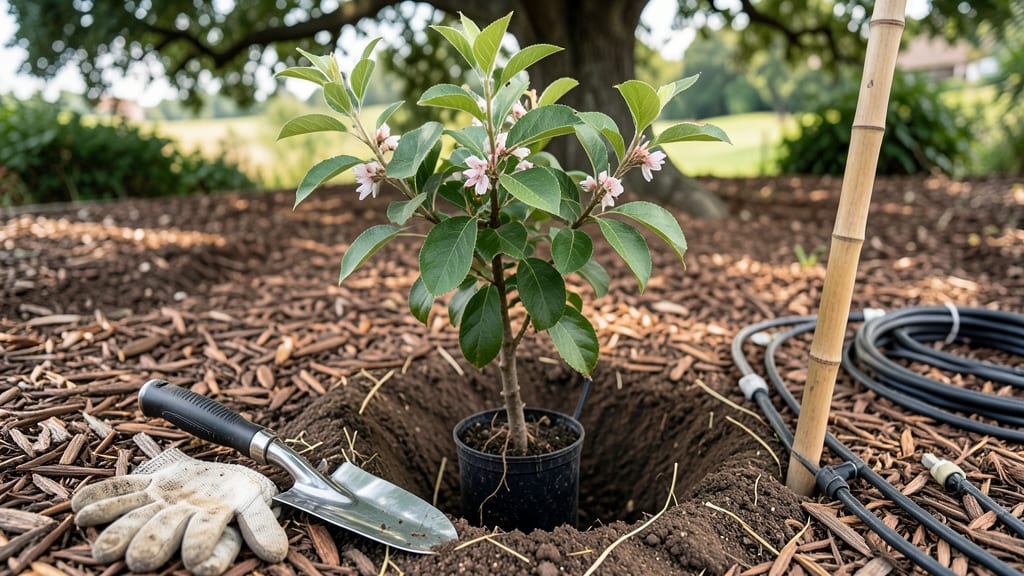
Planting fruit trees 🍎 in North Texas at the right time means the difference between a thriving orchard and a sad pile of frost-killed saplings.
North Texas gardeners know timing is everything—plant too early, and frost will kill them; too late, and they won’t bear fruit in time. But with the right chill-hour chart and frost-free window guide, you can maximize your harvest and avoid costly mistakes.
Here’s the key: most fruit trees need to go in the ground between late February and early March, when soil temperatures rise above 50°F and the risk of hard freezes drops. That’s when you’ll find the sweet spot between dormancy and bud break.
In this guide, I’ll break down the exact planting windows for peaches, plums, apples, and citrus—plus how to adjust for your specific North Texas microclimate, whether you’re in Dallas, Fort Worth, or Waco.
North Texas chill-hour requirements by fruit tree type
North Texas gardeners face a unique challenge: our USDA Zones 7b–8a offer warm winters, but many fruit trees still need chill hours to produce fruit. Chill hours are the number of hours below 45°F (7°C) a tree needs to break dormancy and fruit properly.
Without enough, your peaches, plums, and apples may bloom but fail to set fruit—or worse, never bear at all.
Most of North Texas sits in the 300–1,000 chill-hour range, which limits our options but doesn’t rule out fruit trees entirely. The key is selecting low-chill varieties or adjusting planting strategies to match your microclimate.
Urban areas like Dallas and Fort Worth often experience heat islands, reducing chill hours further, while rural spots near Waco or Temple may have slightly cooler nights.
Below is a chill-hour breakdown for popular fruit trees, along with notes on how they perform in North Texas’ variable climate. Use this as your guide to pick the right varieties and planting windows for your yard.
If you’re in a heat island (like downtown Dallas), your chill hours could drop by 100–200 hours compared to rural areas. To compensate, choose low-chill varieties or plant near reflective surfaces like light-colored walls or pavers to reduce heat absorption.
For example, a Santa Rosa plum (200–300 chill hours) will likely outperform a standard Elberta peach (600+ chill hours) in an urban yard.
Another trick? Plant dwarf or semi-dwarf trees near evergreen windbreaks (like cedar hedges) to create a cooler microclimate. These trees also fruit earlier, giving them a better chance to avoid late spring frosts, which are common in North Texas through mid-April.
Always check the Texas A&M AgriLife Extension for your county’s specific frost dates—Dallas often sees its last frost by March 15, while Waco can extend into early April.
For container-grown fruit trees, like figs or dwarf citrus, you have even more flexibility. These can be moved to shadier spots in summer or brought indoors during extreme heat waves.
Just ensure your containers have drainage holes and use a well-draining potting mix to prevent root rot in our clay-heavy soils.
Pro tip: If you’re unsure about chill hours in your specific yard, invest in a digital weather station or use the Texas A&M AgriLife app to track your local conditions. Over time, you’ll learn how your microclimate affects your fruit trees—and adjust your planting strategy accordingly.
Remember, even with the right chill hours, proper planting timing is critical. Bare-root trees should go in the ground 4–
Best planting windows for North Texas fruit trees (with frost risk dates)
North Texas' unpredictable spring frosts can turn your fruit tree dreams into a frozen nightmare. The key to success? Planting within your local frost-free window—a 10-day buffer after the average last frost date.
For most of North Texas (USDA zones 7b-8a), this means waiting until mid-to-late March, but urban areas like Dallas may need to push it to early April due to heat islands.
Bare-root trees are most vulnerable—plant them too early, and frost will damage emerging roots. Container-grown trees offer more flexibility but still need soil temperatures above 50°F to thrive. Use a soil thermometer to check before planting; if temps dip below 45°F, wait another week.
✅ North Texas Fruit Tree Planting Timeline
- Step 1: Check your county’s last frost date (e.g., March 15 in Dallas, March 22 in Waco). Add a 10-day buffer for safety.
- Step 2: Test soil temperature—wait until it’s consistently 50°F+ for 5+ days.
- Step 3: Plant bare-root trees in late February–early March (before bud break) or November–December (dormant season).
- Step 4: Plant container-grown trees anytime soil is workable (March–May or September–October for fall planting).
- Step 5: Mulch heavily (3–4 inches) to protect roots from temperature swings and retain moisture.
For low-chill varieties like figs or loquats, you can plant as early as February, but most stone fruits (peaches, plums) need 300–800 chill hours. Use Texas A&M’s chill-hour calculator to match your tree to your microclimate.
Urban areas often have fewer chill hours due to heat, so opt for ‘Redhaven’ peaches (400 hours) over ‘Elberta’ (800 hours).
Pro tip: If you’re in North Texas’ panhandle region (e.g., Lubbock), push planting to mid-April—frosts linger later there. Always monitor the National Weather Service’s frost predictions for your county. A frost cloth can buy you 2–3 extra weeks of planting time if needed.
Container-grown trees are your best bet for late plantings (May–June), but they’ll need extra watering and shade cloth during North Texas’ brutal summer. Dwarf varieties like ‘Seminole’ sweet orange adapt better to container life and can handle urban heat with proper care.
Remember: Fall planting (September–October) is ideal for bare-root trees—cooler temps mean less transplant shock. Just avoid planting after November 15, when first frosts typically arrive. With the right timing, your fruit trees will thrive—and you’ll be enjoying homegrown peaches by July! 🍑